
How to Cut Your Energy Bill This Winter: 12 Proven Ways
How to cut your energy bill this winter with 12 proven measures: tariff checks, smarter heating, draught-proofing, cheap gadgets and the support schemes.
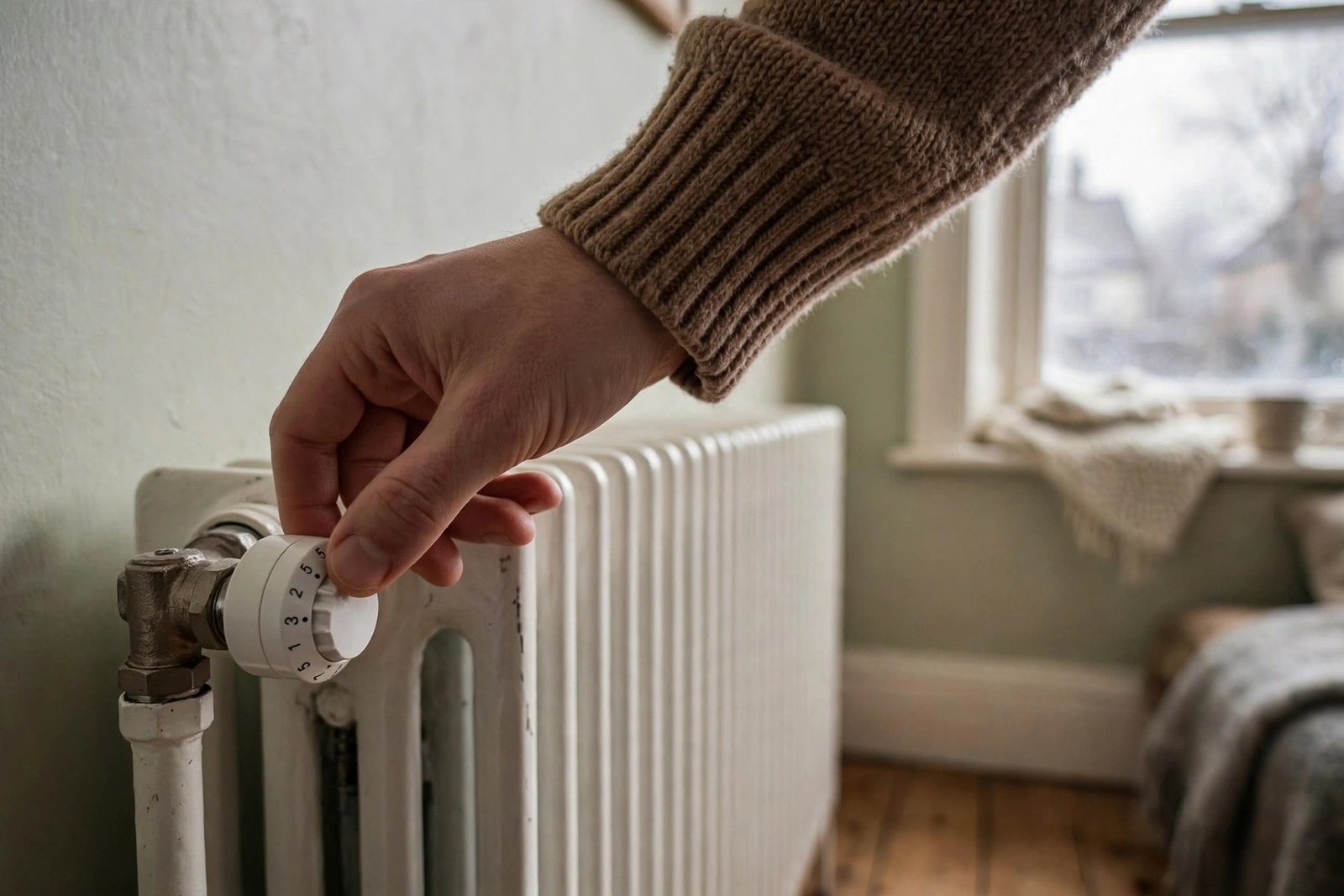
Every winter the same ritual plays out: the first proper cold snap arrives, the heating goes on, and a month later a bill lands that makes you question every life choice. Energy costs remain one of the biggest squeezes on London household budgets, and with the price cap moving around, many people feel powerless. You are not. A combination of quick wins, smarter heating habits and a few targeted upgrades can cut a typical winter energy bill by hundreds of pounds — without living in a coat indoors.
This guide sticks to what works in real London homes: Victorian conversions, draughty flats, busy households. The measures are ordered by impact per pound, so start at the top and work down as far as your budget and patience allow.
First, Make Sure You Are Not Overpaying
Before you change a single habit, check the bill itself. Are you on the cheapest tariff your supplier offers? The price cap gets the headlines, but suppliers still sell fixed deals that can beat it — especially if you are willing to fix for a year. Comparison sites take minutes, and the saving for switching from a poor-value variable deal can exceed £200 a year. Also check you are not in debt to your supplier without realising, and that your direct debit reflects actual usage rather than an inflated estimate.
Then submit regular meter readings, or get a smart meter if you do not have one. Estimated bills are wrong with impressive frequency, and smart meters at least show you in real time what the tumble dryer is costing you. If money is genuinely tight, talk to your supplier before you fall behind — they have obligations to offer payment plans, and schemes like the Warm Home Discount (£150 off electricity bills for eligible households) exist precisely for this. Ofgem‘s website lists current support schemes and your rights if you are struggling to pay.
Heat the Person, Then the Room, Then the House
The single biggest lever is how you heat. Most people heat empty rooms, overheat occupied ones, and run the boiler far hotter than needed. Fix the hierarchy: turn down thermostatic radiator valves in unused rooms, set the main thermostat to 18–20°C rather than 22°C+ (each degree higher adds roughly 10% to heating costs), and put the heating on a timer that matches your actual schedule instead of running all evening “just in case”.
Two technical tweaks punch above their weight. Bleed radiators so heat reaches the whole panel — cold tops mean trapped air is wasting energy. And if you have a combi boiler, check the flow temperature: many run at 75–80°C when 60°C heats radiators nearly as well while letting a condensing boiler actually condense, which is where its efficiency comes from. Your boiler manual or a quick search for your model will show you how. Renters can do all of this without permission — and if you are in a rented flat, there is a whole extra layer of savings in learning how to reduce energy bills this winter as a renter, from draught-proofing to knowing what your landlord must fix.
Kill the Draughts (The Cheapest Big Win)
Draught-proofing remains the best value energy measure in Britain: cheap, DIY-friendly, and effective immediately. Self-adhesive strips around window frames and doors, brush seals under external doors, and chimney balloons for unused fireplaces (an open chimney is essentially a hole in your house) can save a typical household £50–£85 a year according to the Energy Saving Trust, with materials costing less than one takeaway dinner.
Do not forget the letterbox, the loft hatch and keyholes on external doors — small gaps add up to the equivalent of an open window. And heavy curtains, closed at dusk and tucked behind radiators rather than hanging over them, cut window heat loss dramatically. These are afternoon jobs, not projects.
Upgrade the Gadgets That Earn Their Keep
Some purchases pay for themselves fast. A smart thermostat or even a basic programmable timer stops you heating an empty flat — worth investigating properly via whether a smart thermostat is worth it in a UK home, since the savings depend on your schedule. LED bulbs use a fraction of the energy of old halogens. A heated airer replaces tumble-dryer sessions that cost 60p–£1 a pop. And an electric blanket or heated throw — pennies per hour to run — lets you keep the thermostat a degree or two lower in the evening, which is where the real money is.
For bigger upgrades, check what help exists before spending: the Great British Insulation Scheme and ECO4 can fund insulation and heating improvements for eligible households, and your council may have local grants. The government’s energy efficiency guidance is the authoritative starting point for what is available.
The Habits That Compound All Winter
Finally, the free stuff. Shorter showers and a low-flow shower head cut hot water costs. Only boil the water you need — the kettle is one of the hungriest small appliances in the kitchen. Wash at 30°C, run full loads, and dry clothes on an airer rather than radiators (which blocks heat and breeds damp). Turn things off at the wall instead of leaving them on standby. None of these is dramatic alone; together, across a whole winter, they are the difference between a bill that stings and a bill that shocks.
Conclusion
Cutting your energy bill this winter is not one big decision — it is a dozen small ones. Check your tariff, heat only the rooms you use, draught-proof the gaps, bleed the radiators, and let a few cheap gadgets do the heavy lifting. Start with the free and nearly-free measures this weekend; they deliver the fastest payback. Then look at the bigger upgrades and the support schemes that help pay for them. Winter is coming whether you prepare or not — but the bill at the end of it is, to a surprising degree, up to you.
Frequently Asked Questions
What is the cheapest way to heat a home in the UK?
For most homes, a gas boiler run efficiently (lower flow temperature, TRVs, good controls) remains cheapest per unit of heat. But the cheapest heat of all is the heat you do not lose — draught-proofing and insulation beat any heating system upgrade on value.
Does turning the thermostat down 1 degree really save money?
Yes — roughly 10% of your heating bill per degree, according to the Energy Saving Trust. Dropping from 21°C to 19°C is barely noticeable with a jumper but very noticeable on the bill.
Are heated airers cheaper than tumble dryers?
Enormously. A heated airer typically costs 10–20p per hour to run versus 60p–£1+ for a tumble dryer cycle, and it dries a full load overnight.
What help is available if I cannot afford my energy bills?
The Warm Home Discount gives eligible households £150 off electricity, suppliers must offer payment plans, and schemes like ECO4 and the Great British Insulation Scheme fund efficiency upgrades. Contact your supplier or Citizens Advice early rather than falling into arrears.
Should I fix my energy tariff or stay on the variable rate?
It depends on the market at the time. Compare the cheapest fixed deals against the current price cap — if a fix is meaningfully cheaper and you value certainty, fixing for 12 months is usually sensible. Never pay an exit fee to chase a marginal saving.