
How to Make a Rented Flat More Energy Efficient (Without Losing Your Deposit)
How to make a rented flat more energy efficient without risking your deposit: draught-proofing, smart heating habits, LED bulbs and what landlords must fix.
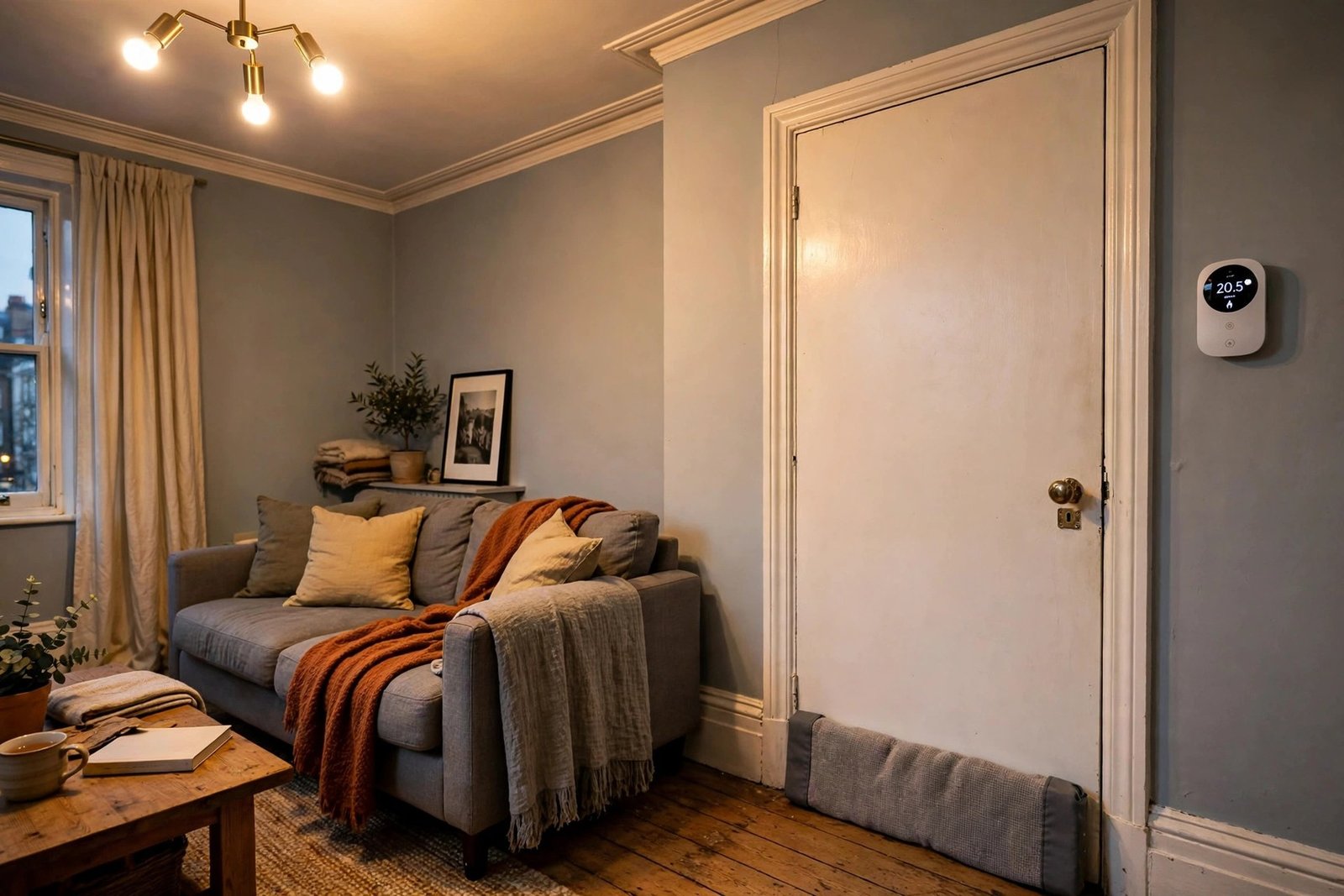
Renting in London comes with a special kind of helplessness: you are paying a fortune for the flat, the heating bills are brutal, and every energy-saving upgrade seems to require drilling holes in a wall you do not own. Landlords rarely volunteer improvements, and most tenants assume there is nothing they can do beyond wearing an extra jumper. That assumption is wrong. There is a surprising amount you can change in a rented flat without touching the structure — and with energy prices still biting in 2026, the savings are worth chasing.
This guide covers the renter-friendly upgrades that actually move the needle, from five-minute draught fixes to the gadgets worth buying, plus what your landlord is legally obliged to do. Everything here is removable, reversible, or explicitly allowed — so you keep your deposit and cut your bills.
Know Your Starting Point: The EPC and Your Rights
Every rented home in England needs an Energy Performance Certificate, and since 2020 landlords have been required to meet a minimum EPC rating of E before letting a property (with limited exemptions). Ask your landlord or agent for the EPC — you can also look it up free on the government’s EPC register. If the rating is F or G and no exemption is registered, the landlord is letting the property illegally.
Why does this matter for your bills? An EPC tells you where the heat is escaping: solid walls with no insulation, an ancient boiler, single glazing. You cannot fix those yourself, but the EPC gives you evidence to request improvements — and it tells you which renter-friendly measures will help most. The official EPC register is the place to start, and gov.uk’s guidance on minimum efficiency standards spells out exactly what landlords must do.
Stop the Heat Escaping: Draughts and Windows
Draughts are the tenant’s number one enemy. A gap around a front door or a rattling sash window can feel like leaving a window open all winter. The fixes are cheap and removable: self-adhesive foam draught strips for window frames, brush strips for the bottom of doors, and a simple draught excluder sausage for the front door. A £15 kit from a hardware shop can cut the chill noticeably in a single afternoon.
For windows, secondary glazing film — the clear shrink-wrap kind you fix with a hairdryer — adds a surprisingly effective extra layer over single glazing and peels off cleanly when you leave. Heavy thermal curtains are another renter classic: they can halve heat loss through a window at night, and you take them with you. If condensation is pooling on the sills each morning, that is worth addressing too — learning how to stop condensation on windows in winter protects both your health and your deposit, since mould from condensation is one of the most common deposit disputes in London.
Heat Smarter, Not Harder
Most renters heat the whole flat to warm one room. Stop. Turn down radiators in rooms you barely use with the thermostatic valves (TRVs) — most rented flats have them, and many tenants have never touched them. If your flat has a portable smart thermostat you can take with you, even better: heating on a schedule that matches your life rather than blasting all evening can cut usage dramatically. Renters who want the numbers should read how much a smart thermostat can save each year before deciding whether the gadget is worth the outlay.
Bleed your radiators too. Cold spots at the top of a radiator mean trapped air is stopping it working properly, and a £1 radiator key plus ten minutes fixes it. It is basic maintenance, not an alteration, so no landlord permission is needed. The same goes for turning the boiler flow temperature down slightly — many combi boilers run far hotter than necessary, and a small adjustment can trim gas use without any noticeable difference in comfort.
The Gadgets and Habits Worth Your Money
Beyond the building fabric, your habits and a few portable gadgets do the heavy lifting:
LED bulbs everywhere. If the flat still has halogen spotlights, swapping them for LEDs cuts lighting energy by up to 80%. Take your LEDs with you when you leave and pop the old bulbs back in.
A heated airer instead of the tumble dryer. Tumble dryers are among the hungriest appliances in any home. A heated clothes airer uses a fraction of the electricity and dries a load overnight — a lifesaver in flats with no outdoor space.
Smart plugs for standby vampires. TVs, consoles and chargers sip power all day. A couple of smart plugs on a schedule kill standby drain with zero effort.
Shower, don’t bathe. A ten-minute power shower can use as much hot water as a bath. A £10 low-flow shower head (keep the original to refit when you leave) cuts hot water use without ruining the pressure.
What to Ask Your Landlord to Fix
Some jobs are legally the landlord’s. Under the Homes (Fitness for Human Habitation) Act, your home must be fit to live in — which includes being free from serious damp, and having adequate heating. A boiler that barely works, windows that do not close, or an EPC below E are all grounds for a formal written request for repairs. Put it in writing, keep copies, and give a reasonable deadline. If the landlord ignores serious issues, your council’s environmental health team can intervene — and tenants have stronger retaliatory-eviction protections than many realise. For the full picture on repair rights, Citizens Advice has excellent step-by-step guidance for renters in England.
Conclusion
You cannot rebuild a rented flat, but you can absolutely make it cheaper to run. Draught-proof the gaps, curtain the windows, heat only the rooms you use, bleed the radiators, swap the bulbs, and ditch the tumble dryer. Each step is cheap, reversible and deposit-safe — and together they can shave a meaningful chunk off winter bills while making the flat genuinely more comfortable. Check the EPC, know your rights, and do not be shy about asking the landlord to fix what is legally theirs to fix. The worst they can say is no; the best case is a warmer flat and lower bills.
Frequently Asked Questions
Can I install a smart thermostat in a rented flat?
Portable smart thermostats that do not require rewiring are usually fine, and you take them when you leave. Anything involving the boiler’s wiring needs the landlord’s written permission — ask, as many agree since it protects their property too.
What is the minimum EPC rating for a rental in England?
Since April 2020, landlords must achieve at least an E rating before letting a property, unless a valid exemption is registered. Ratings of F or G without an exemption mean the let may be unlawful.
Will secondary glazing film damage the windows?
No — the film attaches with double-sided tape to the frame and peels away cleanly. It is one of the most renter-safe insulation upgrades available and noticeably cuts draughts from single glazing.
How much can draught-proofing save?
The Energy Saving Trust estimates that draught-proofing windows, doors and other gaps can save a typical household around £50–£85 a year, with the materials often paying for themselves in a single winter.
Can my landlord refuse energy efficiency improvements?
For minor reversible measures like draught strips and curtains, you do not need permission. For anything fixed — insulation, new heating controls — you need written consent, which the landlord cannot unreasonably withhold for energy improvements in many cases. Always ask in writing.