
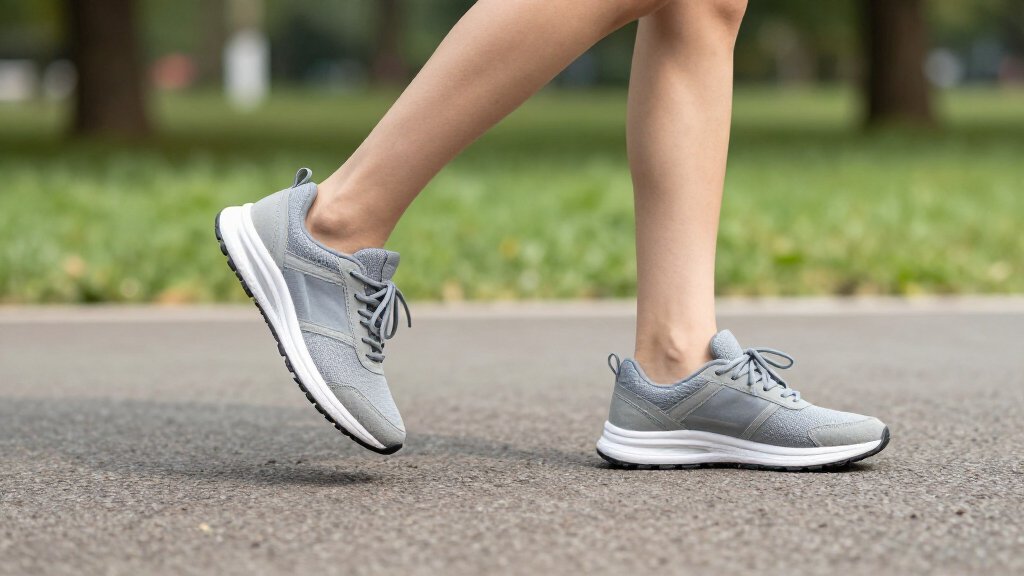
What Trainers Are Best for Walking All Day in London?
What Trainers Are Best for Walking All Day in London?
London is a walking city — the average Londoner on a busy day can easily clock 12,000–15,000 steps pounding pavements, dashing for trains, and standing on hard station floors. Your feet know about it by 6pm. I walked myself into a proper foot injury in fashionable-but-flat trainers before learning what actually matters in an all-day walking shoe. If “what trainers are best for walking all day in london” is the question you’ve been asking, here’s the straight answer — practical, honest, and based on what actually works.
This guide covers what makes a trainer genuinely walkable all day, the best picks at each price point in 2026, and the fit mistakes that ruin even good shoes. Because in London, your trainers are load-bearing infrastructure.
What makes a trainer good for all-day walking
Cushioning with support — not just softness. Pillowy-soft shoes without structure feel great for an hour then leave feet aching; the best walking trainers combine responsive cushioning (which returns energy) with arch support and a stable heel counter. Look for terms like “daily trainer” or “max cushion” from running brands — running shoes make the best walking shoes because they’re engineered for thousands of footstrikes.
Fit specifics: thumb’s width (1–1.5cm) between longest toe and shoe end; no heel slip; enough width that toes can splay (feet swell through the day — try shoes on in the afternoon); secure midfoot without pressure points. Removable insoles matter if you use orthotics. And weight: lighter shoes reduce fatigue over 15,000 steps — every 100g per shoe is noticeable by evening.
The outsole needs to handle London surfaces: wet pavements, station tiles, the occasional cobble. Look for decent rubber coverage (not exposed foam, which wears fast and slips) and some grip pattern. Waterproof versions (Gore-Tex liners) are worth considering for winter — wet socks end walking days early. Rotate two pairs if you walk daily: shoes need 24 hours to decompress, and rotation doubles each pair’s life.
Best picks by price (2026)
Budget (£50–£80): Skechers Go Walk / Arch Fit range — the comfort reputation is deserved, especially for wider feet; not fashionable, undeniably comfortable. Also Decathlon’s in-house walking shoes (£35–£55) — shockingly good for the price. At this tier, prioritise fit over brand.
Mid-range (£80–£130): the sweet spot. New Balance 1080 or 880 — the classic all-day comfort shoe, comes in widths, looks fine with everything. Brooks Ghost — the running-shop default for good reason: balanced cushioning, reliable fit. Hoka Clifton or Bondi — maximal cushioning that converts sceptics; slightly chunky look, cloud-like feel. Asics Gel-Nimbus or Cumulus — excellent for narrower feet.
Premium (£130–£180): Hoka Bondi 8 / Gaviota (stability), On Cloudmonster or Cloudsurfer (responsive, stylish enough for the office), Brooks Glycerin. The gains over mid-range are marginal for most walkers — buy premium for specific needs (stability features, waterproofing, wide fittings) rather than general comfort. Honestly, a £110 Brooks or New Balance fits 90% of all-day walkers perfectly.
- Budget £50–£80: Skechers Arch Fit, Decathlon walking range
- Mid-range £80–£130: New Balance 1080/880, Brooks Ghost, Hoka Clifton
- Premium £130–£180: Hoka Bondi, On Cloudmonster, Brooks Glycerin
- Always: try on in the afternoon, thumb’s width at the toe
Fit mistakes that ruin good trainers
Buying too small is the classic — feet swell 5–10% through a walking day, and shoes fitted snug in the morning become instruments of torture by evening. Always try on in the afternoon, wearing your normal walking socks. Walk around the shop for five minutes, not thirty seconds; use the stairs if there are any.
Ignoring width: most brands do wide (2E) and narrow options online even if shops stock only standard — if standard width pinches, don’t “break them in,” buy the wide. Lacing matters: heel lock lacing (using the extra eyelet) prevents heel slip without overtightening; skipping an eyelet over a pressure point relieves hotspots. And replace them on time: walking trainers last 500–800km (roughly 6–12 months of heavy London use) — worn cushioning looks fine but stops protecting, which is when knees and feet start complaining.
Break in gradually: even perfect shoes need a few shorter outings before a 15,000-step day. New-shoe blisters on a long London day are miserable and avoidable. Keep plasters in your bag regardless — even veterans get the occasional hotspot. For heel-specific pain issues, see breaking in heels; for the shoe-count question, minimalist shoe wardrobes.
Style vs comfort: the London compromise
The good news: chunky “dad” trainers and retro runners are fashionable, so comfort no longer means frumpy. White leather trainers (Common Projects style, or affordable versions) work for smart-casual offices; knit runners suit casual days. Keep a pair of smarter shoes at the office if your workplace is formal — commute in walkers, change at your desk. Half of London does this; the under-desk shoe collection is a recognised phenomenon.
Care: rotate pairs, use a shoe horn (protects the heel counter), clean knit uppers with a soft brush, and don’t machine wash unless the brand says so (it degrades cushioning adhesives). Waterproof spray (£8) on non-Gore-Tex pairs for winter. And socks matter as much as shoes for all-day comfort: proper walking socks (£8–£12, merino or technical synthetic) prevent blisters far better than cotton, which holds moisture. The shoe gets the credit; the sock does half the work.
Walking shoes vs running shoes: what’s the difference
Dedicated walking shoes exist (Skechers Go Walk, dedicated hiking shoes), but for pavement pounding, running shoes are usually better — they’re engineered for repetitive impact with superior cushioning technology, and the range of fits is far wider. The differences that matter: walking shoes often have less heel-to-toe drop and stiffer soles; running “daily trainers” have more cushioning and energy return, which reduces fatigue over distance.
Hiking boots/shoes: overkill for London pavements — heavier, stiffer, hotter — but ideal if your walking includes parks, trails, and muddy towpaths. Approach shoes bridge the gap. For pure city miles, stick with running-derived trainers; add waterproof trail runners (Hoka, Salomon) in winter if you walk through parks.
One category to be cautious about: “toning” or “rocker” shoes with extreme curved soles — the evidence for their claims is weak, they alter your gait, and some people develop problems. And minimalist/barefoot shoes: a legitimate choice for some, but transition very gradually — going from cushioned trainers to barefoot on London pavements is how Achilles injuries happen. Whatever the category, the fit rules don’t change: afternoon fitting, thumb’s width, correct width, broken in gradually.
What Trainers Are Best for Walking All Day in London: The Short Answer
New Balance 880/1080 or Brooks Ghost (£100–£130) in the correct width, fitted in the afternoon — rotate two pairs and replace every 6–12 months of heavy London use. Related reading: Which? trainer reviews.
2 thoughts on “What Trainers Are Best for Walking All Day in London?”