
How Much Do Designer Handbags Cost on the High Street?
How Much Do Designer Handbags Cost on the High Street?
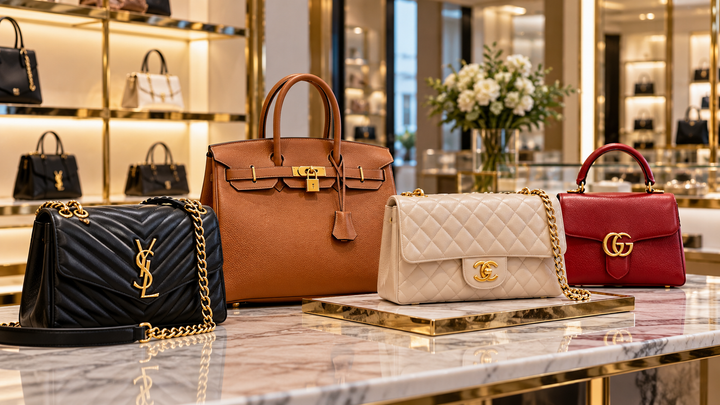
“Designer handbag” on the British high street usually means accessible luxury — Coach, Kate Spade, Michael Kors, Furla, and our own Mulberry — rather than Hermès or Chanel (which live in Bond Street boutiques, not the high street). Prices run £150 to £1,500, and the question isn’t just what they cost but what you’re getting: genuine quality and design, or a logo tax on a mediocre bag? Wondering “how much do designer handbags cost on the high street”? You’re not alone — and the real answer is more straightforward than most guides make it sound.
I bought my first “proper” handbag at 30 — a Coach tote, £350, still going strong a decade later — and it taught me the cost-per-wear lesson that applies to every bag since. Here’s the real price landscape, what the tiers buy, and how to pay less.
High-street designer prices in 2026
Entry designer (£150–£350): Coach, Kate Spade, Michael Kors, Furla, Radley, Ted Baker. This is the high-street designer heartland — good leather, solid construction, recognisable branding. Sale prices (30–40% off in seasonal sales) bring these to £100–£250, which is genuine value. Quality at this tier is reliably good; you’re paying partly for the name but the product backs it up.
Mid designer (£350–£700): Mulberry (£650–£1,200 for icons like the Bayswater — technically above high street but Britain’s accessible-luxury champion), Longchamp’s leather lines, Aspinal of London (£400–£800 — beautiful, very British, excellent gifts), and premium Coach lines. Here you’re paying for better leather, more hand-finishing, and design longevity — these bags look current for a decade.
True luxury (£1,000+): beyond the high street proper — Gucci, Prada, Saint Laurent start around £1,200–£2,000; Chanel and Hermès are £5,000–£10,000+. Diminishing returns are steep past £700 for most buyers — you’re buying brand prestige and craftsmanship at a level few can distinguish. For the investment question, see what to pay for a quality handbag.
- Entry designer £150–£350: Coach, Kate Spade, Michael Kors, Furla
- British mid-luxury £400–£1,200: Mulberry, Aspinal of London
- True luxury £1,200+: Gucci, Prada (diminishing returns past £700)
- Sales bring 30–40% off — never pay full price if you can wait
What the money buys (and the logo tax)
At entry level, you’re getting: real leather (check — some “designer” bags at this price use coated canvas, which is fine but should cost less), decent hardware (zips and clasps that don’t tarnish in months), lined interiors, and consistent stitching. The logo tax exists but it’s modest — a £250 Coach bag is genuinely better made than a £60 high-street bag, not just better branded.
The quality markers to check: leather smell and feel (should feel substantial, not plasticky), stitching (even, tight, no loose threads — count stitches per inch if you’re keen; more is better), hardware weight (solid zips and clasps feel heavy; hollow ones feel tinny), edge finishing (painted edges should be smooth, not cracked), and strap attachments (reinforced, not just glued). These checks work at any price and reveal more than the logo.
Where the tax grows: diffusion lines and outlet-specific products. Many brands make cheaper lines specifically for outlets — similar look, lower quality, “made for outlet” on the label. They’re not bad value, but they’re not the same product at a discount. Check labels; buy the real thing on sale rather than the outlet-specific version if quality matters to you.
How to pay less: sales, outlets, and second-hand
Never pay full price if you can wait: seasonal sales (January, July) discount 30–50%; brand outlets (Bicester Village has Coach, Kate Spade, Michael Kors, Furla, Aspinal) offer 30–60% off; and online outlets run constant promotions. Sign up for brand newsletters — the 10–15% welcome discount on a £300 bag is meaningful.
Second-hand designer is the best value in handbags: barely-used Coach and Kate Spade bags go for £50–£120 on Vinted and eBay; Mulberry Bayswaters at £200–£400 (vs £950 new). Bags show wear honestly — check corners, handles, and interiors in photos; ask for close-ups. Authenticate carefully at higher prices (there are authentication services, £15–£30, worth it over £300). For selling your own, see selling second-hand clothes online.
Vestiaire Collective and The RealReal specialise in authenticated pre-owned luxury — pricier than Vinted but with authentication built in. For true luxury (Chanel, Hermès), pre-owned is often the only sane route — new prices have risen absurdly, while pre-owned classics hold value. Some designer bags genuinely appreciate; most don’t. Buy to use, not to invest, unless you really know the market.
Choosing the right bag (not just the right price)
Cost-per-wear should drive the decision: a £350 bag carried 300 days a year for five years costs 23p per wear. A £80 bag carried twice costs £40 per wear. Buy the bag that fits your actual life: size for your daily carry (laptop? just phone-keys-wallet?), strap options (crossbody for commuting, top-handle for polish), colour (tan and black go with everything; trendy colours date), and weight (an empty heavy bag becomes a burden — check before buying).
Try the practical tests in store: does your phone fit the pocket? Does it close securely? Does it sit comfortably crossbody? Does it stand up on its own (a sign of decent structure)? And the honesty test: will you still like it in three years? Classic shapes (tote, satchel, crossbody in plain leather) outlast trendy ones by years. The £350 classic you love for a decade beats the £150 trendy bag you tire of by spring.
Spotting fakes: second-hand designer authentication
The better the deal looks, the more carefully you should check. Real designer bags have: even, tight stitching (count per inch is consistent — fakes often have uneven or sparse stitching), quality hardware with weight (zips glide smoothly, clasps feel solid, engraving is crisp not blurry), proper lining (branded lining, neat attachment), and date/serial codes in the right format and location for the brand and era (research the specific format — it varies).
Smell and feel: real leather smells like leather and feels substantial; fakes often smell of chemicals or plastic. Logos: compare against official product photos — font, spacing, and alignment are where fakes most often slip. Dust bags and boxes prove nothing (fakes include them); authenticity cards are frequently faked too. Price: a “new” Chanel for £500 is fake, full stop — if it’s too good to be true, it is.
For purchases over £200–£300, use an authentication service (£15–£30: Authenticate First, Real Authentication) — cheap insurance. Buy from sellers with long histories and detailed photos; ask for close-ups of stitching, hardware engraving, and date codes — legitimate sellers oblige happily, scammers get vague. And platforms with buyer protection (eBay, Vestiaire) beat bank transfers to strangers every time.
How Much Do Designer Handbags Cost on the High Street: The Short Answer
Budget £150–£350 for entry designer (Coach, Kate Spade) bought in sales or second-hand — check quality markers over logos and calculate cost-per-wear before buying. Related reading: Vestiaire Collective pre-owned designer.