
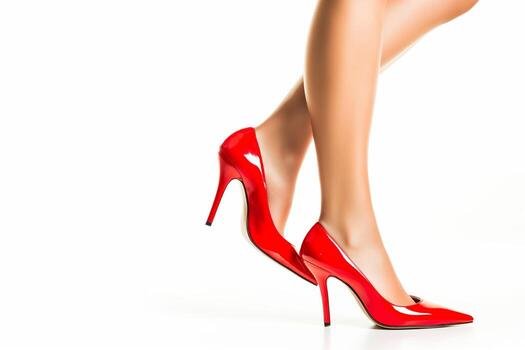
How Do I Break in New Heels Without Pain?
How Do I Break in New Heels Without Pain?
New heels and the phrase “beauty is pain” have been linked for too long. Blisters on the first wear, toes crushed by evening, the shoes abandoned in the wardrobe after one outing — I’ve done all of it. But painful breaking-in is largely avoidable: the right methods, applied before the event, plus honest fit assessment, mean heels you can actually wear. If “how do I break in new heels without pain” is the question you’ve been asking, here’s the straight answer — practical, honest, and based on what actually works.
Here’s what actually works for breaking in heels — the methods, the products worth buying, the fit truths, and when to admit the shoes are simply wrong.
Before you buy: fit truths
Most heel pain is bought, not broken in. The fit rules: shop in the afternoon (feet swell through the day — morning-fitted heels become evening torture devices), wear the hosiery you’ll actually use (or none), and walk on hard floors in the shop (carpet lies). There should be no pinching, no heel slip, and toes shouldn’t be crushed — “they’ll stretch” is true only for width in leather, never for length.
Heel height reality: the comfort cliff is around 7–8cm for most people — below it, manageable; above it, the foot’s weight distribution changes dramatically and pain rises steeply. Block heels and wedges distribute weight better than stilettos at the same height. Platform soles reduce the effective pitch (a 10cm heel with a 2cm platform feels like 8cm). If you’re new to heels or wear them rarely, start at 5cm block heels — genuinely comfortable all day for most.
Sizing quirks: go up half a size if between sizes (toe room matters more than snugness), consider wide fits if standard pinches (brands do them — use them), and know that pointed toes need more length than round toes for the same comfort. The shoe should grip your heel without slipping — heel grips (£5) fix minor slip; major slip means wrong size.
The breaking-in methods that work
Wear them at home: 30–60 minutes daily for a week before the event, on hard floors, doing normal things — the single most effective method, and free. The shoes mould to your feet, you find the pressure points while plasters are handy, and there’s no audience for the awkward phase. Thick socks method: wear the heels with thick socks for 20-minute sessions — the socks stretch the leather gently (works for leather; pointless for synthetic).
Targeted stretching: a shoe stretcher (£10–£15) with stretching spray (£8) on tight spots overnight — effective for width and bunions. The freezer method (bag of water in the shoe, frozen overnight — water expands) works but risks damage; the stretcher is safer. Cobbler stretching (£10–£20): professional, precise, worth it for expensive shoes — they have heated stretchers and know exactly how far leather goes.
Bend the sole gently by hand (new soles are stiff — flexing them 20–30 times softens the break point), scuff the soles lightly on pavement (new smooth soles are slippery — a few minutes of walking on rough ground, or sole grips £5, prevents the Bambi moment), and practise walking: heel-to-toe, smaller steps, weight centred. Stairs and cobbles need practice — do it at home, not at the wedding.
- Wear at home 30–60 mins daily for a week: the best method
- Thick socks + short sessions: stretches leather gently
- Shoe stretcher (£10–£15) or cobbler (£10–£20): for tight spots
- Flex soles by hand; scuff new soles for grip
- Practise stairs and cobbles at home first
Products worth buying (and skipping)
Worth it: gel cushions and ball-of-foot pads (£5–£8 — the forefoot takes most pressure in heels; cushioning it helps enormously), heel grips (£4–£6 for minor slip), blister plasters (£4 — Compeed-style hydrocolloid, applied before blisters form on known hotspots), anti-friction balm (£6–£8 — stops the rubbing that causes blisters), and fold-up flats (£10–£15 — the escape plan for when enough is enough).
Skip: “magic” stretching sprays used alone (they help with mechanical stretching, not solo), heel condoms and gimmicky gadgets, and numbing sprays (masking pain leads to injury — pain is information). Moleskin (£4) is the old-school blister prevention that still works — cut to shape, apply to hotspots before wearing.
The emergency kit for the event: blister plasters, anti-friction balm, fold-up flats, and painkillers. Pack it in your bag every time — the one time you don’t is the time you’ll need it. And the honest backup plan: venues with dancing mean flats eventually for most people. There’s no shame in the mid-evening switch; there’s only the misery of not having the option.
When to admit defeat
Some shoes can’t be broken in: too short (toes will never have room — length doesn’t stretch), too narrow in synthetic (synthetics barely give), heels that pitch you forward unstably (a last-shape issue, not a tightness issue), and any shoe causing numbness or sharp pain (not “breaking in” — that’s injury). The sunk-cost fallacy keeps painful shoes in wardrobes for years; donate them and move on.
The comfort hierarchy for occasions: block heels and wedges (most comfortable), kitten heels (underrated — elegant and walkable), platforms (reduce effective pitch), stilettos (least comfortable, most dramatic). Choose the lowest heel that achieves the look — nobody can tell 7cm from 10cm in photos, but your feet know the difference by 9pm. And for daily wear, the kindest thing is variety: alternate heel heights through the week rather than wearing the same pitch daily. For the quality question, see whether expensive shoes are worth it; for rescue options, repair vs replace.
Stylish comfort: heel alternatives for occasions
The best heel advice might be skipping heels. Block-heeled sandals (5cm, £40–£70) give height and elegance with genuine walkability — the wedding-guest sweet spot. Dressy flats have grown up: pointed ballet flats, embellished loafers, and elegant mules (£30–£80) look intentional, not apologetic, with occasion dresses. Low wedges offer height without the pitch pain.
The style truth: nobody photographs your heel height. What reads as elegant is posture, fit, and confidence — all better in comfortable shoes. The guest gliding comfortably in block heels looks better than the guest grimacing in stilettos, every time. And for dancing, flats win outright — the fold-up emergency pair has become the main event for many.
If you love heels but not pain: kitten heels (3–5cm) are the underrated classic — genuinely comfortable, elegant, and back in fashion. Platforms reduce effective pitch. And the two-shoe strategy (heels for ceremony and photos, flats for reception) is completely normal now — brides do it, guests do it, nobody judges. Comfort isn’t settling; it’s strategy.
How Do I Break in New Heels Without Pain: The Short Answer
Buy right (afternoon fitting, block heel under 8cm), break in at home for a week, cushion the forefoot, pack blister plasters and fold-up flats — most ‘breaking-in pain’ is actually wrong fit. Related reading: NHS foot pain guidance.