
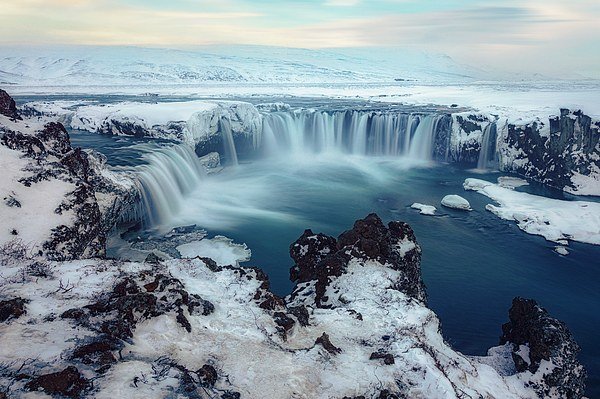
What to Pack for a Week in Iceland in Winter
What to Pack for a Week in Iceland in Winter
Iceland in winter is otherworldly — northern lights, ice caves, black beaches under snow, hot springs steaming in the cold air. It’s also dark, windy, and the weather changes every twenty minutes. I packed wrong on my first trip (too much cotton, not enough windproofing) and spent day two shivering in Reykjavík buying emergency thermals. Pack right and you’ll be comfortable in conditions that sound terrifying on paper. Here’s the complete list. This guide covers what to pack for a week in Iceland in winter — the layering system, the essential kit, and what to leave behind.
The Layering System (The Whole Secret)
Icelandic winter comfort isn’t about one magic jacket — it’s about layers you can adjust:
- Base layer (merino wool): top and bottoms. Merino regulates temperature, doesn’t stink after days of wear, and stays warm when damp. 2–3 sets for a week (they don’t need daily washing). Avoid cotton — it holds sweat and chills you.
- Mid layer (fleece or wool jumper): 1–2. A good fleece plus a wool jumper covers most conditions.
- Insulation (down/synthetic puffer): 1 packable down jacket. Your warmth core.
- Shell (waterproof + windproof): jacket AND trousers. Wind is Iceland’s real enemy — a waterproof shell over everything makes the difference between pleasant and miserable.
Footwear: Get This Right
- Waterproof hiking boots with ankle support — broken in before you go. You’ll walk on ice, snow, volcanic rock and wet ground, sometimes in one afternoon.
- Microspikes/crampons (the slip-on kind, £20–£30) — for icy paths and waterfalls. Tour operators sometimes provide them, but having your own is freedom.
- Merino hiking socks — 4–5 pairs. Warm feet = happy trip.
- Casual shoes for Reykjavík evenings — one pair, waterproof-ish.
Accessories (Small Items, Huge Impact)
- Warm hat covering ears (windproof ideally) + a spare
- Buff/neck gaiter — essential against wind
- Waterproof gloves + liner gloves (touchscreen-compatible liners let you photograph without freezing)
- Sunglasses — snow glare is real, even in winter
- Swimsuit — for hot springs and geothermal pools (non-negotiable; you’ll use it constantly)
- Quick-dry towel (many pools don’t provide them)
- Flip-flops for pool changing rooms
Tech and Practical Gear
- Camera + tripod for northern lights (phone cameras have improved hugely, but a tripod transforms night shots). Spare batteries — cold kills them; keep them in an inside pocket.
- Power bank — cold drains phones fast.
- Headtorch — 4–5 hours of daylight means you’ll be out in the dark. A lot.
- Reusable water bottle — Icelandic tap water is famously pure; don’t buy bottled.
- Dry bags for electronics near waterfalls.
- Small daypack (20–30L) for layers, water, snacks.
What NOT to Pack
- Cotton jeans and hoodies (they stay wet and cold)
- Umbrellas (the wind will destroy them; that’s what shells are for)
- Too many “nice” outfits — Reykjavík is casual; one smart-casual outfit suffices
- Excessive toiletries — buy basics there if needed
- A huge suitcase — you’ll be moving between locations; a 60–70L bag max
Money, Documents and Admin
- Passport (Iceland is Schengen — check entry requirements post-Brexit)
- Travel insurance — non-negotiable in these conditions; see best UK travel insurance
- GHIC card — Iceland accepts it; see EHIC vs GHIC
- Credit/debit cards — Iceland is essentially cashless; a fee-free card (Monzo/Starling/Chase) saves on exchange
- Check roaming — see avoiding roaming charges
The Complete Week-Long Packing Checklist
Wear/outer: waterproof shell jacket + trousers, down jacket, fleece, wool jumper, 2–3 merino base sets, waterproof hiking boots, microspikes, casual shoes, 4–5 merino socks, underwear for 7 days. Accessories: 2 hats, buff, waterproof gloves + liners, sunglasses, swimsuit, quick-dry towel, flip-flops. Gear: daypack, headtorch, power bank, camera + tripod, dry bags, water bottle. Docs: passport, insurance details, GHIC, cards.
Iceland Winter Itinerary: What to Do With the Gear
The Golden Circle (day 1–2)
Þingvellir National Park (walk between tectonic plates), Geysir (the original geyser — Strokkur erupts every 5–10 minutes), Gullfoss waterfall (thundering, half-frozen, spectacular). All doable from Reykjavík; your shell layers earn their keep against the spray and wind.
South Coast (day 3–4)
Seljalandsfoss (walk behind it — waterproofs essential), Skógafoss (climb the stairs for the view), Reynisfjara black beach (beautiful, dangerous — sneaker waves kill; stay well back), Vik. Microspikes essential on icy paths.
Jökulsárlón & Ice Caves (day 5)
The glacier lagoon and Diamond Beach — icebergs on black sand. Ice cave tours (book months ahead — they sell out) require the full layering system; caves are at 0°C with wind.
Reykjavík + Northern Lights (day 6–7)
Hallgrímskirkja, the Sun Voyager, harbour restaurants. Northern lights hunting: get away from city lights (tours available, or drive), check the aurora forecast (vedur.is), and be patient — the headtorch, tripod and warm layers all come into play. Dress for standing still in -5°C for two hours.
Driving in Iceland in Winter: The Reality
- 4×4 with studded tyres is non-negotiable outside Reykjavík. Book the 4×4 — the price difference is trivial against the risk.
- Check vedur.is (weather) and road.is (road conditions) every morning. Icelanders do this religiously; tourists who don’t end up in ditches.
- Daylight is 4–5 hours (11am–4pm in December). Plan driving within daylight; the dark is absolute.
- Wind is the danger — gusts can hit 35m/s+. If the forecast says don’t drive, don’t. Cars get blown off roads.
- Fuel up constantly — stations are sparse outside the south.
- Single-lane bridges are common — yield etiquette applies.
Guided tours remove all of this stress — and for ice caves and glacier hikes, guides are mandatory anyway. A mix (self-drive Golden Circle, guided ice cave/glacier day) works well. For the money mechanics, our package vs DIY guide helps with Iceland’s notoriously pricey accommodation, and Visit Iceland’s official site has current conditions and alerts.
The Practical Takeaway
Packing for Iceland in winter is a systems problem: merino base layers, fleece mid, down insulation, windproof shell, waterproof boots with microspikes, and accessories that seal every gap (hat, buff, gloves). No cotton, no umbrellas, swimsuit mandatory. Get the layers right and -5°C with wind feels bracing rather than brutal — leaving you free to focus on the actual point: waterfalls, glaciers, hot springs, and hopefully the sky catching fire in green. For trip budgeting, our package vs DIY guide helps with the notoriously pricey Icelandic accommodation.