
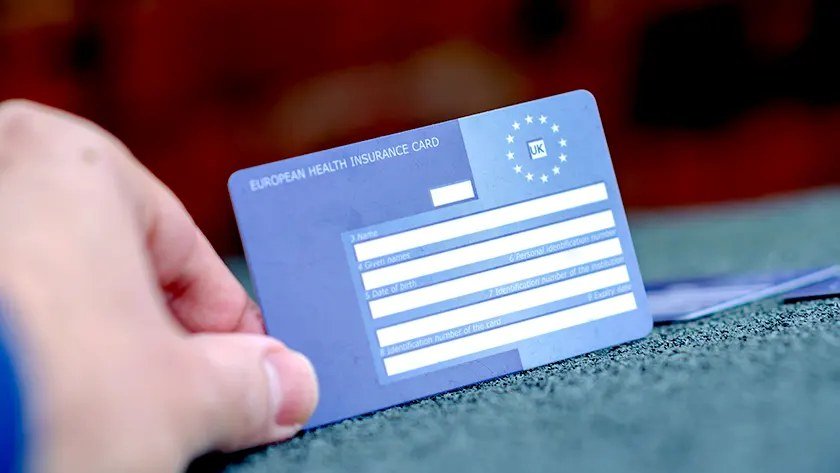
Do You Need an EHIC or GHIC Card to Travel in Europe?
Do You Need an EHIC or GHIC Card to Travel in Europe?
Since Brexit, the European Health Insurance Card (EHIC) has been replaced for most UK travellers by its successor, the Global Health Insurance Card (GHIC) — and confusion reigns. Is your old EHIC still valid? Do you need a GHIC if you have travel insurance? What does it actually cover? I’ve carried both over the years and used an EHIC for real treatment in Spain, so here’s the definitive 2026 guide.
EHIC vs GHIC: What’s the Difference?
- EHIC (old): issued before Brexit. Still valid until its printed expiry date — you don’t need to replace it early.
- GHIC (new): the replacement for new applicants. Covers EU countries; Switzerland, Norway, Iceland and Liechtenstein are not covered under the new card (limited bilateral arrangements aside).
- Both are free. Any website charging for one is a middleman at best, a scam at worst — apply only via the official NHS route.
- Both do the same core job: access to state-provided emergency and necessary healthcare on the same terms as local residents.
What the Card Actually Covers
The card entitles you to medically necessary state healthcare during a temporary stay: emergency treatment, treatment for pre-existing conditions that can’t wait until you’re home, routine maternity care, dialysis and oxygen therapy. The key phrase is “on the same terms as locals” — in countries with patient co-payments (France, for example), you pay what a local would pay.
What it does not cover:
- Private healthcare — only state providers count
- Medical repatriation (getting you home) — this alone can cost £25,000+
- Mountain rescue, cruise ship treatment, or anything beyond necessary care
- Planned treatment abroad
- Travel disruption, cancellation, or lost baggage
Do You Still Need Travel Insurance? Yes.
This is the critical point people get wrong. A GHIC is not travel insurance and never was. It doesn’t cover repatriation, private hospitals (which is where you’ll end up in many resorts), or any of the non-medical things insurance covers. The correct setup is both: GHIC for state healthcare access, plus proper travel insurance for everything else. See our best travel insurance guide and annual cover costs. Relying on the card alone is the most common and most dangerous travel insurance mistake Brits make.
Which European Countries Accept It?
All 27 EU member states, from France to Croatia to Greece. Not covered: Switzerland, Norway, Iceland, Liechtenstein under the GHIC (your old EHIC may still cover some of these until expiry under prior agreements — check before travelling). For non-EU destinations (Turkey, USA, Thailand), the card is irrelevant — insurance is your only protection.
How to Get One
Free via the official NHS application — 10 minutes online, card arrives in 2–3 weeks. Full step-by-step in our GHIC application guide. Everyone travelling needs their own card, including children. If your old EHIC hasn’t expired, keep using it — there’s no need to replace it early.
Using It: Practical Tips
- Show it at state facilities — public hospitals and clinics. In resort areas, private clinics may not accept it; ask before treatment where possible.
- You may need to pay upfront and reclaim later — keep every receipt and document.
- Keep the card separate from your passport (lose one, keep the other).
- If your card hasn’t arrived before travel, the NHS Overseas Healthcare Services can issue a Provisional Replacement Certificate (+44 191 218 1999).
- Call your insurer’s emergency line as well — they coordinate care and repatriation; the card doesn’t.
GHIC Myths, Busted
- “The GHIC covers everything” — it covers state emergency/necessary care. Not private hospitals, not repatriation, not cancellation. The gap between “everything” and reality is where £30,000 bills live.
- “I don’t need insurance if I have a GHIC” — the most dangerous myth in this guide. You need both. Always.
- “It costs money” — it’s free. Any site charging is a middleman. The only official route is the NHS application.
- “My old EHIC is invalid now” — valid until its printed expiry date. Don’t replace early; do apply for a GHIC when it expires.
- “It covers my whole family” — everyone needs their own card, including babies. One card per person, no exceptions.
- “It’s only for emergencies” — it also covers necessary ongoing care (dialysis, oxygen, maternity) and pre-existing conditions that need treatment during your trip.
- “Brexit means no cover in Ireland” — the Common Travel Area means UK citizens access Irish healthcare on similar terms regardless; the GHIC still works there too.
Real-World Scenarios
- Food poisoning in Greece: state hospital, GHIC shown → treated with local co-payment (small). Without GHIC → full bill, claimable on insurance (with excess). Either way you’re covered — but GHIC is simpler.
- Broken ankle skiing in France: mountain rescue (€€€) → GHIC doesn’t cover rescue; insurance does. State hospital treatment → GHIC covers. Repatriation with a cast → insurance only. You need both — this scenario is the textbook case.
- Private clinic in a Spanish resort: GHIC not accepted (private). Insurance covers (check your policy’s private treatment terms). This is why “GHIC-only” travellers get burned in resort areas where private clinics dominate.
- Lost card: call the NHS Overseas Healthcare line for a Provisional Replacement Certificate — same cover, issued for your treatment period.
The pattern: GHIC handles the routine state-care scenarios smoothly; insurance handles everything else. They’re complementary by design. For the full insurance picture, see our best travel insurance guide, and for getting the card itself, our GHIC application walkthrough. The NHS healthcare abroad pages are the authoritative source for edge cases.
The Practical Takeaway
Yes, get a GHIC (or keep using your valid EHIC) — it’s free, takes 10 minutes, and gives you state healthcare access across the EU. But it’s a complement to travel insurance, not a substitute: no repatriation, no private care, no cancellation cover. The travellers who get burned are the ones who thought the card was enough. Get both, pack both, and travel with the quiet confidence of someone who’s actually covered. For your next trip, see our best weekend breaks from London by train and Cotswolds weekend costs.
One thought on “Do You Need an EHIC or GHIC Card to Travel in Europe?”