
How Much Does a Weekend in the Cotswolds Cost?
How Much Does a Weekend in the Cotswolds Cost?
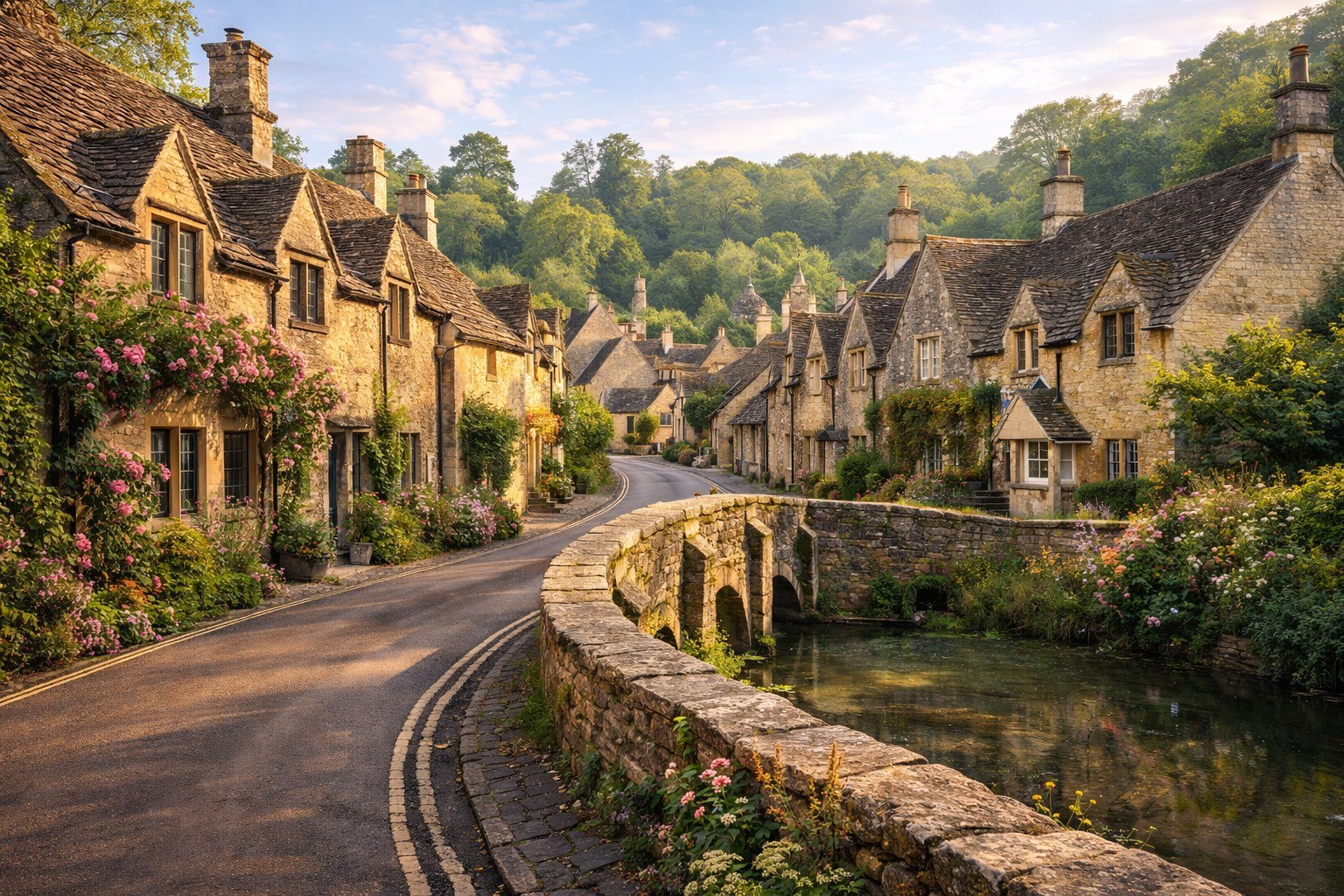
The Cotswolds are England’s chocolate-box fantasy — honey-stone cottages, rolling hills, pubs with open fires — and they charge accordingly. It’s one of the pricier UK weekend destinations, but the range is wide: a cosy B&B and pub dinners versus a boutique hotel and fine dining are different holidays at different prices. I’ve done the Cotswolds on a shoestring and on a splurge; here’s what a weekend actually costs in 2026. This guide breaks down how much a weekend in the Cotswolds costs — accommodation, food, transport, and the money-saving tricks.
The Short Answer: Weekend Totals (2 Nights, Per Couple)
- Budget: £350–£550. B&B or Airbnb room, pub meals, walking (free), one paid attraction.
- Mid-range: £600–£1,000. Nice hotel or cottage, good restaurants, a spa treatment or guided activity.
- Luxury: £1,200–£2,500+. Boutique hotel (Barnsley House, The Pig, Calcot), fine dining, private tours.
Accommodation: The Big Variable
- B&B/guesthouse: £90–£150/night for a double. The Cotswold classic — hearty breakfast included, local knowledge thrown in.
- Airbnb (whole cottage): £120–£250/night. Great for groups; whole cottages sleeping 4–6 often beat hotel maths.
- Mid-range hotel: £150–£250/night.
- Luxury/boutique: £300–£700+/night. The famous names (Soho Farmhouse nearby, The Pig, Barnsley House) command it.
- Budget hack: stay in Cirencester, Cheltenham or Stroud rather than Bibury/Bourton — 20–40% cheaper, still gorgeous, better transport.
Food and Drink
- Pub lunch: £12–£18pp. The Cotswolds do pubs superbly — this is where to spend your food budget.
- Pub dinner: £25–£40pp with a drink.
- Restaurant dinner: £50–£90pp; tasting menus £80–£150.
- Cream tea: £10–£18. Non-negotiable, obviously.
- Self-catering savings: farm shops (Daylesford, local) are pricey but wonderful; regular supermarkets in the bigger towns keep costs sane.
Getting There and Around
- Train from London: £30–£80 return advance to Moreton-in-Marsh, Charlbury or Kemble (Paddington). See our train weekend breaks guide.
- Driving: 2–2.5 hours from London; fuel ~£40–£60 return. Parking is mostly free and easy — one of the Cotswolds’ charms.
- Getting around: this is the catch — public transport between villages is thin. A car transforms the trip. Without one, base yourself in a walkable town (Stow, Bourton, Moreton) and use local buses/taxis. Our campervan hire guide is another (adventurous) option.
What to Do (and What It Costs)
- Walking: free, and the best thing here. The Cotswold Way sections, village-to-village rambles — sublime.
- Blenheim Palace: £35–£40. Worth it once.
- Westonbirt Arboretum: £12–£16. Stunning, especially autumn.
- Bourton Model Village, Birdland: £8–£15 each — charming, especially with kids.
- Daylesford farm: free to browse (dangerous for wallets), workshops extra.
- Village churches and gardens: mostly free or small donations.
How Much You Can Save: Money-Saving Tips
- Go shoulder season (April–May, September–October): better prices, fewer crowds, still beautiful. Avoid August and Christmas.
- Stay midweek if you can — weekend premiums are steep.
- Base in a bigger town (Cirencester, Stroud) not the prettiest village.
- Walk and picnic — the countryside is the attraction, and it’s free.
- Pub lunches over restaurant dinners — better value and arguably better food.
- Book accommodation early — the good B&Bs sell out months ahead in season.
The Prettiest Villages: A Hit List
- Bibury: Arlington Row — the most photographed street in England. Go at 8am or don’t bother (by 11am it’s a scrum).
- Bourton-on-the-Water: the “Venice of the Cotswolds” — bridges, the model village, Birdland. Tourist-central but genuinely lovely.
- Stow-on-the-Wold: antique shops, the market square, England’s oldest inn (The Porch House, 947 AD).
- Burford: the steep high street, medieval bridge, excellent pubs. Less crowded than Bourton.
- Castle Combe: often called England’s prettiest village — tiny, perfect, and mercifully free of chain stores.
- Broadway: the “Jewel of the Cotswolds” — wide high street, galleries, the Tower on the hill above.
- Painswick: the “Queen of the Cotswolds” — Rococo Garden, 99 yew trees, fewer tourists.
- Lacock: National Trust-owned, car-free centre, Harry Potter filming location (Hogwarts corridors!).
Walking: The Cotswold Way and Beyond
The Cotswold Way national trail runs 102 miles from Chipping Campden to Bath — you won’t walk it all in a weekend, but the day-sections are superb:
- Broadway → Winchcombe: Broadway Tower, rolling hills, classic Cotswold scenery. ~7 miles.
- Winchcombe → Cleeve Hill: Sudeley Castle, Belas Knap long barrow, the highest point in the Cotswolds. ~8 miles.
- Bibury → Coln St Aldwyns: the Coln valley, water meadows, utter peace. ~5 miles.
Practicalities: OS Maps app (offline), proper boots (mud is a year-round feature), and pub-based route planning — the best walks end at a pub. The National Trails website has free route guides. Walking is free, the views are priceless, and it’s the antidote to the Cotswolds’ prices — the countryside doesn’t charge admission.
Cotswolds With Kids / Dogs
- Kids: the Model Village (Bourton), Birdland, Cotswold Farm Park (Adam Henson’s — brilliant), Cattle Country. Villages are walkable and safe; pubs are family-friendly.
- Dogs: extremely dog-friendly — most pubs welcome them, walks everywhere. Check accommodation pet policies when booking (many B&Bs accept dogs; some charge £10–£20/night).
For more UK weekend inspiration, our train weekend breaks and cheap seaside breaks offer very different (and cheaper) flavours.
Cotswolds in a Day: Is It Worth It?
Can you do the Cotswolds as a day trip from London? Technically yes — train to Moreton-in-Marsh (1h30), bus/taxi to Bourton and Bibury, back by evening. But I’d argue against it: the Cotswolds’ magic is in the slow mornings, the long pub lunches, the evening light on the stone — all of which a day trip misses. You spend 4+ hours travelling for 5 hours of rushed sightseeing, and the prettiest moments (dawn mist, dusk glow) happen when day-trippers have left.
If a weekend is impossible, do it properly as a day: pick one base (Bourton or Bibury), walk one valley, have one long pub lunch, and accept you’re sampling, not experiencing. Better: the two-day version with one night in a B&B (£90–£140) transforms the trip completely. The Cotswolds are a slow destination in a fast-trip world — give them the time they deserve, or save them for when you can.
The Practical Takeaway
A Cotswolds weekend costs £350–£550 budget, £600–£1,000 mid-range, or £1,200+ luxury per couple for two nights. Accommodation is the lever — B&Bs and shoulder-season bookings keep it sane. Bring or hire a car, walk everywhere, eat in pubs, and remember the prettiest villages are free to wander. It’s not the cheapest UK break (see our cheap seaside alternatives), but for a certain kind of English idyll, there’s nothing else like it.