
How Much Does a City Break in Rome Cost From the UK?
How Much Does a City Break in Rome Cost From the UK?
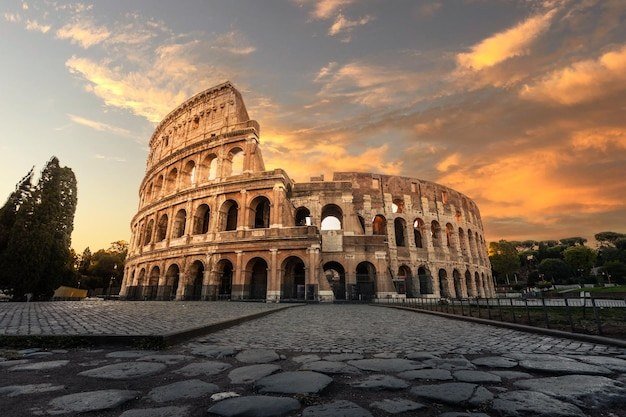
Rome is the city break against which all others are measured — 2,800 years of history stacked in layers, food that ruins Italian restaurants back home for you, and that golden evening light on the travertine. It’s also not the cheapest European city break, with tourist pricing in the centro storico that can sting. I’ve done Rome on £80 a day and on £300 a day; here’s what 3–4 days actually costs in 2026. This guide breaks down how much a city break in Rome costs from the UK — flights, hotels, food, and sights, per person per day.
How Much a City Break in Rome Costs: 3-Day Totals
- Budget: £250–£400. Hostel/B&B, trattorias and pizza al taglio, walking everywhere, selective paid sights.
- Mid-range: £450–£700. 3-star hotel, good restaurants, a couple of taxis, major sights with skip-the-line.
- Luxury: £900–£1,500+. Boutique hotel, fine dining, private tours, taxis everywhere.
Flights From the UK
London–Rome returns run £50–£120 booked 4–8 weeks ahead (Ryanair/EasyJet from Stansted/Luton/Gatwick; BA/ITA from Heathrow). Add £12–£30 for airport transfers: the Leonardo Express train to Termini is €14 (32 min); regional FL1 train €8 (slower, stops); Terravision/SIT buses €6–€7 (45–70 min); taxi fixed fare €55. Our flight booking timing guide and roaming tips apply.
Where to Stay (and What It Costs)
- Hostel dorm: £25–£45/night. Social, central options exist.
- B&B/guesthouse: £70–£120/night. Rome’s B&B scene is excellent value — family-run, central, breakfast included.
- 3-star hotel: £100–£180/night.
- 4-star/boutique: £200–£400+/night.
- Neighbourhood tip: Monti, Trastevere and San Lorenzo offer character and value; the streets right by the Vatican and Colosseum charge premiums for location you’ll barely use (you’ll be out walking all day).
Food: Rome’s Great Bargain (If You Know How)
- Coffee: €1–€1.50 standing at the bar (the Roman way); €4–€5 seated at a tourist-piazza table. Always drink standing.
- Pizza al taglio / supplì / street food: €3–€6. Lunch solved.
- Trattoria dinner: €25–€45pp with house wine. The holy trinity: cacio e pepe, carbonara (no cream, ever), amatriciana.
- Fine dining: €80–€150pp.
- Gelato: €3–€5. Daily. Non-negotiable.
- The rules: avoid restaurants with touts, photos of food, or “tourist menu” signs; walk 2 streets from any major sight and prices halve; house wine is always good and always cheap.
Sights: What to Pay For
- Colosseum + Forum + Palatine: €24 standard; book the official timed entry weeks ahead — the queue without a booking is hours. Underground/arena tours €30–€60, worth it.
- Vatican Museums + Sistine Chapel: €20 standard; book direct via the Vatican site (resellers mark up hugely). Wednesday papal audiences are free (ticketed).
- St Peter’s Basilica: free entry; dome climb €8–€10 — do it, the view is Rome’s best.
- Pantheon: €5 entry (recently introduced).
- Borghese Gallery: €15–€22, timed entry, book ahead — exquisite and crowd-controlled.
- Free: the Pantheon exterior piazza, Trevi Fountain, Spanish Steps, Villa Borghese gardens, Appian Way, most churches (Caravaggios free in San Luigi dei Francesi!), and simply walking — Rome’s greatest sight is Rome itself.
- Roma Pass (€58/72h): worth it if you’re doing 3+ paid sights plus transport; otherwise pay as you go.
Getting Around
Walk — the centro storico is compact and every street is a sight. Metro/buses: €1.50/100min ticket, €18.50 weekly pass. Taxis: metered, €3.50 base; use app-hailing (FreeNow) to avoid scams. From the airport, the train beats the taxi unless you’re 3+ people.
Rome’s Neighbourhoods: Where to Base Yourself
- Monti: my top pick — central, characterful, vintage shops, great restaurants, walkable to the Colosseum and Termini. B&Bs £80–£140.
- Trastevere: the charming maze across the river — ivy-covered streets, aperitivo culture, lively nights. Slightly less convenient for the Vatican side.
- Centro Storico (Pantheon/Piazza Navona): the postcard — and priced like it. Worth it for a special trip; walk everywhere.
- San Lorenzo: studenty, gritty, cheap eats, great nightlife. The budget traveller’s choice.
- Prati (near Vatican): elegant, residential, excellent for Vatican days. Quieter at night.
- Testaccio: foodie neighbourhood — the old slaughterhouse district turned culinary hotspot. Authentic, local, great value.
- Avoid: the immediate Termini surroundings at night (fine by day, seedy after dark) — stay 10 minutes’ walk away instead.
Day Trips From Rome
- Ostia Antica: Rome’s ancient port — Pompeii without the crowds or the journey. 30 minutes by train (€1.50). Half a day, utterly fascinating.
- Tivoli: Hadrian’s Villa + Villa d’Este (the gardens with a hundred fountains). An hour by bus/train. A full, wonderful day.
- Orvieto: hilltop Umbrian town, stunning cathedral, white wine. 1h15 by train. The Italy of the imagination.
- Naples/Pompeii: ambitious but doable — 1h10 by high-speed train to Naples (€20–€50 advance), then Pompeii. A very long day; consider overnighting.
Roman Food Rules (Learn These)
- Coffee: standing at the bar (€1–€1.50); sitting down (€4+). Cappuccino is a morning drink — ordering one after dinner marks you as a tourist (they won’t mind, but now you know).
- Carbonara has no cream. Ever. Guanciale, pecorino, egg, pepper. That’s it. The cream versions are a crime.
- Cacio e pepe, amatriciana, gricia: the four Roman pastas. Try all four across the trip — it’s a delicious assignment.
- Supplì: fried rice balls with mozzarella heart — €2–€3 street food perfection.
- Carciofi alla romana/giudia: artichokes, Roman-style or Jewish-style. Seasonal (spring), unmissable.
- Dinner starts at 8pm. Restaurants serving at 6pm are for tourists. Embrace the late rhythm.
- House wine: always good, always cheap (€4–€6/half litre). The wine list is for special occasions.
For the journey itself, our flight booking guide and roaming tips apply — and Turismo Roma’s official site is the best source for current exhibitions and events.
Rome With Kids: The Family Guide
Rome is surprisingly brilliant with children — history as adventure playground:
- Gladiator school: half-day experiences where kids train as gladiators (£50–£80) — the highlight of many family trips.
- Explora Children’s Museum: hands-on, excellent, near Piazza del Popolo.
- Villa Borghese: boating lake, bikes, the zoo (Bioparco) — Rome’s great green escape.
- Pizza-making classes: numerous, fun, and dinner is included in the lesson.
- Catacombs: underground tunnels — thrilling for kids, fascinating for adults.
- Gelato strategy: one new flavour per day, rated solemnly. It structures the entire trip.
Practicalities: the centre is walkable but tiring for small legs — pace it, use the metro for longer hops, and embrace the Italian schedule (late dinners suit kids who’ve napped). Family B&Bs in Monti or Trastevere give space and local tips. Rome with kids isn’t a compromise — it’s arguably the best way to see it, through eyes that find everything amazing.
The Practical Takeaway
A 3-day Rome break costs £300–£500pp budget or £500–£800 mid-range including flights booked ahead. Save money by: booking flights 4–8 weeks out, staying in Monti/Trastevere B&Bs, eating standing coffee and trattoria dinners, booking sights direct weeks ahead, and walking everywhere. Splurge on: one great dinner, the Borghese Gallery, and gelato twice daily. Rome rewards the prepared and punishes the winging-it — book the Colosseum and Vatican now, thank yourself later. And sort travel insurance and your GHIC before you fly.