
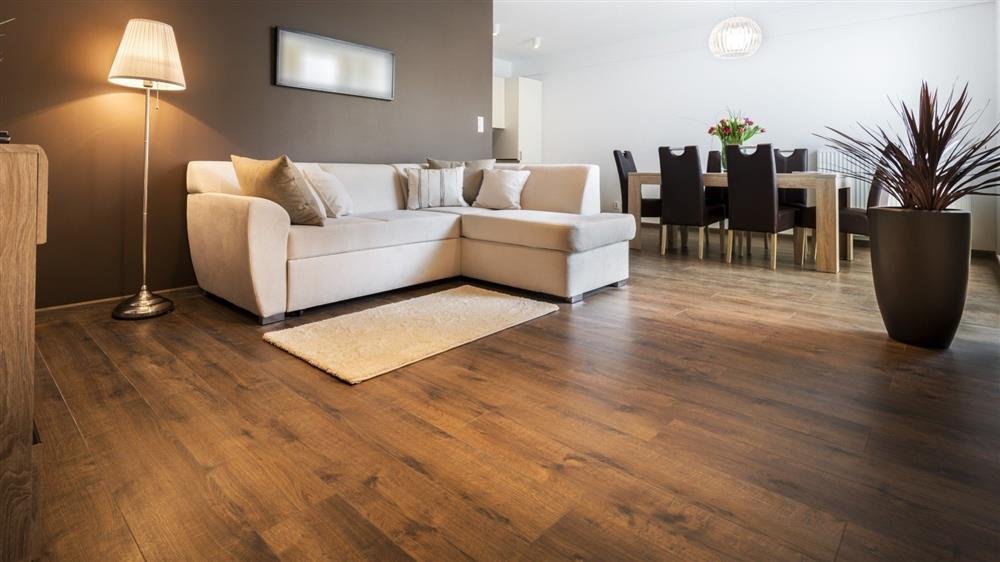
Laminate Flooring Cost Per Square Metre Fitted (UK 2026)
Laminate Flooring Cost Per Square Metre Fitted (UK 2026)
Laminate remains Britain’s most popular hard flooring — it looks like wood, costs a fraction of it, and shrugs off family life. Here’s how much laminate flooring costs per square metre fitted in the UK, and how to get the best value.
Typical fitted prices
- Budget laminate (6–7mm, basic): £18–£28/sqm fitted
- Mid-range (8–10mm, decent wear rating): £28–£42/sqm fitted
- Premium (12mm, AC5 rated, premium brands): £42–£60/sqm fitted
- Materials only: £8–£30/sqm depending on quality
- Fitting labour alone: £12–£20/sqm in most of the UK (£18–£28 in London)
A typical living room (20 sqm) at mid-range: £560–£840 fitted. Whole downstairs (50 sqm): £1,400–£2,100.
What’s included in “fitted”?
Always clarify — quotes vary in what’s bundled:
- Usually included: underlay, fitting, beading/scotia trim
- Sometimes extra: removing old flooring (£2–£5/sqm), moving furniture (£50–£150), door trimming (£15–£30 per door), levelling uneven subfloors (£5–£15/sqm)
- Underlay quality matters: basic foam is often included; upgrade to acoustic or thermal underlay (£3–£8/sqm extra) for flats and cold floors
Get itemised quotes. “£35/sqm fitted” means nothing if it excludes underlay and trim.
What to look for when buying
- Thickness: 8mm minimum for living areas; 12mm feels substantially more solid underfoot
- AC rating: AC3 for bedrooms, AC4 for living areas, AC5 for commercial/heavy use. Don’t pay for AC5 in a spare bedroom.
- Click system: modern click-lock is DIY-friendly and faster (cheaper) for fitters to install
- Water resistance: standard laminate and water don’t mix — for kitchens/bathrooms, consider vinyl instead or water-resistant laminate ranges
- Guarantee: 15–25 years is standard on mid-range; check what it actually covers
Where to buy
- Wickes / B&Q / Homebase: huge range, frequent sales, easy returns
- Online specialists (Factory Direct Flooring, Leader Floors): often 20–30% cheaper for the same product
- Costco: surprisingly good premium laminate deals
- Independent flooring shops: best advice, often price-match, and they know local fitters
Buy 10% extra for cuts and wastage. Keep a spare pack — matching dye lots later is a nightmare.
DIY vs professional fitting
Laminate is the most DIY-friendly hard flooring: click systems, no glue, basic tools (saw, spacers, tapping block — a £30 fitting kit). A competent DIYer can do a room in a day. That said, pros are faster, handle tricky cuts (door frames, pipes) cleanly, and their work is guaranteed. At £12–£20/sqm labour, professional fitting is good value for large areas or awkward rooms.
Laminate vs alternatives
- vs Engineered wood: £40–£80/sqm fitted — real wood, can be refinished, but 2–3x the price
- vs LVT/vinyl: £25–£55/sqm fitted — better for wet areas and quieter underfoot
- vs Carpet: £15–£35/sqm fitted — warmer but stains and wears faster
For the full family-home comparison, see laminate vs vinyl for busy family homes.
The bottom line
Budget £28–£42/sqm fitted for good mid-range laminate — the sweet spot of looks, durability and value. Get itemised quotes, buy 10% extra, upgrade the underlay in flats, and don’t put standard laminate in bathrooms. It’s not the cheapest flooring per square metre, but per year of good-looking service in a busy home, it’s very hard to beat.
Where laminate makes sense (and where it doesn’t)
Laminate’s sweet spot: living rooms, dining rooms, bedrooms, hallways, home offices — dry areas with foot traffic. It looks great, wears well, and costs half of engineered wood. Where it doesn’t belong: bathrooms (standing water kills it — use vinyl), kitchens (debatable — water-resistant laminate exists, but one dishwasher leak ruins it; vinyl is safer), conservatories (temperature swings cause expansion issues), and very uneven floors (laminate needs a flat subfloor — budget for levelling).
The honest positioning: laminate is the best-looking budget flooring for dry rooms. It’s not waterproof, it’s not real wood, and it won’t fool anyone who looks closely — but at £30/sqm fitted versus £60/sqm for engineered wood, it delivers 80% of the look for 50% of the money. In rental properties and family homes, that maths is compelling.
Laminate flooring FAQs
How long does laminate flooring last? 15–25 years in residential use (AC4/AC5 rated, properly installed). Cheap AC3 laminate in a busy hallway: 8–12 years. It doesn’t wear through like carpet — it fails at the click joints or from water damage. Buy quality, keep it dry, and it outlasts most other budget flooring.
Can you put laminate in kitchens? Water-resistant laminate: yes, with caution. Standard laminate: risky — one leak from the dishwasher or washing machine and it’s ruined. If you do: choose water-resistant ranges, silicone-seal the expansion gaps at wet areas, wipe spills immediately, and put a waterproof mat in front of the sink. Or just use vinyl — it’s designed for this.
Does laminate increase home value? It doesn’t hurt and looks better than tired carpet — estate agents consider it neutral to slightly positive. It won’t add value like real wood, but new laminate beats worn carpet for saleability every time. For rentals, it’s ideal: durable, cheap, easy to replace between tenancies.
Can I lay laminate over existing flooring? Over vinyl/lino: yes, if flat and firmly adhered. Over carpet: no — too soft, the click joints flex and break. Over tiles: yes, if flat (grout lines can telegraph through — use a levelling underlay). Over wood floor: yes, if sound. Always use proper underlay — never lay laminate directly on the subfloor.
What’s the difference between cheap and expensive laminate? Wear layer thickness (AC rating), core density (HDF quality — cheap cores swell faster), click system quality (cheap clicks break during installation), print realism (premium has varied plank patterns; cheap repeats obviously), and water resistance. The £12/sqm vs £28/sqm difference is real and visible — buy the best you can afford for high-traffic areas.
Getting the fitting right: what to agree with your fitter
Most laminate complaints are fitting complaints, not product complaints. Agree upfront: the per-sqm labour rate and measured area (measure it yourself — length × width, plus 10% wastage); what’s included (underlay? beading? door trims? furniture moving? old floor removal?); subfloor preparation (who levels it, and at what cost — £5–£15/sqm if needed); underlay specification (basic foam vs acoustic — in flats, acoustic underlay isn’t optional, it’s neighbourly); and trims and thresholds (door bars, stair nosing — £10–£30 each, often “forgotten” in quotes).
On the day: the fitter should acclimatise the laminate (48 hours in the room ideally — though many don’t; insist for large areas), leave expansion gaps (8–10mm at all walls — hidden by beading), stagger joints properly (no H-patterns or aligned joints), and undercut door frames rather than cutting around them. Payment: nothing upfront for labour (materials maybe), balance on satisfactory completion. A good fitter lays 20–30 sqm a day; a whole downstairs takes 2–3 days. Walk the finished floor together before paying — check every threshold, every trim, every joint.
Related reading
Compare with laminate vs vinyl for family homes, and read Which?’s flooring buying guides before choosing.