
Garden Fence Cost Per Panel UK 2026: Prices Compared
Garden Fence Cost Per Panel UK 2026: Prices Compared
After a storm takes down three panels, the first question is always: what will this cost me? Here’s how much a garden fence costs per panel in the UK — panels, posts, labour, and the full-per-metre reality.
Panel prices (materials only)
- Overlap / lap panels (the standard): £25–£55 per 6x6ft panel
- Closeboard panels: £40–£80 — sturdier, better-looking
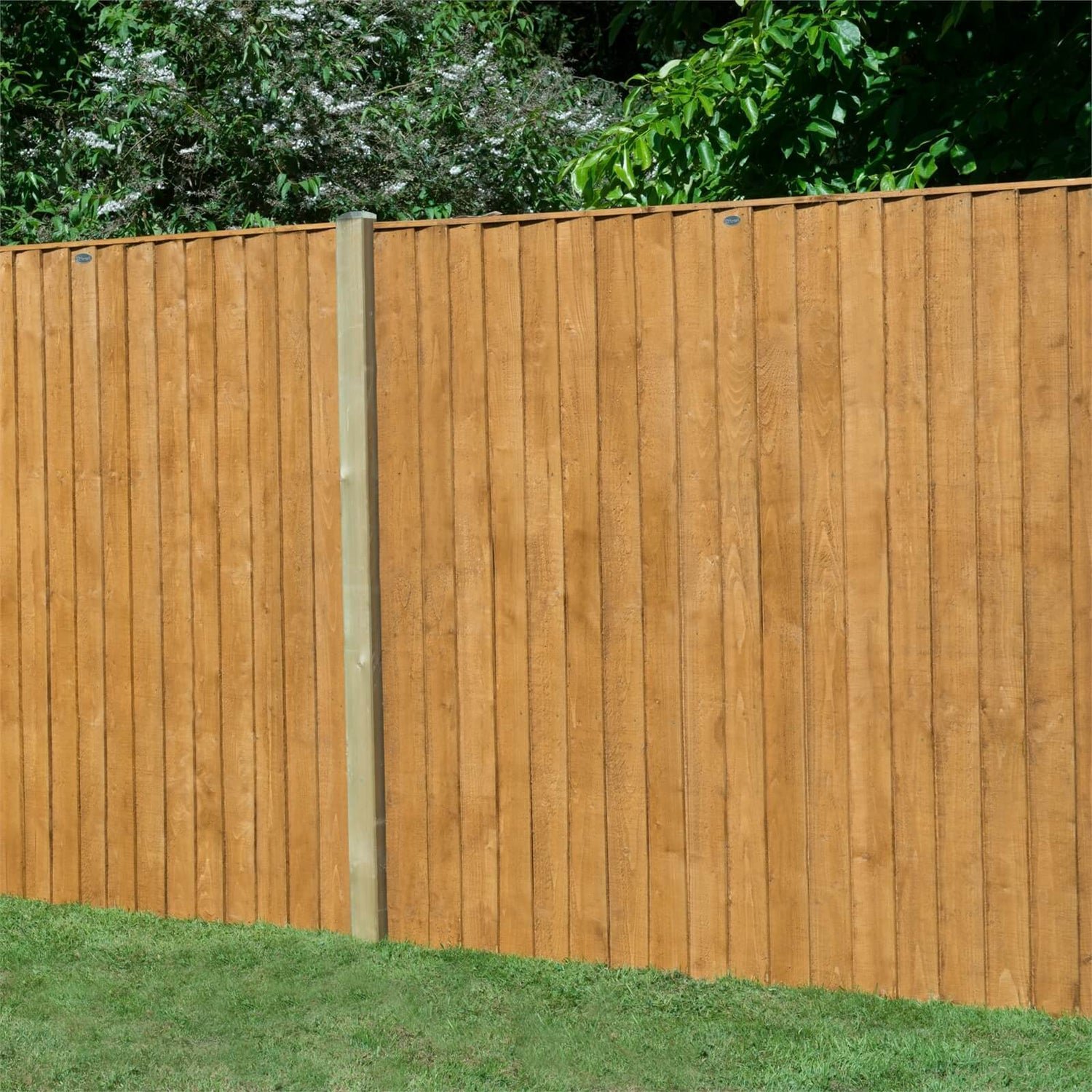
- Featheredge (built on-site): £35–£60 per panel equivalent — the strongest option
- Picket panels: £30–£60 — decorative, less privacy
- Trellis panels: £20–£45 — for topping walls or growing plants
- Composite panels: £80–£150 — expensive but near-zero maintenance
Pressure-treated panels cost 20–30% more than dip-treated but last twice as long — always buy pressure-treated. Check Wickes, Travis Perkins and local fencing merchants (often cheaper than DIY sheds for bulk).
Posts, gravel boards and extras
Panels are only part of the cost:
- Concrete posts: £15–£30 each — last 25+ years; the smart choice
- Wooden posts: £8–£18 each — cheaper, rot in 5–10 years (even treated, at ground level)
- Gravel boards (concrete): £10–£20 each — protect panel bottoms from ground moisture; always fit these
- Postcrete: £6–£8 per bag (one bag per post)
- Caps and fixings: £2–£5 per post
Real cost per bay (panel + post share + gravel board + concrete): roughly £50–£110 in materials for a standard 6ft overlap fence with concrete posts.
Labour: professional installation
- Per panel fitted: £80–£150 (including materials) in most of the UK
- Per metre (fencing contractors): £60–£120/m for standard 6ft fencing
- Day rate: £200–£350 for a fencer with labourer
- A typical 10-panel run: £800–£1,500 fitted professionally
DIY vs professional
Fencing is very DIY-able — it’s physical but not technical:
- DIY cost for 10 panels: £400–£700 in materials
- Pro cost for 10 panels: £800–£1,500
- You’ll need: post hole digger or auger (£30–£50), spirit level, string line, and a strong back
- Concrete posts are heavy (30kg+) — get help or pay a pro for those sections
- Allow a full weekend for 8–10 panels as a beginner
How to make it last
- Concrete posts + concrete gravel boards — the wood never touches the ground, so it can’t rot from below
- Pressure-treated timber throughout
- Annual treatment with fence stain/preserver (£20–£40 for the whole fence) — do it in dry summer weather
- Keep soil and plants off the panels — moisture contact is the killer
- Check planning rules: fences over 2m (1m by a road) need permission
A well-built fence with concrete posts lasts 15–20 years; a cheap lap-panel fence on wooden posts lasts 5–8. The “expensive” option is cheaper per year.
Who pays? Boundary disputes
Check your deeds — they usually mark responsibility with “T” marks. In practice, neighbours often split costs for shared boundaries — but there’s no legal obligation to contribute (or to have a fence at all). Approach it cooperatively: “the fence between us needs replacing, shall we split it?” works better than demands. For storm damage, check your home insurance — many policies cover fences (with an excess).
The bottom line
Budget £50–£110 per bay in materials or £80–£150 per panel fully fitted. Always choose pressure-treated timber, concrete posts and gravel boards — the upfront premium pays for itself in longevity. DIY saves roughly half; a pro saves your weekend and your back. And check whose fence it is before you spend a penny.
Fence styles: what suits your garden
Beyond price, the style choice shapes your garden’s feel. Overlap/lap panels: the UK default — cheap, private, but the horizontal slats catch wind (they’re the first to blow down in storms) and look basic. Closeboard: vertical featheredge boards — stronger, better-looking, longer-lasting; the upgrade worth paying for if the budget stretches. Featheredge built on-site: the strongest and most attractive — individual boards nailed to posts and rails, no panel gaps, fully customisable to slopes. Picket: charming for front gardens, useless for privacy. Trellis-topped: adds height legally (trellis above 2m is often permitted where solid fencing isn’t — check locally) and supports climbers.
Composite: £80–£150/panel — looks like wood, never needs treating, lasts 25+ years. The maths works if you value your weekends: 20 years of annual fence treatment (£30/year + your Saturday) vs fit-and-forget composite. Metal railings: for front gardens — secure, attractive, but no privacy and £100–£200/m. Match the style to the street: a closeboard fence in a picket-fence road looks wrong, whatever it cost.
Fencing FAQs
How high can my fence be without permission? 2 metres (about 6’6″) in back gardens; 1 metre adjacent to a road or footpath. Above that needs planning permission — which is sometimes granted (noise, security) and sometimes not. Trellis on top of a 2m fence exists in a grey area — many councils tolerate it; check yours.
Who owns the fence — left or right? Neither, necessarily — the “left-hand rule” is a myth. Check your deeds/transfer documents for T-marks (the marked side owns/maintains). No marks? It’s shared or unclear — in practice, neighbours negotiate. The Land Registry (£3 for title documents) settles it definitively.
Can I paint my side of a shared fence? Your side: yes. The neighbour’s side: only with permission. Use fence stain/preserver (not regular paint — it peels), and warn the neighbour first — overspray on their prize roses ends friendships. Both sides painted lasts longest (moisture attacks from both faces).
How do I stop fence panels blowing down? Concrete posts + gravel boards (the panel isn’t the weak point — the posts are), don’t use solid panels in exposed/windy spots (hit-and-miss or slatted designs let wind through), and keep panels off the ground (rot weakens them). In very exposed locations, featheredge on-site beats panels — it’s dramatically stronger.
Should I treat a new pressure-treated fence? Not immediately — pressure treatment protects for years. After 2–3 years, start annual treatment with a quality fence stain to maintain colour and protection. Dip-treated (cheaper) panels need treating immediately and annually — which is why pressure-treated is better value despite the higher upfront cost.
Related reading
Check planning rules for garden structures (fence height limits explained) and making a small garden look bigger.