
How to Make Yorkshire Puddings Rise Every Time
How to Make Yorkshire Puddings Rise Every Time
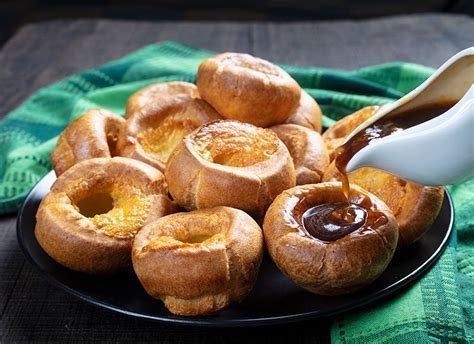
Flat, stodgy Yorkshires are a Sunday tragedy. Towering, crisp, golden ones are a triumph. Here’s how to make Yorkshire puddings rise every time — the batter, the heat, and the technique, with no superstition required.
The batter (the easy part)
The classic ratio — equal volumes of egg, milk and plain flour:
- 4 eggs
- 200ml milk (whole milk; half milk, half water also works and goes crisper)
- 200g plain flour
- 1 tsp salt
Whisk flour and salt, add eggs, whisk smooth, gradually add milk. Rest the batter — 30 minutes minimum, ideally a few hours or overnight in the fridge. Resting hydrates the flour and relaxes gluten: smoother batter, better rise. This step matters more than any “secret ingredient”.
Bring the batter to room temperature before baking — cold batter hitting hot fat doesn’t rise as dramatically.
The fat and the heat (the critical part)
- Fat: beef dripping (traditional, best flavour), goose fat, or vegetable oil. About 1 tsp per muffin hole.
- Heat the fat until smoking: tin in a 220–230°C oven (200–210°C fan) for 5–10 minutes. The fat must be shimmering and just smoking when the batter goes in — this violent heat is what creates the rise.
- Work fast: pull the tin out, pour batter quickly (fill holes ⅓ to ½ full — no more), straight back in. Every second the door’s open, heat escapes.
Baking
- 20–25 minutes without opening the door. Do not open the oven for the first 15 minutes — the temperature drop collapses them. Watch through the glass like a hawk if you must.
- They’re done when deeply golden and crisp — pale Yorkshires go soggy in minutes. Err on the side of darker.
- Serve immediately — they wait for no one and deflate as they cool.
Why they fail (troubleshooting)
- Flat and dense: fat wasn’t hot enough, or the oven door was opened too early, or the batter was overmixed (develops gluten = heavy).
- Soggy bottoms: too much batter per hole, or underbaked — go darker.
- Stuck to the tin: fat wasn’t hot enough, or the tin needs re-seasoning. A dedicated Yorkshire tin, well-used, is worth its weight.
- Uneven rise: oven hot spots — rotate the tin once (after 15 minutes, quickly).
- Taste of oil: too much fat per hole — 1 tsp is plenty.
Large Yorkshire vs individual
For a giant Yorkshire (the proper northern serving): use a 20cm round tin or small roasting tin, same batter, 25–30 minutes. Fill with the roast dinner components for the full “Yorkshire pudding wrap” experience. Same rules: smoking fat, hot oven, don’t peek.
Make-ahead?
Honestly, Yorkshires are best fresh. But you can bake them 2–3 hours ahead and re-crisp for 5 minutes in a hot oven before serving — they come back remarkably well. The batter can (and should) be made the night before.
The toad-in-the-hole bonus
Same batter, same technique: brown sausages in an oven dish, pour over batter, bake 25–30 minutes. Serve with onion gravy and mash. One of Britain’s great cheap dinners — see our budget family recipes for more.
The bottom line
Rested batter + smoking-hot fat + 220°C+ oven + don’t open the door. Four rules, and flat Yorkshires become physically impossible. The resting is the part most recipes underplay — make the batter in the morning for the evening roast and you’ll see the difference. Crisp, towering, golden: the way they should be. Now go with the roast potatoes and a proper gravy.
The great Yorkshire pudding debates
Few foods inspire such passionate regional argument. With which meats? Tradition: beef only — Yorkshire pudding was born in Yorkshire to accompany roast beef. Modern pubs: everything — chicken, lamb, pork, even nut roast. The verdict: delicious with all of them; tradition is a guide, not a law. Starter or side? Historical: served first, filled with gravy — a cheap filler before the expensive meat. Modern: alongside. Giant Yorkshire as the plate (filled with the full roast): increasingly popular, utterly delicious, historically dubious — embrace it.
Sweet Yorkshire puddings? The batter is essentially a crêpe/pancake batter — filled with jam, golden syrup or fruit, it’s a legitimate dessert (the Dutch pannekoek does exactly this). Toad-in-the-hole arguments: sausages browned first (non-negotiable — raw sausages steam the batter), batter poured over hot fat (same rules as Yorkshires), onion gravy (the only acceptable accompaniment — fight me). Frozen Yorkshires: Aunt Bessie’s and friends — acceptable in emergencies, never as good as fresh, always better than none. No shame in the freezer aisle.
Yorkshire pudding FAQs
Can I make the batter in advance? Yes — and you should. Minimum 30 minutes resting; overnight in the fridge is ideal (smoother batter, better rise). Bring to room temperature before baking — cold batter + hot fat = reduced rise. Whisk briefly before pouring (the flour settles). Batter keeps 24 hours refrigerated.
Why did my Yorkshires sink after rising? Underbaked — they rose on steam, but the structure wasn’t set when you took them out. Fix: bake darker — deeply golden, not pale. Opened the door early: the temperature drop collapses the steam structure before it’s set. Too much batter per hole — the centre can’t set before the outside overcooks. Serve immediately — even perfect Yorkshires deflate as they cool; it’s physics, not failure.
Can I make them in an air fryer? Yes, small ones — silicone muffin cases in the air fryer, 200°C for 10–12 minutes. They work surprisingly well for 2–4 people. Limitations: small batch size, no giant Yorkshires, and the fat spatters in the compact space (line underneath). For a full Sunday roast, the oven remains king.
What fat is best? Beef dripping: traditional, best flavour. Goose fat: excellent, rich. Vegetable oil: perfectly good, neutral — what most people use. Olive oil: fine (not extra virgin — low smoke point). Butter: burns — avoid. The temperature matters more than the fat type — smoking-hot whatever-you-use beats lukewarm dripping.
Can I make gluten-free Yorkshire puddings? Yes — gluten-free plain flour (Dove’s Farm) works with the same method, though the rise is slightly less dramatic (gluten contributes structure). Rest the batter longer (1 hour+) — GF flours hydrate slower. Don’t overmix — there’s no gluten to develop, but overmixing still incorporates uneven air. They won’t be quite as towering, but they’re genuinely good.
Related reading
Serve with crispy roast potatoes — and BBC Good Food’s Yorkshire pudding recipe.