
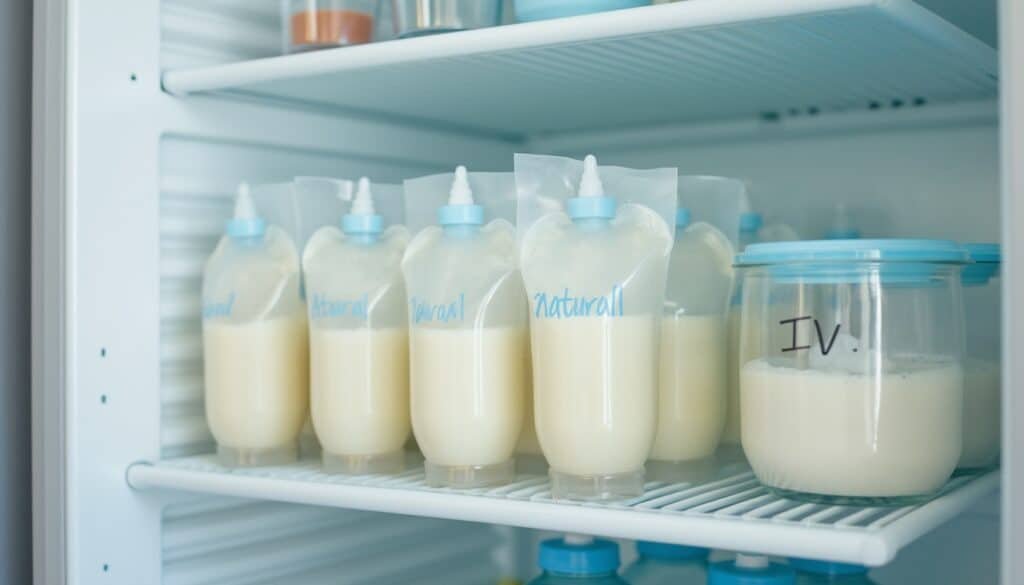
Can You Freeze Milk? Does It Taste the Same After? (Honest Answer)
Milk is one of those things you always seem to have too much or too little of. Bought an extra pint “just in case” and now it’s approaching its date? Yes, you can freeze milk — and it’s perfectly safe. But does it taste the same afterwards? That’s the more interesting question, and the honest answer is: almost, with a couple of caveats.
Can you freeze milk? The short answer
Yes. All standard cow’s milk — whole, semi-skimmed, skimmed — freezes safely and keeps for up to 3 months (some sources say 6, but quality is best within 3). Freezing pauses bacterial growth completely; it doesn’t make milk unsafe in any way. The Food Standards Agency has no objection to freezing milk — just freeze it before the use-by date, not after.
Does frozen milk taste the same?
Mostly yes, with two noticeable differences:
- Texture: Milk can separate slightly on thawing, looking a bit grainy or watery. A vigorous shake usually fixes it completely. Whole milk is most affected; skimmed least.
- Taste: In blind tests most people can’t tell the difference in tea, coffee, cooking or cereal. Drunk ice-cold in a straight glass, very sensitive palates might detect a slight flatness — but it’s subtle.
My verdict after doing this for years: thawed milk is 95% as good for every normal use. I wouldn’t serve it to a milk connoisseur in a tasting flight, but for tea, cooking, baking and cereal it’s indistinguishable once shaken.
How to freeze milk properly
- Freeze before the use-by date. Freezing doesn’t reset the clock — it pauses it. Milk frozen on its last day should be used within a day or two of thawing.
- Leave headroom. Milk expands when frozen. Pour off a couple of inches from a full bottle or use a container filled to 80%.
- Use suitable containers. The original plastic bottle is fine (squeeze out air first). Glass bottles can crack — transfer to plastic if yours came in glass.
- Portion it. Freeze in smaller bottles or ice cube trays if you only need a splash for tea. Cubes are brilliant for this.
- Label and date it. Frozen milk all looks the same; future you won’t remember when it went in.
How to defrost milk
- Fridge (best): Move to the fridge 24 hours before you need it. Slow, safe, best texture.
- Cold water: Submerge the sealed container in cold water for a few hours. Never warm water — it encourages bacterial growth on the outside while the inside is still frozen.
- Never at room temperature for extended periods, and never refreeze thawed milk.
- Shake hard once thawed to re-emulsify the fats. This is the step everyone skips and then complains about the texture.
- Use within 2-3 days of thawing, and treat it like fresh milk from that point.
Which milks freeze best?
- Semi-skimmed: the best all-rounder for freezing. Lower fat = less separation.
- Skimmed: freezes very well, barely any texture change.
- Whole milk: fine, but separates most noticeably. Shake vigorously.
- Plant milks: mixed results. Oat milk freezes reasonably; almond milk can go grainy; coconut milk separates badly (though it’s fine for cooking). Freeze in cubes for cooking use.
- Formula/breast milk: completely different rules — follow NHS guidance specifically, not this article.
Smart uses for frozen milk
Honestly, the best use of frozen milk is as a buffer against waste and emergency shops. But it’s also great for:
- Batch cooking: thaw a bottle for béchamel, custard, rice pudding or creamy leftover-vegetable soup — cooking erases any texture difference entirely.
- Smoothies: blend from partially frozen for extra thickness.
- Baking: milk in cakes and bread is completely unaffected by having been frozen.
Freezing milk is one of the simplest ways to cut waste — and if you’re looking at kitchen running costs overall, you might also wonder what you should never put in an air fryer, since efficient cooking and smart storage go hand in hand.
Can you freeze milk and does it taste the same? The final verdict
After all the detail, here’s the bottom line: yes, freeze it with confidence. The texture change is real but minor, the taste difference is negligible in every normal use, and the alternative — pouring pints down the sink — is indefensible. But a few related questions come up constantly, so let’s settle them.
What about cream, buttermilk and yoghurt? Double cream freezes well (whip it lightly first for best results); single cream can split but is fine for cooking. Buttermilk freezes brilliantly in portions — ideal since recipes always need a cup and shops sell litres. Yoghurt freezes fine but goes grainy; use frozen yoghurt for smoothies and cooking, not for eating with a spoon. Hard cheeses (grated) freeze excellently; soft cheeses go watery.
Does frozen milk work in coffee? Yes — once thawed and shaken, it’s indistinguishable in lattes and flat whites. Baristas freezing milk is more common than you’d think, especially in small cafés managing waste. The microfoam behaves the same. If you’re precious about your morning cup, do a blind test: I bet you can’t tell.
How much can you actually save? The average UK household bins around £60-£80 of dairy a year, much of it milk bought “just in case.” Freezing the just-in-case pint instead of binning it saves that money outright — plus the emergency shop it prevents. It’s the lowest-effort saving in the kitchen: pour, freeze, done. Combine it with the other habits in our food-waste guide and the savings stack fast.
One last tip: freeze milk in the quantities you’ll use. A full 2-litre bottle is awkward if you only need a splash for tea — freeze a small bottle for daily use and keep the big one for cooking and cereal. Ice cube trays for tea-splashes, 500ml bottles for general use, full bottles for batch cooking. Match the portion to the purpose and you’ll never thaw more than you need.
The takeaway
Freeze milk before its use-by date, leave headroom, thaw in the fridge, shake hard, use within 2-3 days. It tastes essentially the same in tea, coffee, cooking and cereal. It’s one of the easiest food-waste wins in the kitchen — no reason not to do it.