
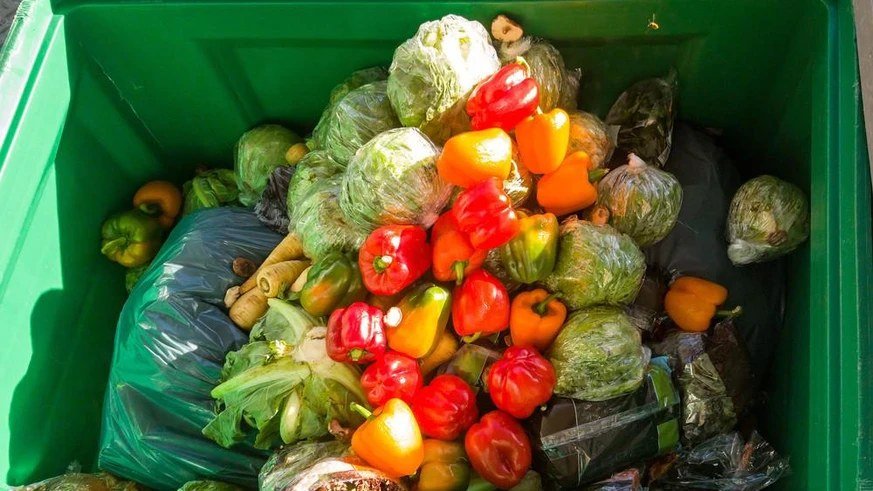
How to Reduce Food Waste at Home in the UK (Save £700+ a Year)
Here’s a number that should stop you in your tracks: the average UK household throws away around £700-£800 worth of food every year. That’s not scraps and peelings — that’s edible food, bought with real money, binned uneaten. I’ve been working on this in my own kitchen for a couple of years, and I can tell you that learning how to reduce food waste at home in the UK isn’t about perfection or preachiness. It’s about a handful of habits that save serious money.
Know the scale of the problem
According to WRAP (the Waste and Resources Action Programme), UK households waste about 6.6 million tonnes of food a year, and around 70% of it was perfectly edible. The most wasted items? Fresh vegetables and salad, bread, milk, and cooked leftovers. Sound familiar? The good news is that these are also the easiest categories to fix.
1. Plan meals (loosely, not rigidly)
You don’t need a colour-coded spreadsheet. Just decide 4-5 dinners for the week before you shop, check what you already have, and write a list. The rigid “Monday = chicken, Tuesday = pasta” approach collapses the moment life intervenes; a loose plan with one or two flexible “use-it-up” meals survives contact with reality. This single habit cuts waste more than anything else.
2. Shop with a list — and eat before you go
Obvious, underrated. A list stops impulse buys; a full stomach stops the “ooh, that looks nice” additions that rot in the fridge. Online shopping helps too — it’s much harder to impulse-buy a reduced quiche when it’s a thumbnail.
3. Learn your dates
Use-by = safety, respect it. Best-before = quality, use your judgement after it. Most UK food waste from date confusion is best-before items binned unnecessarily. Eggs, yoghurt, biscuits, tinned goods — all routinely fine past best-before. When in doubt, the sniff test and a look beat the printed date.
4. Store things properly
Half of food waste is a storage problem, not a buying problem:
- Herbs in a jar of water in the fridge (2-3 weeks, not 3 days)
- Bread in the freezer, not the fridge (fridge = stale faster)
- Milk can be frozen before its date — thaw in the fridge
- Potatoes and onions somewhere dark and cool, never together (onions make potatoes sprout)
- Salad leaves washed, dried and stored with kitchen paper last twice as long
5. Love your freezer
The freezer is the pause button on waste. Bread, milk, butter, cheese (grated), herbs in oil, cooked rice, leftover curry, bananas for smoothies, even eggs (beaten, not in shells) — all freeze well. The trick is labelling and dating everything, and actually eating the frozen stuff. A freezer full of 2023 mystery bags helps nobody. Run a “freezer week” every couple of months where you eat down the stock.
6. Embrace “use it up” meals
Designate one dinner a week as a clear-out: stir-fry, frittata, soup, fried rice, bubble and squeak, or a “bottom of the fridge” curry. These meals are often the tastiest of the week — constraints breed creativity. A weekly soup made from whatever’s wilting is practically a tradition in my house now.
7. Buy wonky and reduced
Supermarket “wonky veg” ranges, Too Good To Go bags (£3-£4 for £10+ of food near closing time), and Olio (free food from neighbours) all redirect food that would be wasted. The wonky stuff tastes identical — a bent carrot is still a carrot. Reduced-to-clear sections are gold if you shop in the evening and freeze what you won’t eat immediately.
8. Cook the right amount
Weigh your pasta and rice occasionally to recalibrate your eye — most people cook 30-50% too much. A mug of dried rice feeds 3-4; 75-100g dried pasta per person is plenty. And if you do overcook, leftovers aren’t waste — they’re tomorrow’s lunch, if you store them properly (cool quickly, fridge within 2 hours, eat within 2 days).
9. Get creative with leftovers
Stale bread → breadcrumbs, croutons, bread-and-butter pudding. Wilting veg → soup, stir-fry, frittata. Leftover rice → fried rice (day-old rice is actually better for it). Chicken carcass → stock. The mindset shift is seeing ingredients, not leftovers. If you’re serious about an efficient kitchen, it’s also worth checking the best air fryer for a family of four — reheating leftovers crisply beats the microwave every time.
10-15. The quick wins
- First in, first out: put new shopping behind older items. Revolutionary? No. Effective? Hugely.
- Keep a “eat me first” shelf in the fridge for things nearing their date.
- Don’t peel what you don’t need to: carrot, potato and parsnip skins are edible and nutritious. Less waste, less work.
- Use the whole vegetable: broccoli stalks, cauliflower leaves, carrot tops (pesto!), beetroot leaves — all edible.
- Compost the truly inedible: peelings, cores, coffee grounds. Many councils now collect food waste — use the caddy.
- Track it for a week: write down everything you bin. It’s uncomfortable and extremely motivating.
For UK-specific tools and the national picture, Love Food Hate Waste (run by WRAP) is the authoritative resource — portion calculators, storage guides and all.
And when you’re planning those efficient weekly shops, batch cooking helps enormously — here’s how to batch cook healthy lunches for work so your weekdays are covered too.
How to reduce food waste at home in the UK: the 80/20 version
If the full 15-tip list feels overwhelming, here are the three habits that deliver 80% of the result. First: the weekly meal plan. Five dinners decided before you shop, built around what you already have. Everything else is optimisation; this is the foundation. Households that meal plan waste roughly a third less food — it’s the single highest-impact change.
Second: the Sunday fridge audit. Five minutes, once a week: what needs eating in the next two days? Move it to the “eat me first” shelf, plan it into Monday/Tuesday meals, freeze what won’t make it. Most food waste isn’t a buying problem — it’s a forgetting problem. The audit fixes the forgetting.
Third: freeze the surplus reflex. Bread going stale? Freezer. Milk nearing its date? Freezer. Batch of soup too big? Freezer. Herbs fading? Chop, oil, freezer. The freezer is a pause button, and most people massively underuse it. The only rule: label and date everything, and schedule a monthly “eat the freezer” week so it doesn’t become a food museum.
Do those three consistently and you’ll halve your waste without thinking about the other twelve tips. Add the rest gradually, as habits rather than rules. The Love Food Hate Waste campaign’s research backs this up: it’s the simple, repeated behaviours — not the elaborate systems — that move the needle on household waste.
The takeaway
Meal plan loosely, learn your dates, store things properly, love your freezer, and run a weekly use-it-up meal. You won’t hit zero waste — nobody does — but cutting your waste in half saves £350-£400 a year and it’s genuinely not hard. Start with the meal plan. Everything else follows.