
Is It Expensive to Keep a Cat in a London Flat?
Is It Expensive to Keep a Cat in a London Flat?
Cats and London flats are a natural pairing — independent, space-efficient, and largely indifferent to your 40-square-metre living room. I’ve had cats in flats for years, and the honest answer to “is it expensive?” is: not really, compared to almost any other pet — but it’s not free either. A cat in London costs roughly £800–£1,500 a year once settled. Here’s where the money goes, plus the flat-specific stuff nobody tells you. This guide breaks down whether it’s expensive to keep a cat in a London flat — the real annual costs and the money-saving tricks.
Annual Costs: The Breakdown
- Food: £250–£450/year. Decent wet/dry food runs £20–£35/month. Cats are obligate carnivores — cheap food with low meat content is a vet bill waiting to happen.
- Litter: £120–£200/year. Clumping litter, one bag every 2–3 weeks. (Litter is the recurring cost new owners most underestimate.)
- Insurance: £120–£300/year for lifetime cover. Get it — a blocked bladder or swallowed string costs £1,500–£3,000 without it.
- Routine vet: £150–£250/year — annual booster (£40–£60), flea/worm treatment (£80–£120), check-ups.
- Scratching posts, toys, misc: £80–£150/year. A good tall scratching post (£40–£70) saves your sofa, which is the real economics here.
First-year extras: adoption fee (£60–£150 from rescues like Cats Protection or Battersea), neutering (£50–£120; often included in adoption), microchipping (£15–£30 — now legally required), initial vaccinations, carrier, litter trays, bowls: budget £300–£500 on top of year-one running costs.
The Flat-Specific Challenges (and Costs)
- Pet-friendly renting: the real London cat tax. Many tenancies ban pets; pet-friendly flats are scarcer and sometimes pricier. Since the Renters’ Rights Act reforms, landlords can’t unreasonably refuse pets — but “unreasonable” is doing heavy lifting, so check before signing. Our tenancy agreement checklist covers the pet clause.
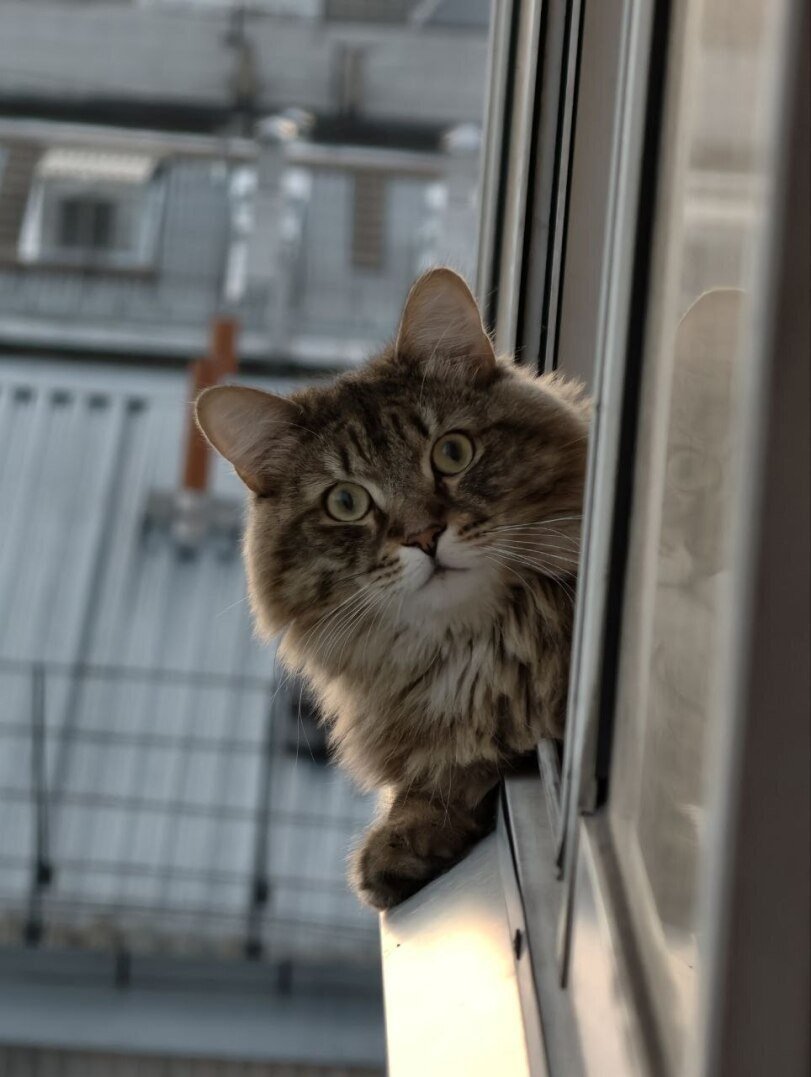
- Space: cats need vertical space more than floor space. A tall scratching post, window perch and a couple of shelves turn a small flat into a cat palace for under £100. See our small flat organisation guide — the cat stuff has to fit too.
- Indoor enrichment: indoor cats need stimulation — puzzle feeders, regular play, a window with a view. Bored cats redecorate.
- Cleaning: litter trays, hair, the occasional hairball. A decent vacuum with a pet head is essential kit; our guide to finding a cleaner in London helps if you’d rather outsource.
- Balconies: cat-proof netting (£30–£80) if you have one — cats fall from balconies with depressing regularity (“high-rise syndrome” is a real veterinary term).
Indoor vs Outdoor in London
My take: in London, indoor (or supervised outdoor via catio/balcony) is the sensible default. Traffic, theft (pedigree cats get stolen), and territorial fights make free-roaming risky. Indoor cats live longer on average — they just need the enrichment to match. Two cats are often easier than one: they entertain each other, and the marginal cost of the second is small.
Money-Saving Tips (Because It Can Get Expensive)
- Adopt an adult cat — lower fee, known personality, often already neutered and vaccinated, and adult cats are overlooked in shelters.
- Buy food and litter in bulk online — 20–30% cheaper than supermarket small bags.
- Insure from day one — pre-existing conditions aren’t covered, so early cover is cheapest and most complete.
- Preventive care — weight control and dental attention avoid the big bills.
- DIY enrichment — cardboard boxes beat £30 toys. Every cat owner learns this.
Two Cats vs One: The Surprising Maths
Conventional wisdom says two cats cost twice as much. Reality: the second cat adds maybe 40–50% to costs, not 100%. Food and litter scale, but insurance is per-cat (the big variable), vet visits can sometimes be combined, and equipment (carriers, scratching posts) is shared. Meanwhile the benefits compound: bonded pairs entertain each other (less destructive boredom), keep each other warm, and are less demanding of your time.
Shelters are full of bonded pairs that are harder to rehome — adopting two often comes with reduced fees and the knowledge that you’re solving the shelter’s hardest problem. If you’re out at work all day, two cats are genuinely happier than one. The main constraint is space and your tenancy agreement (some limit pet numbers) — check before falling in love at the shelter. Our tenancy checklist covers pet clauses.
Indoor Cat Enrichment: Keeping Them Happy
An indoor cat’s quality of life depends entirely on enrichment — a bored cat is a destructive, stressed, overweight cat. The essentials:
- Vertical territory: cats think in 3D. Tall scratching posts, wall shelves, window perches — height is security and entertainment.
- Daily interactive play: 10–15 minutes twice daily with a wand toy. This isn’t optional; it’s the hunting simulation their brains need. A tired cat is a well-behaved cat.
- Puzzle feeders: make them work for food — slows eating, provides mental stimulation. A £10 puzzle feeder beats a £10 toy.
- Window access: a window with a view (birds, people, pigeons) is cat television. A £25 window hammock is the best-value cat purchase there is.
- Safe outdoor access: a catio (enclosed balcony/patio area) or harness training gives outdoor stimulation without the risks. Balcony netting (£30–£80) is essential first.
- Routine: cats are creatures of habit — consistent feeding and play times reduce anxiety.
Total enrichment setup for a flat: £100–£200 one-off. Compare that to the cost of a shredded sofa (£500+) or a stressed cat’s vet bills — it’s not even a decision. The Cats Protection website has excellent free guides on indoor cat welfare.
Pet Insurance: The Details That Matter
Not all pet insurance is equal, and the differences matter enormously:
- Lifetime cover (resets the condition limit yearly) vs annual cover (condition limits don’t reset — useless for chronic conditions like diabetes or kidney disease, which are common in older cats). Always choose lifetime.
- Cover level: £7,000–£12,000/year is the sweet spot. £2,000 policies get exhausted by a single serious incident.
- Excess + co-payment: many policies add a 10–20% co-payment for older cats (8+). Factor this in.
- Insure young: premiums are lowest and pre-existing condition exclusions don’t apply yet. Insuring a 12-year-old cat with a heart murmur is expensive or impossible.
- Compare properly: MoneySavingExpert’s pet insurance guide compares the real terms, not just prices.
The Practical Takeaway
No — keeping a cat in a London flat isn’t expensive by pet standards: £800–£1,500 a year, with litter and insurance as the costs to watch. The real challenges are finding a pet-friendly rental and cat-proofing a small space, both solvable. For the money, you get the lowest-maintenance companionship available — a creature that asks for food, a warm laptop to sit on, and the occasional chin scratch. Compared to a dog (£1,500–£3,000+/year — see our dog cost breakdown), cats are the budget-friendly flat pet. Just buy the tall scratching post before the cat, not after.
2 thoughts on “Is It Expensive to Keep a Cat in a London Flat?”