
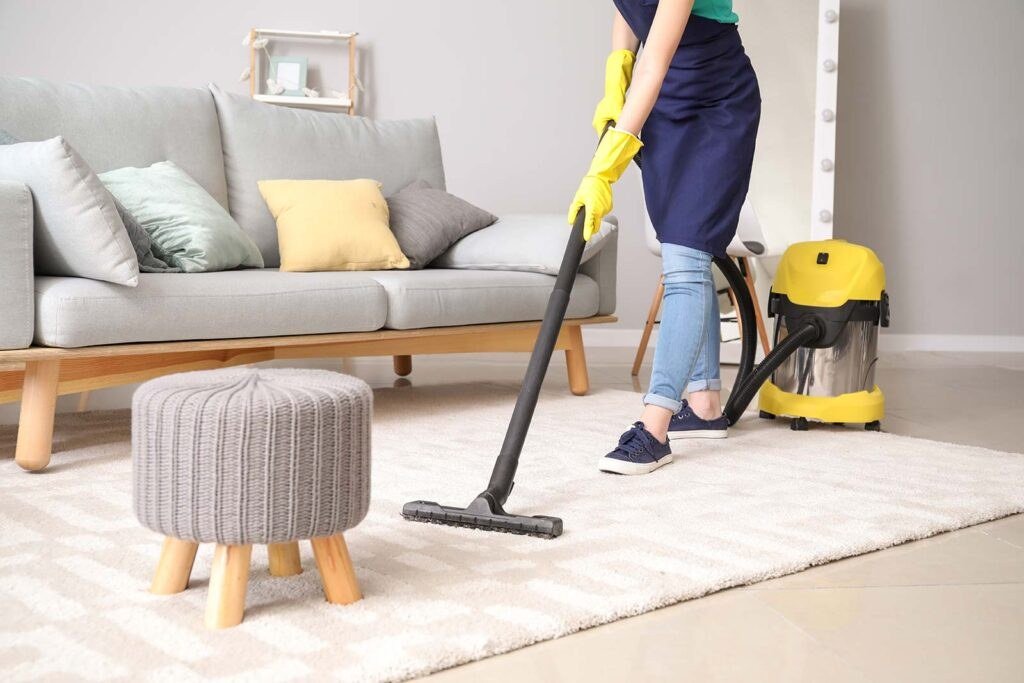
How to Find a Reliable Cleaner in London
How to Find a Reliable Cleaner in London
There’s a particular kind of London exhaustion that a cleaner fixes: working full-time, commuting, trying to have a life, and watching the flat slowly descend into chaos. I resisted hiring one for years out of a weird guilt — then a friend pointed out I was spending my only free Saturday scrubbing a bathroom, and the maths (£35 to buy back half a day) was undeniable. Finding a reliable cleaner, though, takes some doing. Here’s how.
What a Cleaner Costs in London (2026)
Expect £15–£25 per hour depending on area and arrangement:
- Independent cleaners: £15–£20/hour, usually 2-hour minimum. Often the best value — you deal directly with the person cleaning your home.
- Agencies: £20–£28/hour. More expensive, but they handle cover when your cleaner is ill and do the vetting.
- End-of-tenancy cleans: fixed quotes, typically £150–£350 depending on flat size. Essential for deposit recovery — see getting your deposit back in full.
For a typical 2-bed flat, a fortnightly 2–3 hour clean (£60–£120/month) keeps things genuinely nice. Split between flatmates, it’s £20–£40 each — the highest happiness-per-pound spending I know. Our cleaner hourly rates guide breaks this down further.
Where to Find a Reliable Cleaner in London
- Word of mouth (best): ask neighbours, colleagues, your building’s WhatsApp group. A cleaner recommended by someone whose standards you trust is gold.
- Local Facebook/Nextdoor groups: “can anyone recommend a cleaner in [area]?” posts get dozens of replies. Look for names that come up repeatedly.
- Agencies: Maid2Clean, Fantastic Services, Housekeep and local independents. Read recent reviews, not just star ratings.
- Taskrabbit/Airtasker: good for one-off deep cleans; less ideal for regular arrangements.
- Noticeboards: old-school but effective — good local cleaners advertise in corner shops and cafés.
Vetting: The Questions to Ask
- How long have you been cleaning, and do you have regular clients I could ask? (References matter.)
- Do you bring your own products and equipment, or use mine?
- What’s included in a standard clean — and what’s extra (oven, windows, inside fridge)?
- Are you insured? (Agencies should be; independents ideally have liability cover.)
- What’s your cancellation policy — and what happens when you’re on holiday or ill?
- How do you handle keys and alarm codes?
Red flags: no references, cash-only with no receipt trail, wildly undercutting the going rate (reliability correlates with fair pay), or reluctance to do a trial clean.
Setting Up a Routine That Works
- Start with a trial clean. One session before committing. Walk them through your priorities — everyone’s “clean” means something different.
- Write a simple checklist. Kitchen, bathrooms, hoovering, dusting, mirrors, bins — plus rotating deep tasks (oven monthly, windows quarterly). Stick it on the fridge.
- Agree products. Provide your own if you have preferences (eco products, pet-safe, allergies) — many cleaners prefer using the client’s products anyway.
- Sort access and payment. Key safe, trusted neighbour, or be home. Pay by bank transfer on the day — reliable, traceable, appreciated.
- Give feedback early and kindly. “Could you spend more time on the shower grout?” in week two prevents resentment in month six. Good cleaners want to know.
The Etiquette Bit
Tidy before they come (they’re cleaners, not tidiers — clearing surfaces lets them actually clean), pay on time every time, give notice before Christmas and holidays, and a Christmas bonus (£20–£50) for a great regular cleaner is customary and deserved. Treat them well and they’ll treat your home well — the best cleaners stay for years when the relationship is good.
What Should a Cleaner Actually Do? The Checklist
“A good clean” means different things to different people — which is why the checklist matters. A standard 2–3 hour domestic clean typically covers:
Every visit: all rooms dusted (surfaces, skirting, shelves), hoovered/mopped, mirrors and glass cleaned, kitchen surfaces and hob wiped, sink and taps descaled/shined, bathroom(s) fully cleaned (toilet, bath/shower, sink, taps, mirrors), bins emptied and relined.
Rotating (agree the schedule): oven (monthly), fridge interior (monthly), windows interior (quarterly), skirting deep-clean, shower grout scrub, under furniture, inside cupboards.
Usually extra: laundry/ironing, changing beds (some include, some don’t — ask), deep oven clean, exterior windows, pet hair detailing.
Print your agreed list and stick it inside a cupboard door. It removes all ambiguity and gives the cleaner a clear target — good cleaners like checklists; it means they know what “done” looks like. Adjust after the first month based on what matters most to you.
Independent vs Agency: The Honest Comparison
- Independent cleaner — pros: cheaper (£15–£20/hr), direct relationship, consistent person, flexible. Cons: no cover when ill/on holiday, you’re the employer (sort of — most are self-employed, but check the gov.uk guidance on employing domestic staff), vetting is on you.
- Agency — pros: vetted staff, replacement cover, customer service, insured. Cons: £20–£28/hr, you might get different cleaners, less personal relationship.
My take: for a regular fortnightly clean, an independent found through personal recommendation is the sweet spot — better value and a real relationship. Use agencies for one-offs (end-of-tenancy, deep cleans) or if you want zero admin. Either way, the trial clean + references + clear checklist formula applies. For rates detail, see our cleaner hourly rates guide.
Tax and Legal: The Bit People Ignore
Quick, important, boring: most domestic cleaners are self-employed and handle their own tax — but if you dictate their hours, provide all equipment, and they’re effectively your employee, HMRC might disagree. For typical arrangements (cleaner has multiple clients, brings own products, sets own schedule within your slot), self-employment is correct. If in doubt, the gov.uk employment status checker takes 10 minutes. Paying cash-in-hand to avoid the question helps nobody — least of all the cleaner, who needs provable income for renting, mortgages and benefits. Bank transfer, every time.
The Practical Takeaway
Finding a reliable cleaner in London: ask around first (word of mouth beats algorithms), vet with references and a trial clean, agree a clear checklist, and pay fairly and on time. At £15–£25/hour, a fortnightly clean is one of the best quality-of-life purchases a busy Londoner can make — especially in a house-share, where it also ends the cleaning rota wars. See our flatmate guide for splitting the cost without arguments, and small flat organisation tips to make their job (and your life) easier.