
What Are the Best Affordable Jewellery Brands in the UK?
What Are the Best Affordable Jewellery Brands in the UK?
Affordable jewellery has had a renaissance: the “demi-fine” category (£30–£150) now offers gold vermeil and sterling silver pieces with genuine design credibility — a world away from the green-finger costume jewellery of the past. I’ve built a jewellery collection almost entirely in this range, and the good pieces get mistaken for fine jewellery regularly. If “what are the best affordable jewellery brands in the uk” is the question you’ve been asking, here’s the straight answer — practical, honest, and based on what actually works.
Here are the UK’s best affordable jewellery brands in 2026, what “demi-fine” actually means, and how to buy pieces that last rather than tarnish by spring.
What demi-fine means (and why it matters)
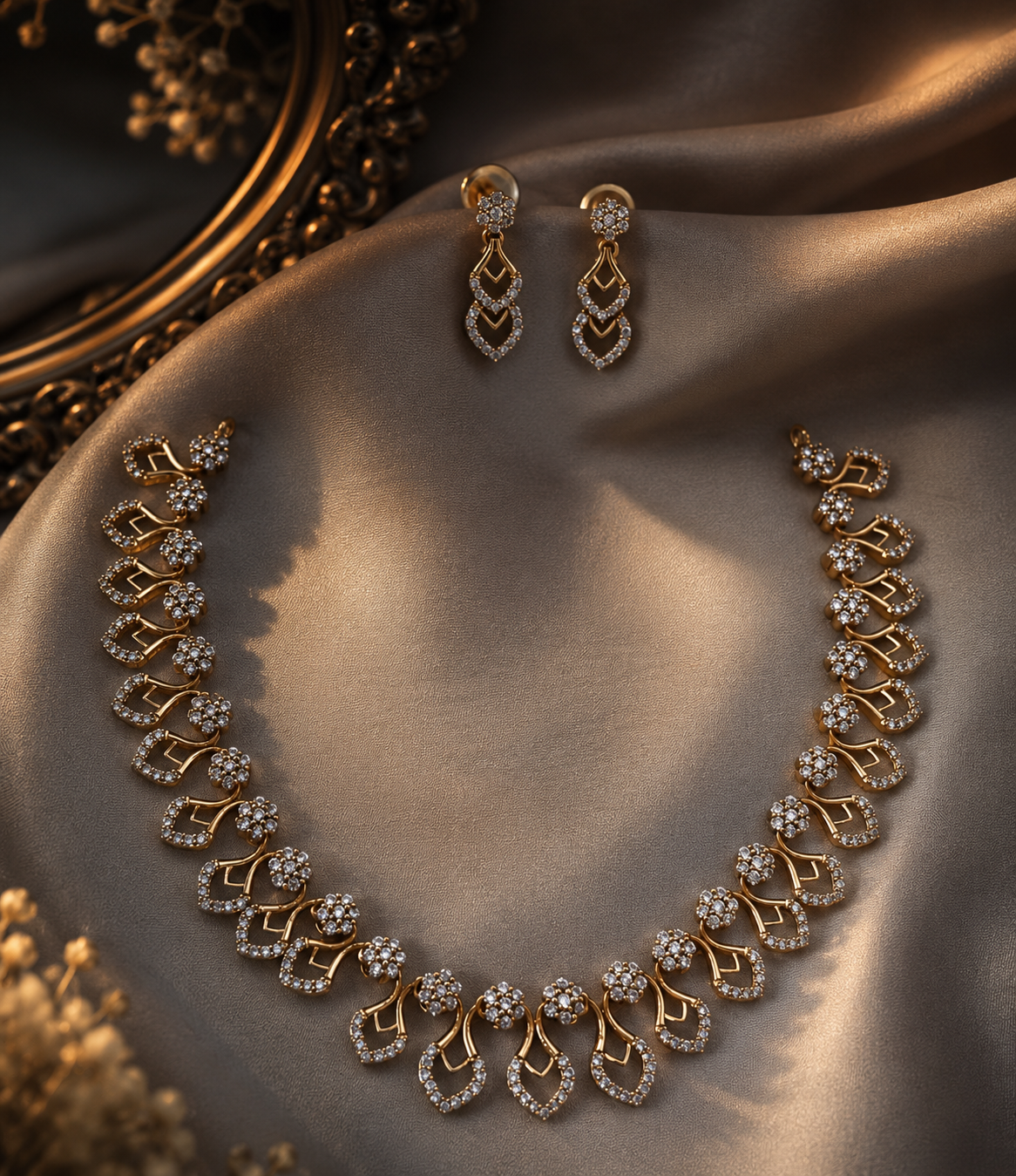
The tiers: costume/fashion jewellery (£5–£25) — base metals with plating microns thin; fine jewellery (£200+) — solid gold/silver; demi-fine (£30–£150) — the sweet spot: sterling silver or gold vermeil (thick gold plating over silver, legally defined — “vermeil” must be 2.5 microns over sterling silver) with good design. Demi-fine pieces last years with care, don’t turn skin green, and look genuinely luxurious.
Materials to look for: 925 sterling silver (stamped “925”), gold vermeil (gold over sterling silver, 2.5+ microns), gold-filled (mechanically bonded gold, even more durable than vermeil), and solid 9ct gold (the affordable end of fine — small solid gold pieces from £60–£120 are excellent value). Materials to be wary of: “gold plated” without thickness specified (often 0.5 microns — wears off in months), mystery “alloy” bases (nickel allergy risk), and anything that doesn’t stamp or state its metal.
The price-quality curve: £30–£60 buys good silver and decent vermeil; £60–£120 buys excellent vermeil, gold-filled, and small solid gold; past £150 you’re approaching fine jewellery. For most everyday pieces, £40–£80 hits the sweet spot of quality and value.
- Demi-fine (£30–£150): sterling silver, gold vermeil — the sweet spot
- Look for: 925 stamp, vermeil (2.5+ microns), gold-filled, solid 9ct
- Avoid: unspecified “gold plated,” mystery alloys, unstamped metals
- £40–£80: the everyday quality sweet spot
The best UK affordable brands
Monica Vinader (£40–£150): the demi-fine pioneer — personalised pieces, good vermeil, engraving services. Astrid & Miyu (£25–£90): London-based, trend-led, excellent ear game (piercing studios in-store), good quality for the price. Missoma (£40–£130): the fashion-insider favourite — layered necklaces, good vermeil, frequent collaborations.
Edge of Ember (£30–£100): recycled metals, considered design, B Corp pending. Orelia (£15–£50): the budget entry — fashion-led, decent quality for the price, great for trying trends. Dinny Hall (£50–£150): artisanal, handmade in London, timeless silver pieces. Rachel Jackson (£30–£120): playful, well-made, great gifts. Pilgrim (£15–£40): Danish, good design at low prices — the “try the trend” brand.
For solid gold on a budget: Mejuri and Stone & Strand (online, small solid 9ct/14ct pieces £60–£150) offer fine jewellery at demi-fine prices by selling direct. And the high street: & Other Stories and COS do surprisingly good jewellery (£15–£40) — fashion pieces that punch above their price. For the investment question, see gold vs silver value.
Making affordable jewellery last
Care is what separates years from months: remove jewellery for swimming, showering, exercise, and cleaning (chlorine, sweat, and chemicals are the enemies); put it on last (after perfume, hairspray, and lotion — all of which damage plating); store pieces separately (pouches or compartments — chains tangle and stones scratch); and clean gently (warm water, mild soap, soft cloth — never abrasive cleaners on plating).
Tarnish: silver tarnishes naturally (sulphur in air) — it’s not damage, and a silver cloth (£5) restores it in seconds. Store silver in anti-tarnish pouches or with chalk (absorbs moisture). Vermeil wears with time — that’s normal; re-plating (£20–£40) refreshes pieces worth keeping. Rotate pieces rather than wearing one daily — rest days extend plating life enormously.
The green-finger test: if jewellery turns your skin green, it’s cheap base metal with thin plating — fine for a £10 trend piece, unacceptable at £50+. Buy from the brands above and this stops happening. And for cleaning silver specifically, see cleaning tarnished silver at home.
Building a collection strategically
Start with the everyday anchors: small hoop or stud earrings (£30–£50), a delicate necklace (£40–£60), a simple ring or bangle. These three pieces, worn daily, define your jewellery identity — spend the quality budget here. Then add personality: a statement earring, a layered necklace set, a cocktail ring — the pieces that make outfits interesting.
The metal question: pick one primary metal (gold or silver — see skin tone guide for which flatters you) and build around it; mixing metals works but a coherent base looks more intentional. And the gift angle: personalised demi-fine (initials, engraving — Monica Vinader, Edge of Ember) makes superb gifts at £40–£80 — thoughtful, lasting, and impressive without fine-jewellery prices.
Buy less, better: five £60 pieces worn constantly beat twenty £15 pieces that tarnish. The affordable jewellery market rewards the strategic buyer — quality at this price exists, but you have to choose it deliberately over the fast-fashion sparkle.
Jewellery and sensitive skin: the nickel question
Green fingers, itchy ears, rashes from necklaces — usually nickel allergy, one of the most common contact allergies. The fix is material, not price: proper sterling silver (925), solid gold (9ct+), titanium, and niobium are nickel-safe; cheap base metals (“alloy,” “nickel silver” — which contains no silver) are the culprits. EU/UK nickel regulations limit nickel release in jewellery, but cheap imports often ignore them.
Earrings deserve special care: ear piercings react fastest, so earring posts matter most — titanium or niobium posts (£5–£10, sold separately) let you wear any earring design safely by swapping the hooks. For new piercings, heal with implant-grade titanium only — the “sensitive” fashion earrings can wait.
The affordable brands listed above (Monica Vinader, Astrid & Miyu, Missoma) use proper materials — this is part of what you’re paying for versus £5 fast-fashion jewellery. If you react to everything, patch-test: wear a piece taped to your inner arm for 48 hours before committing. And remember: “hypoallergenic” is unregulated marketing — check the actual metal, not the claim.
When to upgrade to fine jewellery
Demi-fine is the sweet spot for most, but some pieces deserve solid gold: the everyday necklace you never remove, wedding and engagement-adjacent pieces, and anything intended as an heirloom. The upgrade path is gradual — replace your most-worn vermeil piece with solid 9ct when the budget allows, starting with small pieces (£60–£120).
The test: if you’ve worn a vermeil piece daily for two years and it’s wearing thin, that’s the piece to upgrade — you’ve proven the cost-per-wear. Don’t upgrade pieces you wear occasionally; the vermeil will last years with light use. Build the fine collection one proven piece at a time, and the demi-fine collection handles everything else beautifully.
What Are the Best Affordable Jewellery Brands in the UK: The Short Answer
Build around Monica Vinader, Astrid & Miyu, Missoma, and Edge of Ember (£30–£130) — look for 925 stamps and vermeil thickness, and invest in everyday anchors over trend pieces. Related reading: Astrid & Miyu jewellery.
One thought on “What Are the Best Affordable Jewellery Brands in the UK?”