
What Colours Suit Pale Skin Tones Best?
What Colours Suit Pale Skin Tones Best?
Dressing pale skin is a specific art: the wrong colours wash you out (beige on pale is a vanishing act), while the right ones make you glow. I’ve got the classic English rose colouring — fair skin, dark hair — and learning my palette transformed how I shop: fewer mistakes, more compliments, and a wardrobe that actually goes together. Wondering “what colours suit pale skin tones best”? You’re not alone — and the real answer is more straightforward than most guides make it sound.
This isn’t about rigid “season” rules (though those help) — it’s practical guidance on the colours that flatter fair skin, the ones to handle carefully, and how to wear the colours you love even when they’re “wrong.”
The colours that love pale skin
Jewel tones are the headline: emerald, sapphire, ruby, amethyst — rich, saturated colours that create beautiful contrast against fair skin. They make pale skin look luminous rather than washed out, which is why jewel tones dominate evening wear advice for fair skin. Navy is the perfect neutral — softer than black against pale skin, endlessly versatile, and flattering on virtually everyone.
Pastels work beautifully when they’re clear rather than muddy: soft pink, lavender, mint, powder blue, peach. The key is contrast with your skin — very pale pastels on very pale skin can blur, so choose pastels with enough pigment to register. Earth tones in the richer register — forest green, burgundy, chocolate, burnt orange — flatter fair skin warmly; the paler earth tones (beige, stone, oatmeal) are the danger zone.
Brights: fuchsia, cobalt, cherry red, and kelly green are spectacular on pale skin — the high contrast is striking and confident. If brights feel like a lot, start with them near the face (scarves, tops) where the effect is strongest, and keep the rest neutral.
- Jewel tones: emerald, sapphire, ruby — the fair-skin champions
- Navy: the perfect neutral, softer than black
- Clear pastels: pink, lavender, mint with enough pigment
- Rich earth tones: forest, burgundy, chocolate
- Brights: fuchsia, cobalt, cherry — high-contrast confidence
The tricky colours (and how to wear them anyway)
Black: the controversial one. Black near a pale face can be stark — emphasising under-eye shadows and washing out the skin. But black is also chic, slimming, and wardrobe-essential. The fixes: break it at the neckline (a scarf, necklace, or open collar between black and face), choose softer blacks (washed black, charcoal), or wear black on the bottom with colour on top. Don’t abandon black; just manage it.
White: stark white can be harsh against very fair skin; off-white, cream, and ivory are almost always more flattering. The difference is subtle on the hanger and obvious on the body. Beige/nude: the vanishing colours — beige close to your skin tone makes you look naked from a distance (unintentionally). If you love neutrals, go darker (camel, taupe, chocolate) or lighter (cream, stone with contrast) rather than skin-matching.
Neons and very pale yellows: neons can work as accents but overwhelm in large doses on fair skin; pale yellow is notoriously difficult — it emphasises sallowness. If you love yellow, go for mustard or golden tones instead. And grey: charcoal flatters; pale grey can wash out — again, contrast is the principle.
Finding your undertone (it matters more than depth)
Pale skin has undertones — cool (pink/red), warm (golden/yellow/peach), or neutral — and undertone determines which colours sing. The vein test: blue/purple veins suggest cool, green veins suggest warm (it’s rough but useful). The jewellery test: silver flatters cool undertones, gold flatters warm. The white test: stark white flatters cool, cream flatters warm.
Cool pale skin: jewel tones, navy, true reds, pinks, purples, emerald — the classic English rose palette. Warm pale skin: earth tones, warm greens, oranges, mustard, camel, warm browns — colours with golden warmth. Neutral: the lucky ones — most colours work, with the depth/contrast rules still applying.
This is the “seasonal colour analysis” system (springs, summers, autumns, winters) in brief — professional colour analysis (£100–£200, having a moment on TikTok) drapes fabrics on you to determine it precisely. It’s a luxury, not a necessity; the vein and jewellery tests get you 80% there. The practical takeaway: learn whether you’re warm or cool, then favour that temperature of colour. It simplifies every shopping decision.
Wearing the “wrong” colours anyway
Love a colour that doesn’t love you back? Wear it away from your face — trousers, skirts, shoes, bags in any colour work regardless of skin tone, because they’re not next to your skin. A beige trouser with an emerald top gives you the neutral you wanted without the washout. Makeup bridges the gap too: blusher and lipstick in flattering tones counteract a draining neckline.
The confidence factor is real and underrated: wearing a colour you love, well-fitted and with assurance, beats wearing your “correct” palette joylessly. These are guidelines, not laws. And lighting matters — check colours in daylight, not just shop lighting (which is designed to flatter the clothes, not you). For the jewellery that sits against your skin daily, see gold vs silver jewellery — undertone applies there too.
Makeup for pale skin: the colour rules
The same undertone logic applies to makeup. Foundation: the most common pale-skin error is foundation too dark or too orange — get matched in daylight, and check the jawline blend, not the hand. Cool undertones suit pink-based foundations; warm suit yellow/golden-based. When between shades, go lighter — too-dark foundation is the fastest way to look mask-like on fair skin.
Blusher and bronzer: blusher in soft pinks (cool) or peaches (warm) adds the life that pale skin needs — the “no-makeup” look on fair skin usually includes blusher, or the face disappears. Bronzer should be subtle: one shade deeper than skin, applied where sun hits — the muddy contour stripe is especially harsh on pale skin. Highlighter on cheekbones and brow bones enhances the luminous quality fair skin does naturally.
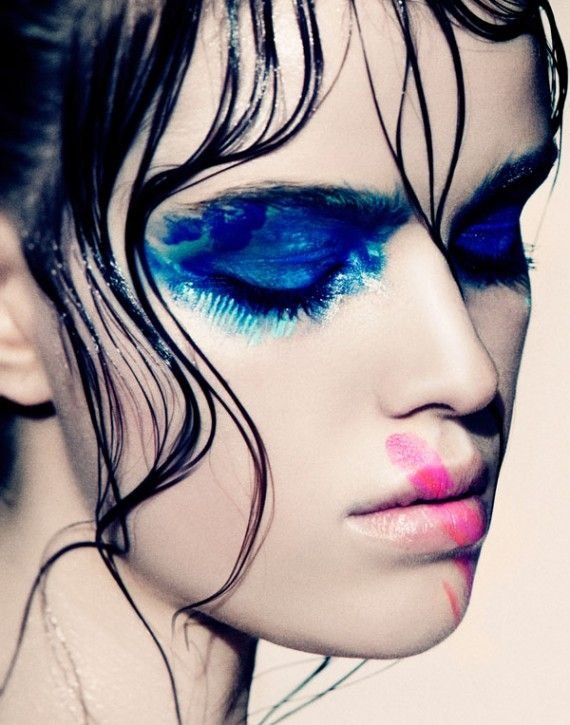
Lips and eyes: classic red lips are spectacular on pale skin (blue-reds for cool, orange-reds for warm); berry tones for evening; nude lips should match your lip colour enhanced, not concealer-pale. Eyeshadow: taupes, soft browns, and greys for day; jewel tones (emerald, sapphire) echo the clothing palette beautifully. And eyebrows: fill to your natural depth — pale brows vanish, and defined brows frame fair faces strikingly. The principle throughout: enhance contrast gently — pale skin’s beauty is luminosity, and makeup should amplify it, not paint over it.
What Colours Suit Pale Skin Tones Best: The Short Answer
Favour jewel tones, navy, clear pastels, and rich earth tones; manage black at the neckline, prefer cream over stark white — and learn your undertone, because it matters more than paleness. Related reading: best affordable jewellery brands and seasonal colour analysis.