
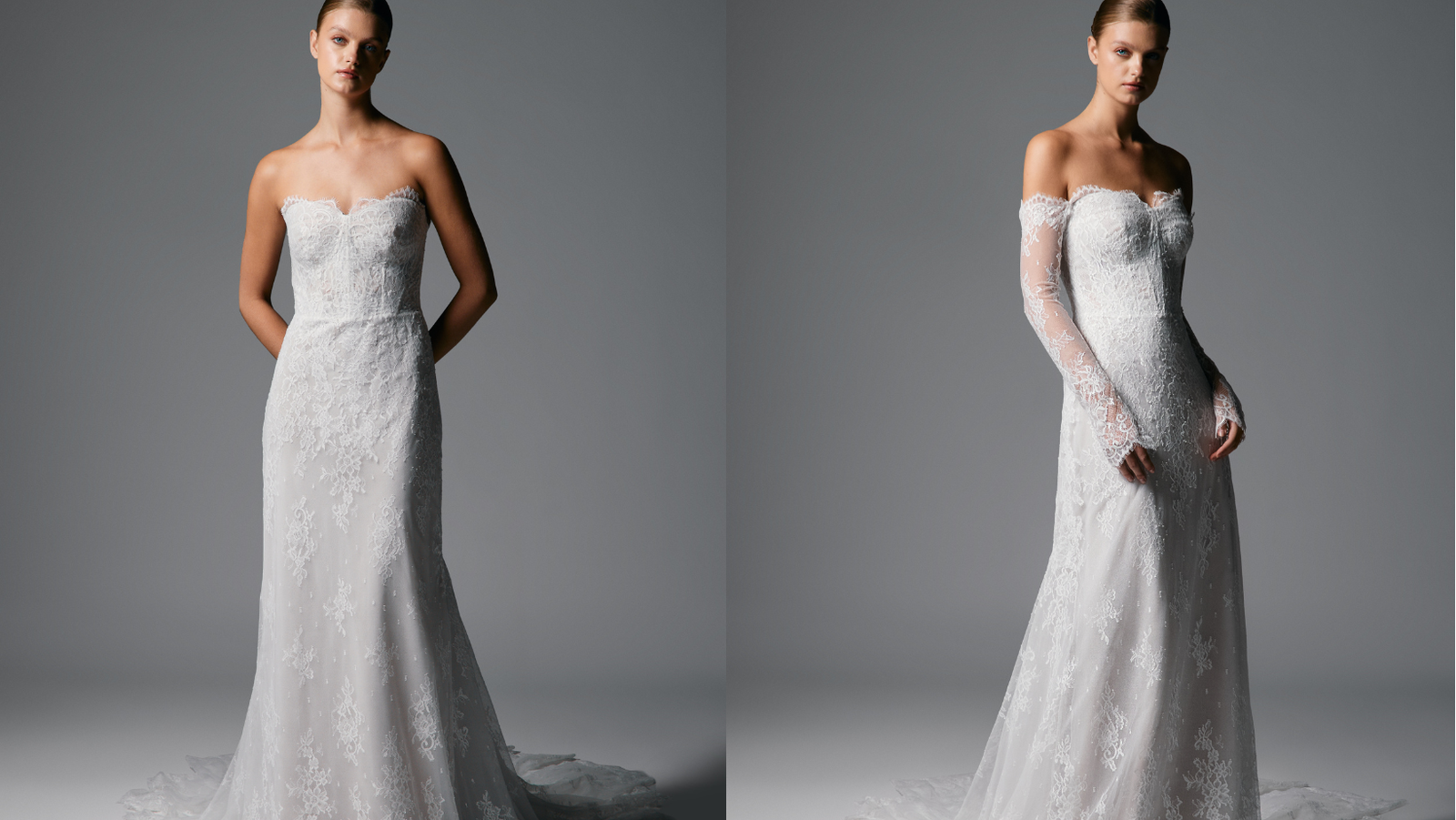
How Do I Wear the Same Dress to Two Weddings Differently?
How Do I Wear the Same Dress to Two Weddings Differently?
Two weddings, one dress — the modern guest’s dilemma. Nobody will judge you for rewearing (sustainability is fashionable, and most guests won’t attend both), but you want to feel different, and the photos shouldn’t look like a copy-paste. I’ve worn the same navy midi to three weddings, and nobody noticed — because each time it was effectively a different outfit. “how do I wear the same dress to two weddings differently” — let’s get into it properly, with the detail and straight talking the question deserves.
The secret: people register the overall impression, not the dress. Change the accessories, hair, shoes, and layers, and the dress becomes a canvas, not a repeat. Here’s exactly how.
The transformation toolkit
Accessories do 80% of the work. Wedding 1: gold jewellery, nude heels, clutch, hair up. Wedding 2: silver/pearl jewellery, coloured heels (or block heels), different bag, hair down with waves. The dress is identical; the impression is completely different. Jewellery especially: a statement necklace vs delicate layers vs bold earrings (never all three — pick one focal point) changes the neckline’s whole character.
Shoes transform the formality: heels vs block heels vs dressy flats create different silhouettes and vibes. Bags: clutch vs small crossbody vs vintage-style bag. Wraps and layers: a pashmina vs a blazer vs a cropped jacket vs nothing — each creates a different line. Even the undergarments matter: different shapewear or neckline solutions change how the dress sits (see shapewear guide).
- Change: jewellery metal and style, shoes, bag, hair, wrap/layer
- Statement necklace vs earrings vs bracelet — pick one focal point
- Different shoe styles = different formality and silhouette
- Photograph each version — you’ll see the difference clearly
Hair and makeup: the biggest transformers
Hair changes the whole head-and-shoulders impression that dominates photos. Wedding 1: elegant updo (shows the dress neckline, reads formal). Wedding 2: loose waves or sleek straight (reads modern, relaxed). Or: side-swept, half-up, braided details, vintage waves — each creates a different person in photos. If you usually wear your hair one way, the other way alone transforms the look.
Makeup: shift the focus — bold lip + neutral eye vs smoky eye + nude lip vs fresh natural with glowing skin. Different lip colours photograph as different outfits more than you’d expect. And nails: different polish colours are a small detail with surprising photo impact (your hands appear in bouquet, champagne, and dancing shots).
The practical tip: do a full trial of look 2 before the wedding — photograph it in daylight, compare with wedding 1’s photos, and confirm they read differently. What feels different in the mirror sometimes photographs similarly; the camera is the judge. For the budget side, see wedding guest outfit costs.
Choosing the right dress for rewearing
Some dresses rewear better than others. Best candidates: solid colours in classic shades (navy, burgundy, emerald, black) — patterns and very distinctive prints are more memorable; simple, elegant cuts without extreme distinctive details (an asymmetric one-shoulder is gorgeous once, recognisable twice); quality fabric that holds up (you’ll wear and wash it more); and a neckline that takes different jewellery (scoop, v-neck, and strapless all style multiple ways; a high embellished neckline offers fewer options).
The two-wedding test when buying: “Can I picture this with gold and with silver? With hair up and down? With a wrap and without?” If yes to all, it’s a rewear champion. Avoid: white/cream (obviously), very trendy details (they date and they’re memorable), and anything uncomfortable — you’ll wear it twice as much, so comfort matters doubly.
Between weddings: clean and press the dress properly (see dry cleaning costs), repair any damage, and store it well. A dress worn to two weddings needs to look new at the second — the steamer and the dry cleaner are your allies. And if the weddings are close together, ensure enough time for cleaning between them.
The social side: owning the rewear
The anxiety about rewearing is mostly internal — in practice, almost no one notices or cares, and those who do increasingly admire it. Sustainability is a compliment now, not a confession. If someone mentions it (rare), “I love this dress — why wear it once?” is the perfect response: confident, true, and conversation-ending.
The exceptions: don’t rewear to weddings with heavily overlapping guest lists where it’ll be photographed identically (same group shots, same venue) — even then, the styling tricks above usually suffice. And for family weddings where a particular relative comments on everything: style it maximally differently or choose another dress for peace. Life’s too short for outfit anxiety at family events.
The bigger picture: rewearing is the future. Rental, restyling, and rewearing are mainstream now — the one-wear outfit is increasingly seen as wasteful rather than glamorous. Wearing a beloved dress brilliantly twice is more stylish than two forgettable single-wear outfits. Own it.
The wedding-season accessories capsule
If you’re doing multiple weddings, build a small accessories capsule that restyles everything: two jewellery sets (gold + silver/pearl — covers all dress colours), two shoe options (nude heels + coloured or metallic block heels), two bags (clutch + small crossbody), three wraps (pashmina in a neutral, a blazer, a cropped jacket), and two hair approaches (up + down, with the accessories for each — clips, bands).
This capsule — maybe £100–£150 total, much of it already owned or second-hand — restyles any dress across any number of weddings. The maths: three weddings × restyled = nine effective outfits from three dresses (or fewer). It’s the highest-leverage wedding spending there is, because accessories transform while dresses merely repeat.
Store it as a kit: the wedding box with everything in one place, ready to grab. Before each wedding, lay out the dress with that event’s accessories, photograph it, and compare with previous weddings’ photos. The system removes decision fatigue and guarantees variety. After wedding season, the capsule serves every future occasion — christenings, parties, race days. It’s not wedding spending; it’s occasion infrastructure.
What if the weddings are close together?
Back-to-back weddings (two weekends running) add logistics: ensure enough time for dry cleaning between them — book the cleaner immediately after wedding one, or hand-wash if the fabric allows. Steam at home as backup (£25 handheld steamer — the wedding guest’s best friend). Check for damage after the first outing: loose threads, small stains, stretched seams — fix before wedding two, not during.
If the guest lists overlap heavily, lean harder into the transformation: different hair, different jewellery metal, different shoes, and ideally a wrap or layer that changes the silhouette. Photograph both looks side by side before wedding two — if you can’t tell it’s the same dress at a glance, neither will anyone else.
How Do I Wear the Same Dress to Two Weddings Differently: The Short Answer
Same dress plus different jewellery metal, shoes, hair, and wrap equals a different outfit — photograph both versions to confirm, and own the rewear confidently. Related reading: By Rotation clothing rental.