
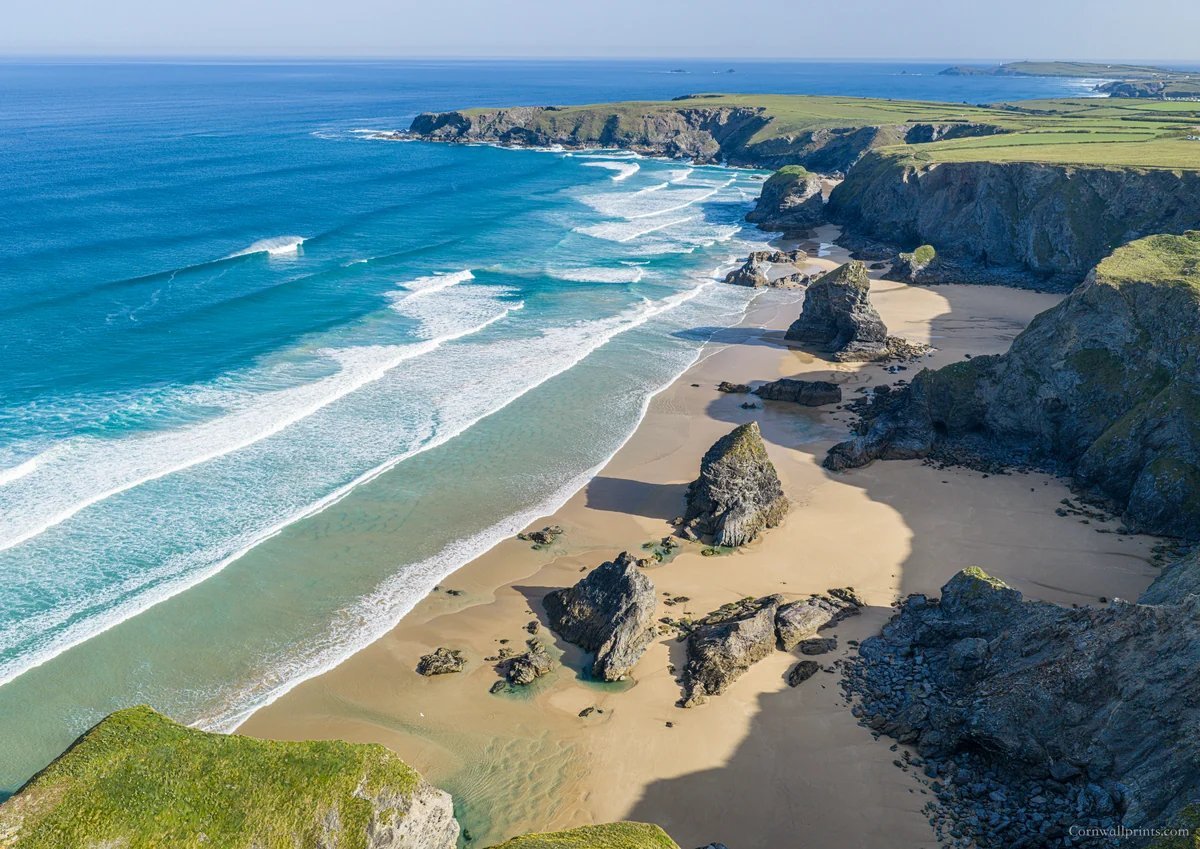
When to Visit Cornwall to Avoid the Crowds (Month-by-Month Guide)
When to Visit Cornwall to Avoid the Crowds (Month-by-Month Guide)
Cornwall in August is many wonderful things, but peaceful isn’t one of them. The A30 becomes a car park, St Ives is shoulder-to-shoulder, and you’ll queue 40 minutes for a pasty. So when is the best time to visit Cornwall to avoid crowds while still getting decent weather? Here’s the honest month-by-month breakdown.
The short answer: May, June and September
If you want the golden formula — warm enough to swim (if you’re brave), everything open, half the crowds — book late May, June or September. These are Cornwall’s secret-season months:
- Late May: wildflowers everywhere, sea warming up, schools still in. My personal favourite time.
- June: longest days, gardens at their peak (Trebah, Glendurgan, the Lost Gardens of Heligan), and the crowds haven’t arrived yet.
- September: the sea is at its warmest after summer, the light is gorgeous, and the kids are back at school. Surfers love September.
Month by month
January–March: wild and empty
Cornwall in winter is dramatic — crashing Atlantic storms, empty beaches, roaring pub fires. Many attractions and restaurants close or reduce hours, and the weather is a lottery. But if you want solitude and don’t mind a waterproof, it’s magical and dirt cheap. The National Trust coastal walks are at their most atmospheric.
April: spring awakening
Easter can be busy (it’s a school holiday), but the rest of April is lovely — daffodils, lambs, mild days. A very good crowd-avoidance bet outside Easter week itself.
May: the sweet spot begins
Early May bank holiday brings a surge, then it calms right down. Late May is, in my view, the single best time to visit Cornwall: warm days, cool nights, everything open, beaches half-empty.
June: peak conditions, pre-peak crowds
Arguably the best all-rounder. Sea temperatures climb, daylight stretches past 9:30pm, and the summer hordes haven’t arrived. Book accommodation early anyway — savvy travellers know about June.
July: the build-up
Getting busy, especially the last two weeks as schools break up. Prices rise. Still fine if you avoid the honeypots (St Ives, Newquay, Padstow) at midday.
August: avoid if you can
The honest truth: August in Cornwall means traffic, booked-out restaurants, and premium prices. If August is your only option, stay west (Penzance, St Just, the Lizard) or on the quieter north coast, and do beaches before 10am or after 4pm.
September: the insider’s month
Warm sea, harvest festivals, thinning crowds. September might actually beat June — the water’s warmer and the light is softer. Strong recommend.
October–December: cosy season
October half-term is busy; November is wonderfully quiet. December brings Mousehole’s famous Christmas lights and a festive, local feel. Storm-watching from a clifftop cottage with a log burner is a legitimate holiday.
Crowd-dodging tactics that work year-round
- Go west. Most visitors cluster around St Ives, Newquay and Padstow. West Penwith (St Just, Sennen, Porthcurno) and the Lizard Peninsula stay quieter even in August.
- Walk 10 minutes. The South West Coast Path empties remarkably fast — walk ten minutes from any car park and you’ll have the cliffs to yourself.
- Time your beaches. Before 10am and after 4pm, even popular beaches breathe easier.
- Eat early or late. Book restaurants for 6pm or after 8:30pm to dodge the family-rush queues.
- Visit Eden Project and big attractions on changeover days (typically Saturdays) when holidaymakers are travelling.
What about the weather gamble?
Cornwall’s climate is mild but changeable — it can rain in August and hit 20°C in October. The shoulder months aren’t dramatically wetter than summer; they just have shorter days. Pack layers and a proper waterproof whatever month you choose, and check the Met Office forecast the night before rather than trusting a seasonal average.
The bottom line
For the best balance of weather, open attractions and breathing room: late May, June or September. You’ll pay less for accommodation, park without a fight, and actually hear the sea. August Cornwall is a rite of passage, but the clever money goes in the shoulder season — and once you’ve had a Cornish beach to yourself in September, you’ll never go back.
Cornwall’s hidden seasons: what the locals know
Ask a Cornish local when they go to the beach and the answer is September — or even October. The sea temperature peaks in early September (around 16–17°C, positively balmy by British standards) while the crowds vanish overnight when schools return. Surfers know this: autumn swells are better than summer’s, and the line-ups thin dramatically.
There’s also “storm season” tourism — November to February, when people come specifically to watch Atlantic storms from clifftop cottages. Porthcurno, Sennen and Pendeen in a gale are spectacular, and pubs with sea views do a roaring trade. It’s not beach weather, but it’s an experience — and accommodation costs a third of August prices.
The other local secret: Cornwall’s gardens are best in spring. The Lost Gardens of Heligan, Trebah and Glendurgan hit peak rhododendron and magnolia in April–May — arguably more impressive than any beach, and the spring crowds are a fraction of summer’s.
Cornwall FAQs
Is Cornwall good in the rain? Yes, with the right plan: the Eden Project, Tate St Ives, the National Maritime Museum in Falmouth, and about fifty excellent pubs. Pack waterproofs and treat rain as an excuse for the indoor stuff.
How do I get around without a car? The coastal bus services (First Kernow) connect major towns; the St Erth–St Ives branch line is one of Britain’s prettiest train rides. But rural Cornwall without a car is limiting — consider basing in St Ives, Falmouth or Penzance (good public transport hubs).
Are dogs allowed on Cornish beaches? Many beaches have seasonal dog bans (typically Easter–October, 10am–6pm). Check the specific beach — Cornwall Council’s website lists restrictions. Plenty of beaches are dog-friendly year-round.
When do I need to book accommodation? For August: 6+ months ahead. For June/September: 2–3 months. For winter: weeks. Campsites and holiday parks book out fastest; self-catering cottages next; hotels usually have late availability.
Related reading
More trip ideas: the best day trips from London by train and seeing the Lake District without a car. For deals, check the VisitBritain seasonal guides.