
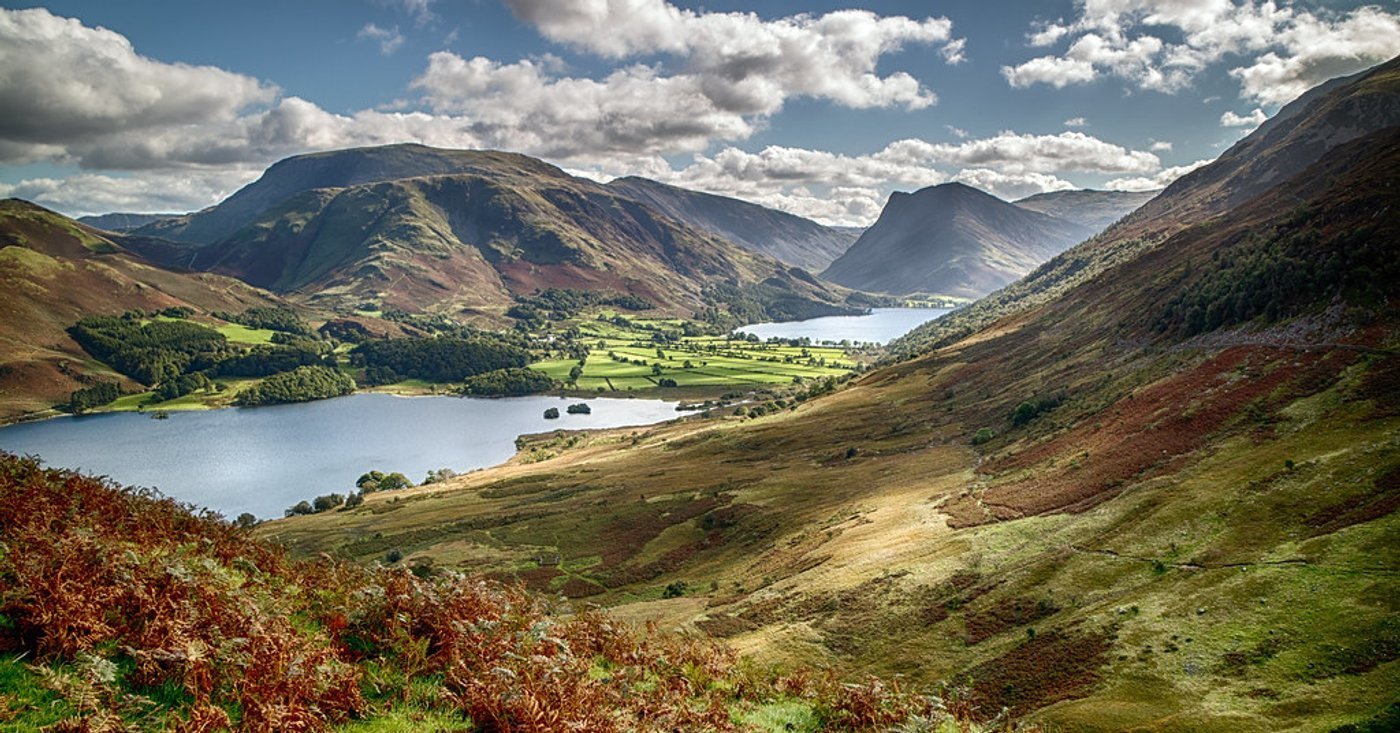
How to See the Lake District Without a Car: The Complete Guide
How to See the Lake District Without a Car: The Complete Guide
The Lake District without a car sounds like a contradiction — isn’t it all winding lanes and remote valleys? Actually, no. Some of the Lakes’ best bits are easier without a car, because you skip the summer parking nightmare at places like Bowness. Here’s the best way to see the Lake District without a car, from someone who’s done it by train, bus and boot leather.
Getting there: the train is easy
Avanti West Coast runs direct trains from London Euston to Oxenholme Lake District in about 2h 45m, and to Penrith in about 3h. Book advance tickets — I’ve paid £25 each way from London, versus £80+ on the day. From Oxenholme, the scenic branch line runs to Windermere (20 minutes), dropping you right in the heart of the central Lakes.
From the north, Penrith is the gateway to Ullswater and the quieter eastern Lakes. Both stations have bus connections waiting outside.
Base yourself somewhere connected
Your choice of base makes or breaks a car-free trip:
- Windermere / Bowness: the most connected — buses radiate to Ambleside, Grasmere, Coniston and Keswick. Tourist hub, busy in summer, but unbeatable for transport.
- Keswick: best for walkers — Catbells, Skiddaw and Derwentwater are on foot or by launch. Good bus links north and south.
- Ambleside: central, walkable, charming — great middle ground.
- Grasmere: prettiest village, Wordsworth’s home, decent bus service.
Book accommodation near a bus stop or the station — check Stagecoach routes when choosing. For typical costs, see our guide to B&B prices in the Lake District.
The bus network is genuinely good
Stagecoach’s open-top 599 service runs Bowness–Windermere–Ambleside–Grasmere, and it’s a sightseeing tour in itself. The 555 connects Lancaster–Kendal–Windermere–Ambleside–Keswick. In summer, extra services reach Buttermere, Borrowdale and Wasdale.
Get a Stagecoach day rider (around £10–£12) for unlimited travel — it pays for itself with two journeys. Buses are timed for walkers, with early starts and late returns in season. Download the Stagecoach app for live times; rural buses do occasionally run late, so build in buffer.
Lake steamers and launches
Don’t overlook the water. Windermere Lake Cruises run between Bowness, Ambleside (Waterhead) and Lakeside — and your cruise ticket doubles as transport. Keswick Launch does a circular Derwentwater service with jetties at walking-trail heads: ride to one jetty, walk back along the shore. Ullswater Steamers connect Pooley Bridge and Glenridding with some of the finest mountain scenery in England. These aren’t just tourist boats; they’re a legitimate, delightful way to get around.
Walking: the real transport
Here’s the secret car drivers miss: the central Lakes are designed for walking between villages. Ambleside to Grasmere is a lovely 4-mile walk. Rydal Water to Grasmere is 2 miles of pure poetry. Keswick to Borrowdale villages is walkable. Linear walks with a bus or boat back are the car-free traveller’s superpower — you see twice the scenery with none of the parking stress.
What about the remote valleys?
Honest answer: Wasdale, Eskdale and the far western valleys are hard without a car — buses are infrequent (sometimes two a day in summer, none in winter). Options:
- Ravenglass & Eskdale Railway — the little steam railway from Ravenglass reaches into Eskdale; Ravenglass itself is on the Cumbrian Coast railway line.
- Guided minibus tours from Windermere/Keswick cover the far valleys — around £40–£55 for a full day.
- Taxis — expensive for long distances, but splitting a taxi to a remote trailhead with fellow hostel guests works.
Sample 3-day car-free itinerary
- Day 1: Train to Windermere, 599 bus to Grasmere, walk Rydal Water, Dove Cottage.
- Day 2: Bus to Keswick, Keswick Launch around Derwentwater, walk Catbells (a superb half-day fell).
- Day 3: Windermere cruise to Lakeside, Lakeside & Haverthwaite Railway, bus back.
The bottom line
You can absolutely do the Lake District without a car — base yourself in Windermere, Ambleside or Keswick, lean on the 555/599 buses and the lake steamers, and walk between villages. You’ll skip the £10-a-day car parks, the single-track traffic jams and the designated-driver problem. In peak season, I’d argue car-free is not just possible but better.
The Lakes without a car in winter: what changes
Winter (November–March) is the car-free traveller’s secret season — and its biggest challenge. The good news: trains run year-round, accommodation is half the summer price, and you’ll have the fells to yourself. The bad news: bus services shrink dramatically — the 599 open-top stops, Sunday services thin out, and some routes drop to 2–3 buses a day.
Winter strategy: base yourself in Keswick or Windermere (the best winter bus coverage), plan around the reduced timetable (screenshot it — rural signal is patchy), and lean on walking — the valley walks (Rydal Water, Derwentwater shore, Tarn Hows) are glorious in winter light and start from your doorstep. Pack proper waterproofs, a headtorch (it gets dark at 4pm), and microspikes if you’re heading high — ice on fells is no joke.
The winter advantage nobody mentions: pubs with fires. After a cold walk, a pint by a Lakeland pub fire is one of life’s great pleasures — and in winter you can always get a seat. Summer visitors queue for that experience.
Car-free Lakes FAQs
Can I get to Wasdale (Scafell Pike) without a car? It’s the hardest valley: summer buses run from Ravenglass (reached by the Cumbrian Coast railway line), but they’re infrequent. Most car-free Scafell ascents use guided minibus tours from Keswick or stay at Wasdale Head’s inn/hostel (book the bus in advance). Honestly, for Scafell specifically, consider joining an organised group.
How do I carry walking gear on buses? Buses have luggage space — boots in a bag, poles collapsed. Sit downstairs near the front if you’re muddy; drivers appreciate it.
Are the lake steamers wheelchair accessible? Windermere Lake Cruises’ larger boats are accessible; Keswick Launch has limited accessibility — check with operators before travelling.
What’s the cheapest way to do it? Advance train tickets + YHA hostels + Stagecoach day riders + self-catering. A 3-day trip can be done for £150–£200 excluding food if you book trains early.
Is wild camping an option? Technically tolerated above the fell wall in the Lakes (the only place in England with this tradition), but it’s for experienced hill-goers with proper gear — not a budget accommodation hack for beginners.
Related reading
For accommodation costs, see our breakdown of B&B prices in the Lake District, and for more car-free inspiration, the best day trips from London by train.