
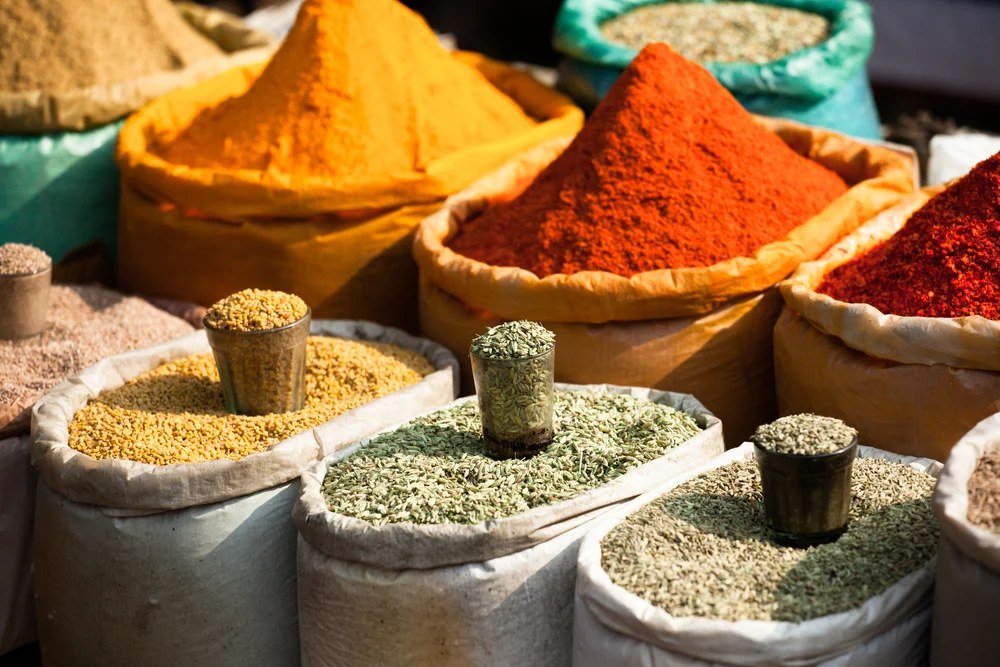
The Only 12 Spices You Need for a Basic Indian Kitchen
Walk down the spice aisle and it’s overwhelming: dozens of jars, unpronounceable names, and no clue where to start. Most beginners either buy three random jars or panic-buy twenty. Neither works. After years of cooking Indian food at home, I can tell you that a basic Indian kitchen needs just 12 spices — and with them, you can cook about 95% of everyday curries, dals and rice dishes.
The essential 12 spices for a basic Indian kitchen
The non-negotiable core (buy these first)
- Ground cumin — warm, earthy, in practically everything. The backbone of most curry powders.
- Ground coriander — citrusy and mild; pairs with cumin in a roughly 2:1 ratio in countless recipes.
- Turmeric — colour and gentle earthiness. Also genuinely good for you, if you believe the hype (some of it’s real).
- Garam masala — the finishing blend: warming, aromatic, added at the end of cooking. Every brand tastes different; try a few.
- Chilli powder or flakes — heat. Kashmiri chilli powder gives colour without blow-your-head-off heat; standard chilli powder is fiercer.
- Mustard seeds (black) — popped in hot oil at the start of South Indian-style dishes; nutty and pungent.
The second tier (buy next)
- Whole cumin seeds — for tadka (tempering); a different, deeper flavour than ground.
- Cardamom (green pods) — sweet, floral, essential in biryanis, chai and many creamy curries. Expensive but a little goes a long way.
- Cinnamon sticks — warming sweetness in biryanis, pilaus and slow-cooked meat curries.
- Kasuri methi (dried fenugreek leaves) — the secret restaurant flavour. Crush and add near the end.
- Bay leaves — background depth in rice dishes and slow curries.
- Cloves — powerful; use sparingly in biryanis and garam masala-style blends.
What you DON’T need yet
Asafoetida, amchur (dried mango powder), black cardamom, mace, nigella seeds, ajwain — all wonderful, all unnecessary for a beginner. You’ll know when you need them because a specific recipe will call for them. Buying exotic spices “just in case” is how cupboards end up full of dusty jars from 2021. Start with the 12, add one at a time as recipes demand.
Where to buy spices cheap in the UK
This matters more than people realise. A 40g jar of cumin at a big supermarket costs £1.50-£2.50. The same spice at an Asian supermarket or market stall: 200-400g for £1.50-£3. The quality is often better too, because turnover is higher and the stock is fresher. If you have a South Asian grocery nearby — and most UK towns do — buy your spices there. You’ll save a fortune and cook better food.
Online, shops like Natco, Red Rickshaw and even Amazon’s Asian grocery sellers offer good value on larger bags. Just check the packaging date if you can; ground spices fade after about a year.
Storing spices properly
- Airtight, dark, cool. Light and heat kill flavour. Not above the cooker — the worst spot in most kitchens.
- Buy small if you cook rarely. A 400g bag of turmeric is only a bargain if you use it before it goes stale.
- Whole spices last longer. Cumin seeds stay potent 2-3 years; ground cumin fades in 6-12 months. A cheap spice grinder (£15) pays for itself.
- Date your jars. A bit of masking tape and a marker. Future you will be grateful.
Beyond spices: the supporting cast
Spices alone don’t make a curry. Your basic Indian kitchen also wants: basmati rice, red lentils (for dal), tinned tomatoes, onions (lots), garlic, fresh ginger, green chillies, fresh coriander, ghee or neutral oil, and coconut milk. With those plus the 12 spices, you’re equipped for months of cooking — and if you’re wondering whether you can freeze milk, the same batch-cooking mindset applies to coconut milk and base gravies.
Your first shop: the £20 starter kit
At an Asian supermarket, roughly: cumin, coriander, turmeric, garam masala, chilli powder, mustard seeds (£1-2 each for generous bags), plus cardamom and kasuri methi (£2-3). That’s your core for under £20 — and it’ll make 25+ curries. Compare that to a single takeaway order and the economics are laughable. No wonder so many people are also asking which air fryer suits a family of four — the home-cooking revolution is about the kit as much as the ingredients.
For recipe inspiration once you’re stocked, BBC Good Food’s Indian collection is dependable and clearly written for UK kitchens.
Spice-buying mistakes to avoid
Even with the right list, it’s easy to waste money. Buying ground spices in tiny jars is the classic error — you pay £2 for 40g when an Asian supermarket sells 200g for the same price. The exception: if you cook Indian food once in a blue moon, the small jar is actually smarter, because a 400g bag of turmeric going stale in your cupboard is worse value than a small fresh jar.
Ignoring the grind date is the invisible mistake. Ground spices start losing potency immediately; a jar that’s been on a supermarket shelf for a year is a shadow of itself. Asian supermarkets turn stock over fast, which is another reason they’re better. If you want the absolute best flavour, buy whole spices and grind as needed — a £15 electric spice grinder (or a pestle and mortar, if you’re traditional) transforms cumin, coriander and cardamom. The difference between freshly ground and pre-ground cumin is not subtle; it’s the difference between a good curry and a great one.
Storing spices above the cooker deserves repeating because everyone does it. Heat and steam are the enemies — that convenient spice rack by the hob is slowly killing your collection. A dark cupboard or drawer, away from heat, in airtight containers. And buying blends instead of singles when you’re learning: a generic “curry powder” teaches you nothing and locks you into one flavour. Learn the individual spices first — cumin, coriander, turmeric — and you’ll understand what each contributes. Then the blends make sense, and you can even mix your own garam masala when you’re feeling ambitious.
The takeaway
Twelve spices. That’s it: cumin, coriander, turmeric, garam masala, chilli, mustard seeds, cumin seeds, cardamom, cinnamon, kasuri methi, bay, cloves. Buy them at an Asian supermarket, store them away from heat and light, and add new ones only when a recipe demands it. Your cupboard stays lean, your wallet stays happy, and your curries will taste like you know what you’re doing — because you will.