
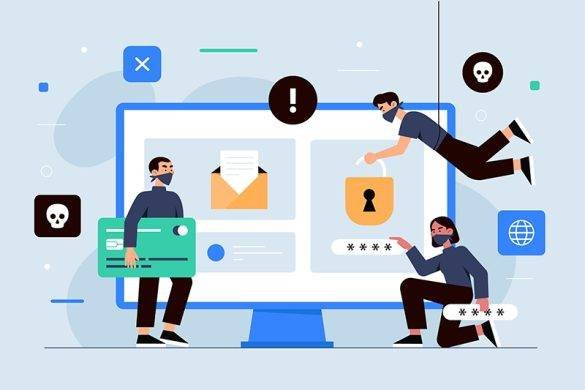
Bank Details Leaked in a Data Breach? Do This Immediately
Bank Details Leaked in a Data Breach? Do This Immediately
What should I do if my bank details were leaked in a data breach? Act today, not next week: stolen bank details get tested by criminals within hours, not months. The steps below take about an hour total, and they’re the difference between a scare and an empty account.
It’s one of those questions that sounds simple until you start digging. Ask three people and you’ll get four different answers — usually because everyone’s situation is slightly different. I’ve pulled together the practical detail below so you can make a decision without spending your whole weekend on comparison sites. If that’s on your mind too, have a look at our guide to how can I tell if an email is a phishing scam — it pairs naturally with everything below.
What should I do if my bank details were leaked in a data breach? First hour
Walk through these in order and you’ll be sorted:
- Call your bank’s fraud line now — not the general number. Tell them your details were in a breach. They can monitor, freeze, or reissue cards and account numbers.
- Change online banking passwords and enable two-factor authentication if you haven’t. Use a unique password — breaches often include passwords too.
- Check recent transactions line by line for anything you don’t recognise, however small. Criminals test with £1-£2 charges first.
- Set up transaction alerts on your banking app so every payment pings your phone — you’ll spot fraud in real time.
- Don’t close the account in panic — your bank may advise keeping it open for monitoring. Follow their guidance.
Here’s where it gets genuinely useful. The theory is fine, but decisions happen in the detail below. Worth a read alongside this: our guide to how much does a video doorbell cost in the uk including installation.
This week: lock down your credit
Register for protective measures with the credit reference agencies. In the UK, you can add a protective registration with CIFAS (£25 for two years) — this flags your file so lenders must take extra steps to verify your identity, making identity theft much harder. It’s the single most effective anti-fraud step most people have never heard of.
Check your credit reports free at ClearScore, Credit Karma and Experian. Look for accounts or searches you don’t recognise — a loan application you never made is the tell-tale sign someone’s using your identity. Dispute anything unfamiliar immediately; the agencies must investigate.
If there’s one mistake I see repeated, it’s rushing this decision on a lunch break and regretting it for eighteen months. Take the extra ten minutes — this section repays it.
Watch for the follow-up scams
The key points, stripped of fluff:
- Fake bank calls: criminals use breach news to phone victims ‘from the bank’s fraud team’. Real banks never ask for your PIN, passwords or to move money to a ‘safe account’.
- Phishing emails: expect convincing fakes referencing the real breach. Verify everything independently.
- Texts about ‘suspicious activity’: don’t click links — open your banking app directly.
- New account fraud: monitor your post for unexpected cards or PINs, a sign someone’s applied in your name.
- Keep records: screenshot everything and note dates — you’ll need it if you claim or report.
Your rights after a breach
Under UK GDPR, the breached company must notify you without undue delay if the breach risks your rights, and notify the ICO within 72 hours. If they failed to protect your data through negligence, you can claim compensation — even for distress without financial loss. No-win-no-fee data breach solicitors handle these routinely, though check their fees carefully.
Your bank must refund unauthorised transactions under the Payment Services Regulations unless they can prove you were grossly negligent. ‘Grossly negligent’ is a high bar — falling for a sophisticated scam rarely meets it. If your bank refuses a refund unfairly, escalate to the Financial Ombudsman Service, which is free and frequently sides with consumers.
Quick answers
Can I handle data breach response myself, or do I need professional help?
It depends on complexity and stakes. Straightforward data breach response tasks are well within DIY territory with a decent guide — most people manage fine and save a packet. But when money, legal compliance or safety are involved, professional help pays for itself quickly. My rule of thumb: DIY when the worst case is a wasted afternoon; call in a pro when the worst case is wasted money or a legal headache.
How much should I realistically budget for data breach response?
More than the headline price, less than the premium option. A sensible budget for data breach response sits in the middle of the market — enough to avoid the cut corners of the cheapest tier, without paying for features you’ll never touch. Add 15-20% contingency for the extras nobody mentions upfront, and you’ll land about right. The people who blow the budget are the ones who budgeted for the advert price instead of the real one.
Is the cheapest data breach response option ever the right choice?
Sometimes — but rarely for the reasons people think. The cheapest data breach response option works fine when your needs are simple and the product is basically a commodity. It falls apart when reliability, support or longevity matter. Ask yourself one question: what’s the cost if this goes wrong? If the answer is ‘a bad afternoon’, go cheap and cheerful. If it’s ‘hundreds of pounds or weeks of hassle’, pay the middle price and sleep well.
Pro tip: when you’re comparing data breach response options, ignore the headline claims and read the worst-case reviews instead. How a company handles problems tells you far more than any advert — and it’s the problems you’ll remember, not the smooth months.
What I’d actually do
Call your bank today, lock your credit with CIFAS, watch for follow-up scams, and know your refund rights. An hour of action now prevents months of misery later — breaches are common, but victims who act fast almost always come out whole.
At the end of the day, the right choice is the one that fits your life and your budget — not the one with the flashiest advert. You’ve now got the facts; trust your judgement. Final thought: the market rewards people who shop around and punishes people who don’t. You’re now in the first group. For the official word, see CIFAS protective registration. ICO: what to do after a data breach is also worth a look for independent comparisons. And if you’re still weighing things up, our guide to what is the best free antivirus for windows in 2026 covers the next question most people ask.