
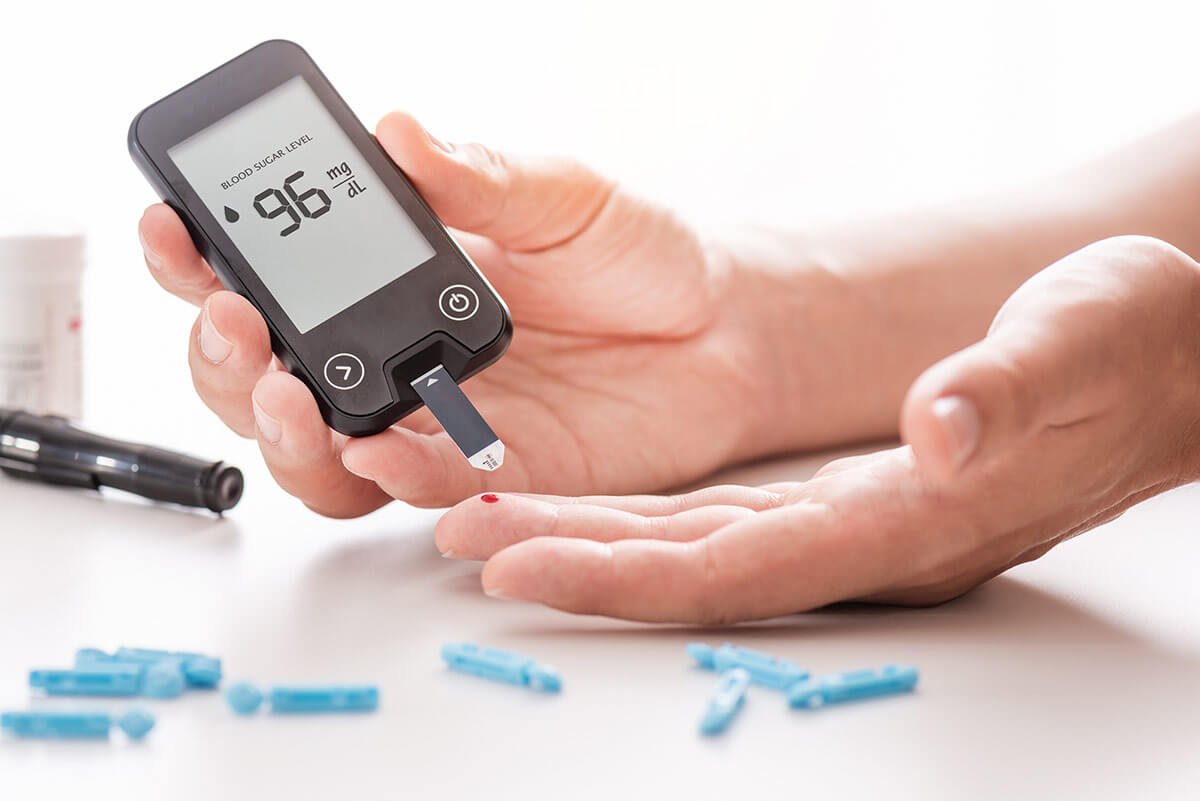
What Are the Early Signs of Diabetes to Watch for?
What Are the Early Signs of Diabetes to Watch for?
Type 2 diabetes doesn’t usually announce itself with anything dramatic. It creeps in — a bit more thirst here, a bit more tiredness there — and most of us blame work, age, or a busy life. I nearly missed it in a family member: she put her constant thirst down to the heating being on too high. It was only when she mentioned it to her GP in passing that a simple blood test told a different story. Wondering “what are the early signs of diabetes to watch for”? You’re not alone — and the real answer is more straightforward than most guides make it sound.
The encouraging news is that type 2 diabetes is often preventable, and even pre-diabetes (when blood sugar is high but not yet in the diabetic range) can be reversed with lifestyle changes. Knowing the early signs gives you the best shot at catching it in time. Here’s what to actually watch for — and when to stop googling and book an appointment.
The classic early signs most people notice first
The most common early symptoms all stem from the same thing: too much sugar in your blood, and your body struggling to deal with it. Needing to wee more often than usual — especially getting up several times a night — is one of the most typical signs. It goes hand in hand with feeling unusually thirsty all the time, because your body is trying to flush out the excess glucose and losing water in the process.
Feeling constantly tired is another big one, and it’s the easiest to dismiss. If you’re sleeping normally but still feel drained by mid-afternoon most days, that’s worth noting. Some people also notice blurred vision that comes and goes, or that cuts and grazes take longer to heal than they used to. Recurring infections — particularly thrush or urinary tract infections — can also be an early clue.
- Needing to urinate frequently, especially at night
- Feeling thirsty all the time, however much you drink
- Unusual tiredness that sleep doesn’t fix
- Blurred vision that comes and goes
- Cuts, grazes, or spots healing slowly
- Recurring infections such as thrush or UTIs
- Unexplained weight loss (more common in type 1)
The subtler signs people often miss
Beyond the headline symptoms, there are quieter signals. Tingling or numbness in your hands or feet can indicate nerve irritation from prolonged high blood sugar. Some people develop patches of darker, velvety skin around the neck or armpits — a condition called acanthosis nigricans that’s linked to insulin resistance. Itchy skin, particularly around the genitals, is another underreported symptom.
Mood changes and difficulty concentrating can also feature, simply because your body’s energy regulation is off. And here’s one that surprises people: intense hunger even after eating. When your cells can’t absorb glucose properly, your brain keeps getting “we’re running on empty” signals. If several of these sound familiar, it’s genuinely worth a check — a simple HbA1c blood test on the NHS can measure your average blood sugar over the past few months.
Who’s most at risk — and when to get tested
Type 2 diabetes risk rises with age (over 40 is the standard flag, or over 25 if you’re of South Asian, African-Caribbean, or Middle Eastern background), but it’s increasingly diagnosed in younger adults too. Being overweight, having a close family member with diabetes, being physically inactive, and having high blood pressure all raise your risk. The NHS Health Check — offered free to adults aged 40 to 74 — specifically looks for early signs of diabetes among other things.
Type 1 diabetes is different: it can appear at any age, comes on quickly (days or weeks rather than months), and its symptoms tend to be more severe — extreme thirst, rapid weight loss, and exhaustion. If you or your child develops these suddenly, don’t wait for a routine appointment; call your GP surgery or NHS 111 the same day. It needs urgent treatment.
What to do if you recognise these signs
First: don’t panic, and don’t try to diagnose yourself from this article. Book a GP appointment and mention the specific symptoms you’ve noticed — “I’ve been getting up three times a night to wee and I’m constantly thirsty” is much more useful than “I think I have diabetes.” Your GP can arrange a blood test, which is quick and definitive.
If you’re told you have pre-diabetes, take it seriously but take heart: it’s a warning, not a verdict. The NHS Diabetes Prevention Programme (Healthier You) is a free, evidence-based programme that has helped hundreds of thousands of people bring their blood sugar back down through gradual diet and activity changes. Losing even 5 to 10 percent of your body weight can dramatically cut your risk of progressing to full diabetes. Small, steady changes beat dramatic overhauls every time.
Pre-diabetes: the window where you can still turn things around
Here’s the genuinely hopeful part of this story. Before type 2 diabetes comes pre-diabetes — blood sugar higher than normal but below the diabetes threshold — and at this stage the condition is often reversible. The NHS estimates millions of people in England have pre-diabetes without knowing it, which means millions of people have a window to act that they’re currently missing.
The changes that work aren’t dramatic. The NHS Diabetes Prevention Programme, a free nine-month course of group sessions, has shown that modest weight loss (5 to 10 percent of body weight), 150 minutes of weekly activity, and cutting back on sugary drinks and refined carbs can halve the risk of progressing to full diabetes. Your GP can refer you if your blood test shows you’re in the pre-diabetes range.
What would I actually do? Swap sugary drinks for water or sparkling water first — liquid sugar is the single worst thing for blood sugar spikes. Then look at portion sizes of white rice, white bread, and pasta rather than eliminating them entirely; smaller portions plus more vegetables on the plate works fine. Add a daily walk. None of this requires a new personality, just a few adjusted defaults. And get retested annually — knowing your HbA1c number and watching it move is motivating in a way vague advice never is.
What Are the Early Signs of Diabetes to Watch for: The Short Answer
Needing to wee often at night, constant thirst, and tiredness that sleep doesn’t fix are the classic early signs — if they persist for weeks, a simple HbA1c blood test gives you a certain answer.
The bottom line
Early diabetes signs are easy to explain away — thirst, tiredness, night-time bathroom trips. The pattern to watch for is persistence: symptoms that don’t lift with rest or a few days of drinking less caffeine. One blood test gives you certainty, and catching it early gives you options. If something in this article rang a bell, call your GP surgery this week.
Since diet plays such a big role in blood sugar control, you may also want to read how to lower cholesterol through diet — the same fibre-rich eating pattern helps with blood sugar too. Related reading: how much exercise you need each week.