
How Do I Lower My Cholesterol Through Diet?
How Do I Lower My Cholesterol Through Diet?
When my GP told me my cholesterol was creeping up last year, my first thought was dread — I’d assumed statins were the only answer. Turns out, diet alone can shift your numbers more than most people realise. The NHS estimates that dietary changes can lower LDL (the “bad” cholesterol) by around 10 to 15 percent in some people, which is often enough to get you back into the safe zone without medication. If “how do I lower my cholesterol through diet” is the question you’ve been asking, here’s the straight answer — practical, honest, and based on what actually works.
This isn’t about a miserable crash diet or cutting out everything you enjoy. It’s about a handful of specific swaps that add up over weeks. Below is the approach that worked for me, backed by what dietitians actually recommend — including the foods that genuinely help, the ones that are mostly marketing, and how to make it stick without hating your meals.
Start with soluble fibre — it’s the real workhorse
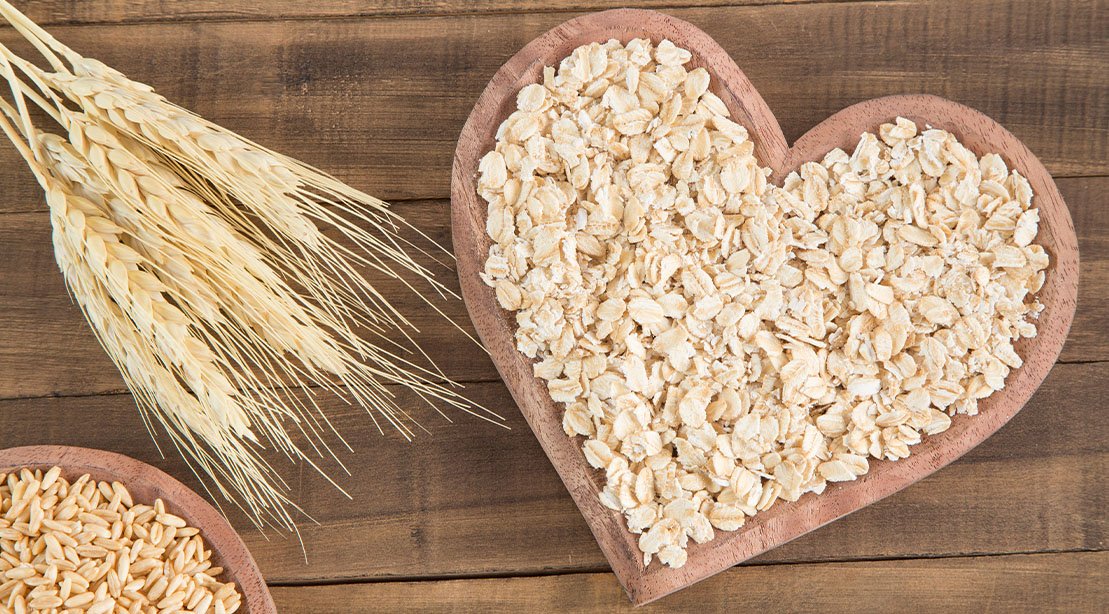
If you remember one thing from this article, make it this: soluble fibre is the single most effective dietary tool for lowering cholesterol. It binds to cholesterol in your digestive system and carries it out before it can enter your bloodstream. Porridge oats are the classic example — about 40g of oats a day (a decent bowl of porridge) provides roughly 1.5g of beta-glucan, the fibre that does the heavy lifting.
I started eating porridge most mornings with a handful of berries and a spoonful of ground flaxseed, and honestly it took less than two weeks to become habit. Other good sources of soluble fibre include beans, lentils, chickpeas, barley, apples, and pears. Aim to build at least one bean or lentil-based meal into your week — a chilli, a dal, a soup. Tinned chickpeas cost pennies and work brilliantly in curries and salads.
- Porridge oats or oat-based cereals — the best-studied cholesterol-lowering food
- Beans, lentils and chickpeas — cheap, filling, and full of soluble fibre
- Barley — try it in soups and stews instead of rice
- Fruit with pips and skins — apples, pears, and berries
- Ground flaxseed — a spoonful on porridge or yoghurt adds fibre and omega-3s
Swap your fats — this matters more than cutting fat
The old advice to eat a “low-fat everything” diet is outdated and mostly unhelpful. What matters is which fats you eat. Saturated fats — found in butter, cheese, fatty red meat, pastries, and coconut oil — raise LDL cholesterol directly. Replacing even some of them with unsaturated fats from olive oil, rapeseed oil, nuts, seeds, and oily fish is one of the most reliable ways to improve your readings.
Practical swaps that don’t ruin your food: cook with olive or rapeseed oil instead of butter or lard, choose oily fish like salmon, mackerel, or sardines once or twice a week, and snack on a small handful of unsalted almonds or walnuts instead of crisps. I still eat cheese — I just treat it as a flavouring now rather than the main event, grating a little over pasta instead of building a meal around it. Full-fat dairy isn’t poison, but if you’re eating it daily in large amounts, it’s worth trimming back.
Watch out for the cholesterol myths
You’ll see plenty of expensive “cholesterol-lowering” products on supermarket shelves — spreads, yoghurt drinks, and supplements with added plant stanols. These do have some evidence behind them, and the NHS acknowledges that products with added plant sterols can lower LDL by up to 10 percent. But they’re pricey, and they work best on top of the basics, not instead of them. A £4 tub of fortified spread won’t undo a diet heavy in takeaways.
Eggs are another area where the advice has shifted. For most people, eating up to a few eggs a week is fine — the cholesterol in eggs has less effect on blood cholesterol than saturated fat does. And don’t fall for the idea that you need exotic superfoods. Avocados and quinoa are lovely, but a bowl of porridge and a tin of beans do the same job for a fraction of the price. The NHS guide to eating less saturated fat is a solid, hype-free starting point.
How long does diet take to lower cholesterol?
This is where patience matters. You won’t see a dramatic change in a week, and anyone promising otherwise is selling something. Most people who make consistent changes see a meaningful shift in their blood test results within three to six months. My own retest was booked at four months, and the nurse specifically asked what I’d changed because the numbers had moved in the right direction.
Keep a light touch on tracking — weigh yourself monthly rather than obsessively, and book your follow-up blood test rather than guessing. Also remember that diet is one lever among several: losing excess weight, quitting smoking, and getting regular exercise all push cholesterol in the right direction too. If you’ve been working on your diet and your numbers still won’t budge, talk to your GP — some people have a genetic predisposition (familial hypercholesterolaemia) that needs medication regardless of how well they eat.
One more practical tip: meal planning for just two or three dinners a week makes an enormous difference. When there’s a plan, you’re far less likely to order the kebab at 9pm. I batch-cook a lentil soup on Sundays and it covers lunches for days — cheap, filling, and genuinely good for the numbers.
What about cholesterol-lowering spreads and supplements?
Walk down any supermarket’s chilled aisle and you’ll see spreads and yoghurt drinks boasting about lowering cholesterol. These contain added plant sterols or stanols, and the evidence is genuine — about 2g a day can cut LDL by up to 10 percent. The catch is the price: a small tub of sterol-enriched spread costs two to three times a standard one, and the yoghurt shots work out at over a pound a day. They make sense as an add-on if your numbers are stubbornly high despite a good diet, not as a substitute for one.
Psyllium husk is the budget alternative nobody advertises. A teaspoon stirred into water or a smoothie adds several grams of soluble fibre for pennies a day, and trials show it lowers LDL modestly. It tastes of nothing and the texture is… an acquired one, but mixed into porridge it’s unnoticeable. Start with a small amount — too much fibre too fast causes bloating, which is the number one reason people abandon it.
One thing to be cautious about: red yeast rice supplements. They contain a naturally occurring statin-like compound and do lower cholesterol, but they’re unregulated in strength, can interact with prescribed statins, and occasionally cause the same muscle side effects. If you’re tempted, talk to your GP or pharmacist first rather than self-prescribing from the internet. Boring, effective, and cheap beats exotic and risky every time.
How Do I Lower My Cholesterol Through Diet: The Short Answer
Eat more soluble fibre (porridge, beans, lentils), swap saturated fats for olive oil and oily fish, and retest in three to six months — diet alone moves cholesterol more than most people expect.
What I’d do first this week
If I were starting again, I’d do three things this week: switch breakfast to porridge with fruit, replace butter with olive or rapeseed oil for cooking, and add one bean-based dinner to the weekly rotation. That’s it. Small, repeatable, and cheap. Then book a follow-up cholesterol check in three to four months so you can see the proof on paper.
For context on the exercise side of the equation, it’s worth checking how much exercise you actually need each week to stay healthy — diet and movement work far better together than either does alone. Related reading: early signs of diabetes.