
Is Selling Without an Estate Agent a Good Idea? Honest Take
Estate agent fees on a £500,000 London sale run £6,000–£9,000. That is a serious incentive to ask: could I just sell it myself? With portals, professional photographers and solicitors all available direct, the DIY route is more feasible than ever — and thousands of sellers try it yearly. But “feasible” and “wise” are different things. Here is the honest assessment of selling without an estate agent in 2026.
What you save — and what it really costs
The saving is obvious: 1–1.5% + VAT stays in your pocket. On £500,000, that is £6,000–£9,000; on £800,000, up to £14,400. For a straightforward flat in a liquid market, that saving is real and significant.
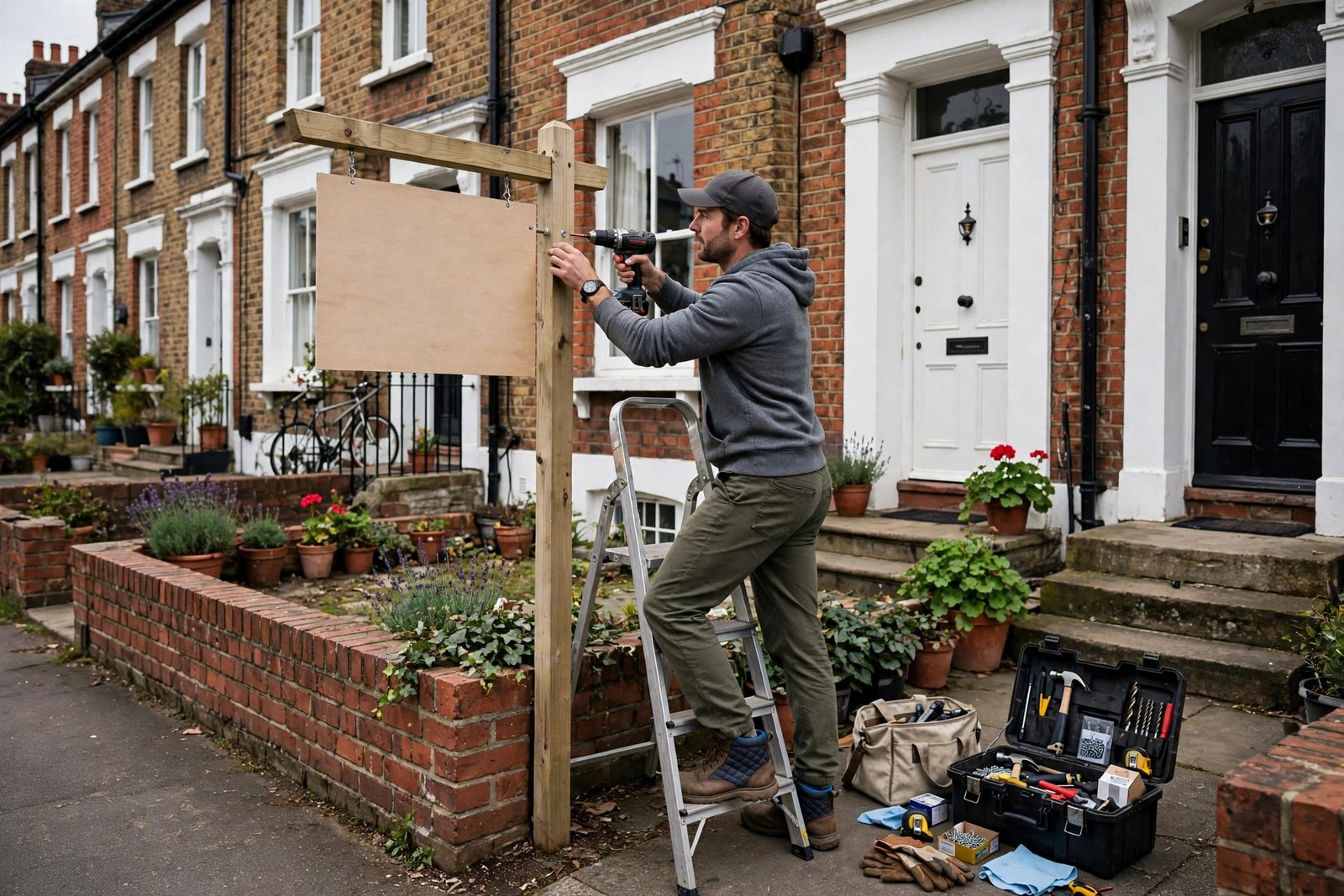
The costs are less obvious: your time (expect 50–100 hours across the sale), portal listing fees (£500–£1,500 for private sellers on the major portals — and note that Rightmove does not accept private listings at all, only Zoopla, OnTheMarket and others do), professional photography (£150–£400, non-negotiable — phone photos cost you far more in lost interest), floorplans (£80–£150), an EPC (£60–£120, legally required), and for-sale board (£50–£100). Budget £1,000–£2,000 in upfront costs before you have had a single viewing.
What you must do yourself
Selling privately means you are the agent. The full job list: valuation (from sold comparables — get this wrong and nothing else matters), listing copy and photography, portal management and enquiries, qualifying buyers (are they chain-free? mortgage agreed?), conducting viewings (evenings and weekends, for weeks), negotiating offers, and — the part most DIY sellers underestimate — progressing the sale through solicitors, surveys and chains to completion.
That last phase is where private sales most often wobble. Chasing solicitors, managing survey renegotiations, keeping chains together and handling the emotional diplomacy between buyer and seller is skilled work. Agents earn their fee here more than anywhere. Ask yourself honestly whether you have the time, temperament and weekday availability for 8–12 weeks of sale progression.
Where DIY selling works well
Hot markets with standard properties
A well-presented two-bed flat in a high-demand area almost sells itself: list it well on the portals, and buyers come to you. In these conditions, the agent’s value-add is smallest and the fee saving largest. If your property would attract multiple bidders anyway, DIY captures the full benefit.
Sellers with relevant skills
If you market properties professionally, negotiate for a living, or have sold before, the learning curve is manageable. Confidence with contracts, comfort with confrontation, and weekday flexibility are the real prerequisites — more than property knowledge.
Sales to known buyers
Selling to a neighbour, family member or tenant? You barely need marketing at all — just a solicitor and an agreed price. Paying a full agent fee here is pure waste. (Still get an independent valuation: family transactions at undervalue create tax and mortgage complications.)
Where it goes wrong
Overpricing without a check
Agents, for all their faults, anchor valuations in sold evidence. Private sellers systematically overprice — emotional attachment plus asking-price browsing equals fantasy figures. An overpriced private listing sits, goes stale, and eventually sells for less than a well-priced agent listing would have achieved. The fee you saved is dwarfed by the price you lost.
No buyer qualification
Agents filter time-wasters: the unmortgageable, the curious neighbours, the chain-tangled. Private sellers show everyone, waste weekends, and accept offers from buyers who cannot proceed — discovering it eight weeks in when the chain collapses. Learning to ask “do you have a mortgage agreement in principle and are you chain-free?” before booking a viewing is essential.
Weak negotiation
Most people are bad at negotiating the sale of their own home — too emotionally involved, too eager to be liked, too quick to accept. Agents negotiate dispassionately and handle the multi-round dance of offers, survey reductions and chain pressure daily. The Which? research on private sales consistently finds negotiation the weakest link.
The hybrid options
It is not all-or-nothing. Online estate agents (£1,000–£2,000 fixed fee) handle listing, negotiation and progression while you do viewings — most of the saving with most of the support. “For sale by owner” platforms bundle portal listings, boards and legal packs for £500–£1,000. And some high-street agents offer reduced fees for sellers who handle viewings themselves.
Whatever route you choose, marketing matters enormously — our guide to cheap marketing tactics has principles that transfer directly to selling a home: great visuals, clear messaging, and meeting buyers where they browse. And budget the move itself with London moving costs so the fee saving is not swallowed by removal bills.
The legal side you cannot skip
DIY selling does not mean DIY conveyancing — you still need a solicitor or licensed conveyancer (£1,000–£2,000), and so does your buyer. You must provide an EPC before marketing, and leasehold sellers must obtain the management pack (£200–£400, takes weeks — order early). If your sale involves a chain, your solicitor coordinates with the others; brief them that there is no selling agent, so they know to communicate with you directly.
Complaints and redress work differently without an agent: you have no ombudsman for your own marketing, so accuracy matters — misdescribing the property (council tax band, lease length, parking rights) creates legal liability. When in doubt, understate. The Property Ombudsman covers agents, not private sellers — another reason to get the details right first time.
Pricing strategy without an agent
Valuation is where private sellers most often fail, so be systematic. Pull sold prices (not asking prices) for the closest comparable properties from the Land Registry and portals — same street ideally, within half a mile at most, sold in the last six months. Adjust for condition, size and tenure differences honestly. Then price slightly below the number your research supports: a well-priced listing generates competition and can achieve over asking, while an overpriced one goes stale and sells below market. The goal is maximum net proceeds, not maximum asking price — and the data shows realistic pricing beats aspirational pricing almost every time.
Conclusion
Selling without an estate agent is a good idea for straightforward properties in active markets, sellers with the skills and time, and sales to known buyers — saving £6,000–£14,000 for 50–100 hours of work. It is a bad idea for unusual properties, difficult markets, or anyone who cannot value dispassionately, qualify buyers ruthlessly and negotiate firmly. The hybrid middle — online agents and FSBO platforms — captures most of the saving with most of the safety. Price it right, photograph it beautifully, and be honest about whether you are the right person for the job.
Frequently Asked Questions
Can I sell my house without an estate agent in the UK?
Yes — it is completely legal. List on Zoopla and OnTheMarket (Rightmove does not accept private listings), arrange your own viewings, and use a solicitor for conveyancing. Budget £1,000–£2,000 for photography, EPC, floorplans and portal fees.
How much can I save selling privately?
£6,000–£14,000 on typical London sales (1–1.5% + VAT agent fees, minus ~£1,500 in DIY costs). The saving is largest on higher-value properties in liquid markets.
What are the risks of selling without an agent?
Overpricing without professional valuation, accepting offers from unqualified buyers, weak negotiation, and struggling with sale progression and chains. Most failed private sales trace to one of these four.
Do I still need a solicitor if I sell privately?
Yes — conveyancing is legally required and cannot be DIY’d safely. Budget £1,000–£2,000 for your solicitor, plus EPC and (for leasehold) management pack costs.