
Is Cavity Wall Insulation Worth It in Older UK Houses?
Is Cavity Wall Insulation Worth It in Older UK Houses?
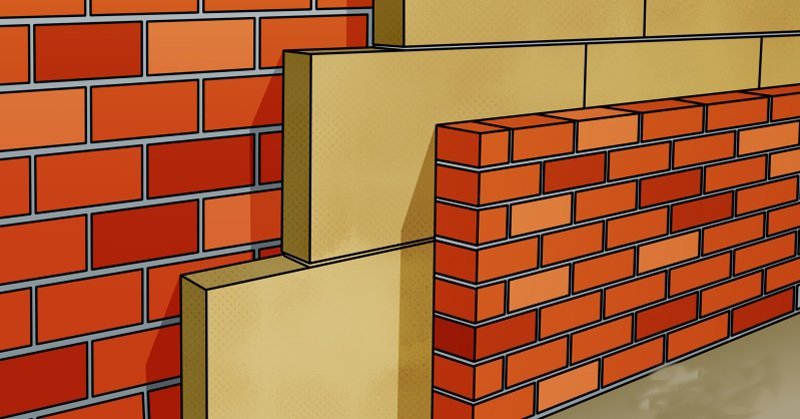
About a third of UK heat loss goes through the walls — and if your house was built between the 1920s and 1980s with cavity walls, filling them is one of the highest-impact upgrades available. But is cavity wall insulation worth it in older UK houses? Mostly yes — with some important caveats for period properties.
First: do you have cavity walls?
- Built 1920s–1980s: probably yes (cavity construction became standard in the 1920s–30s)
- Built before 1920: probably solid walls — cavity insulation isn’t an option (you’d need internal or external wall insulation instead, much pricier)
- Built after 1980s: likely already insulated at construction
Quick check: measure the wall thickness at a door or window. Over 260mm (10 inches) suggests a cavity; under 230mm suggests solid. A professional survey (usually free from installers) confirms it — including whether the cavity is already filled, which happens more often than people think.
Costs and savings
- Typical cost: £500–£1,200 for a 3-bed semi (depends on wall area and access)
- Annual saving: £150–£300 on heating bills (Energy Saving Trust estimates)
- Payback: 2–5 years
- Grants: ECO4 and the Great British Insulation Scheme may cover it fully for eligible households
When it’s absolutely worth it
- Uninsulated cavity walls in a house you plan to keep 5+ years
- Homes with high heating bills and cold walls
- Combined with loft insulation — the two together transform a home’s warmth
- Eligible for grant funding (free is always worth it)
The caveats for older houses (read this)
1. Damp risk in exposed locations
This is the big one. In areas with driving rain (west coast, Wales, exposed hilltops), cavity fill can bridge moisture across to the inner wall, causing damp. A reputable installer assesses exposure — if they don’t mention it, get a second opinion. The RICS advises caution in severe exposure zones.
2. Wall tie condition
Pre-1980s houses may have corroding wall ties. Insulation doesn’t fix this — and some installers won’t insulate until ties are checked. A borescope survey should be part of the assessment.
3. Existing problems get hidden
Cracked render, failed pointing, or leaking gutters should be fixed first. Filling a cavity in a house with water ingress makes everything worse.
4. Guarantee matters
Use a CIGA-registered installer (Cavity Insulation Guarantee Agency) — you get a 25-year guarantee. This is non-negotiable; mortgage lenders ask about it. Verify registration at ciga.co.uk.
5. Listed buildings and conservation areas
May need consent — check with your local planning authority before booking anything.
What about solid-walled older houses?
Victorian and Edwardian solid-wall homes can’t have cavity fill. Options:
- Internal wall insulation: £5,000–£10,000 for a typical house — loses some room space
- External wall insulation: £8,000–£15,000 — transforms appearance (planning issues in conservation areas)
- Both have much longer paybacks — prioritise loft insulation, draught-proofing and heating controls first
The bottom line
For a 1930s–1970s house with empty cavities, not in a severe-rain exposure zone: yes, absolutely worth it — £500–£1,000 installed, £200+/year saved, 25-year guarantee via a CIGA installer. For pre-1920s solid-wall houses, it’s not applicable — spend the money on the loft and draught-proofing instead. And whatever your wall type, fix damp and pointing before insulating, not after.
What if my cavity is already filled? (It happens a lot)
Here’s something installers don’t volunteer: many houses already have cavity insulation and the owners don’t know it. Previous owners may have had it done in the 1980s–2000s (there were big grant schemes), and it’s invisible from outside. Before paying for a survey, check: look for small drill holes in the mortar joints outside (usually in a grid pattern, since filled and repointed) — that’s the telltale sign of injected insulation.
You can also check EPC records (epcregister.com) — the EPC notes wall construction and insulation status. Or ask the previous owners. A borescope survey (£50–£100 standalone) confirms definitively. Paying £800 to fill an already-filled cavity is an embarrassing and entirely avoidable mistake — and yes, it happens, because some companies will happily “insulate” without checking.
Cavity wall FAQs
How long does installation take? 2–4 hours for a typical 3-bed semi — small holes drilled in mortar joints, insulation blown in, holes repointed. Minimal disruption; you don’t even need to leave.
What materials are used? Mineral wool fibre (most common now), EPS beads (polystyrene beads, good for narrow cavities), or polyurethane foam (less common now). All are effective; beads are best for exposed locations as they don’t absorb water.
Can it be removed if there’s a problem? Yes, but it’s expensive and messy (£2,000–£4,000) — which is why the pre-installation assessment matters so much. Removal is rarely needed with proper assessment, but it’s the reason to use a CIGA-registered installer with the 25-year guarantee.
Will it affect my mortgage or insurance? With a CIGA guarantee, no — lenders accept it routinely. Without proper certification, some lenders ask questions. Keep the guarantee certificate with your house documents.
My house is 1900s — solid or cavity? Measure the wall: under ~230mm at a window/door reveal = almost certainly solid; over 260mm = likely cavity. The 1890s–1920s were the transition period — some houses from this era have cavities, some don’t. Only a survey confirms it.
A real example: 1930s semi, before and after
Take a typical 1930s 3-bed semi with empty cavities — the most common candidate in Britain. Installation day: the team drills 22mm holes in the mortar joints in a grid pattern (about 1m apart), blows in mineral wool fibre wall by wall, then repoints the holes to match. You’re looking at 3–4 hours, minimal mess (some dust at the drill points), and you stay in the house throughout. Cost: £600–£900. The difference owners report: walls that no longer feel cold to the touch (the single most noticeable change), bedrooms that hold heat overnight, and heating bills down £180–£260/year. The CIGA guarantee certificate arrives by post within weeks — file it with your house documents. One caveat from real installations: on very windy days, installers may postpone — the fibre can blow back out of the holes before they’re sealed. It’s a half-day job that pays for itself in 3–4 winters and keeps paying for decades.
Related reading
Pair it with loft insulation for the full envelope — and check grant eligibility on GOV.UK.