
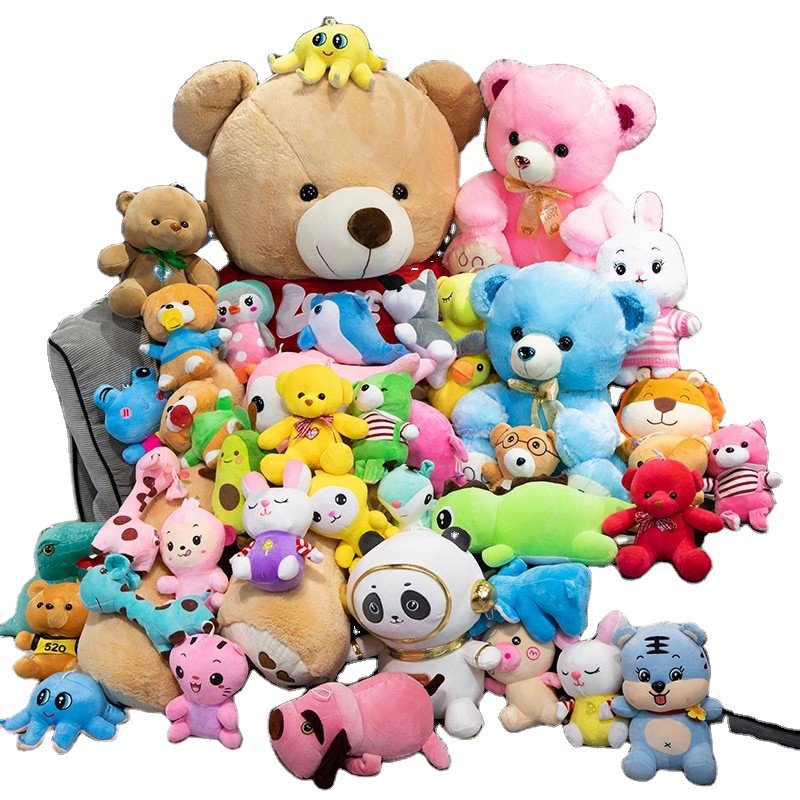
How to Wash Squishmallows: Step-by-Step Guide (2026)
To wash a Squishmallow, put it in a pillowcase or mesh laundry bag, wash on a gentle cold cycle with mild detergent, then air-dry completely — never use a tumble dryer. Squishmallows are machine washable according to the manufacturer, but the key is being gentle: cold water, low spin, and thorough drying to protect the soft filling. This guide covers machine washing, hand washing, spot cleaning, and drying, so your child’s favourite plush comes out clean and still squishy.
Can You Put Squishmallows in the Washing Machine?
Yes — the official Squishmallows care instructions say they can be machine washed. The manufacturer (Jazwares) recommends a gentle cycle with cold water and mild detergent. That said, many parents prefer hand washing for well-loved or older Squishmallows, since repeated machine washing can eventually flatten the filling and wear the fabric. For an occasional wash, the machine is perfectly fine if you follow the steps below.
Method 1: Machine Washing (Step by Step)
- Protect it first. Place the Squishmallow inside a pillowcase and tie or zip it closed, or use a large mesh laundry bag. This stops the plush rubbing against the drum and protects any embroidered details.
- Wash it alone or with light items. Don’t throw it in with jeans, hoodies with zips, or anything rough or heavy. Wash it on its own or with soft items like t-shirts or towels.
- Choose the right settings. Select a gentle or delicates cycle, cold water (30°C or below), and the lowest spin speed your machine offers. Hot water can damage the polyester filling and cause colours to bleed.
- Use mild detergent — and less of it. A small amount of gentle liquid detergent (Fairy Non Bio, Ecover, or similar) is ideal. Skip fabric softener — it coats the fibres and can make the plush feel less soft over time. Never use bleach.
- Skip the extra rinse if your machine offers it. Actually, do use it — detergent residue left in the filling can make it feel stiff. An extra rinse cycle helps wash it all out.
Method 2: Hand Washing (The Gentlest Option)
Hand washing is the safest choice for large Squishmallows (16 inch and above), vintage or rare ones, or any plush with delicate details.
- Fill a clean basin or bathtub with cool water and add a small squirt of mild detergent. Swish to mix.
- Submerge the Squishmallow and gently squeeze the soapy water through it. Don’t wring, twist, or scrub — just press and release.
- Pay attention to grubby spots (usually the bottom and anywhere little hands grip) with gentle squeezing.
- Drain the basin and refill with clean cool water. Rinse by squeezing clean water through until no suds remain — this may take two or three refills.
- Press out excess water by rolling the Squishmallow in a clean dry towel and pressing firmly. Never wring it.
Method 3: Spot Cleaning (For Small Marks)
For a small stain or sticky patch, there’s no need for a full wash:
- Dampen a clean cloth with cool water and a tiny drop of mild detergent.
- Dab (don’t rub) the stained area gently.
- Rinse the cloth and dab again with plain water to remove soap residue.
- Blot dry with a towel and let it air-dry.
Spot cleaning is ideal for food marks, pen dots, or the mysterious sticky patches that appear on children’s toys. For tougher stains, a Dr Beckmann stain remover applied sparingly can help — test on a hidden spot first.
Drying: The Most Important Step
How you dry a Squishmallow matters more than how you wash it. Get this wrong and you’ll end up with a lumpy, musty-smelling plush.
- Air-dry only — never tumble dry. The heat of a tumble dryer melts and mats the polyester fibres and can permanently flatten the filling. The manufacturer specifically warns against it.
- Reshape while damp. After washing, gently fluff and reshape the Squishmallow with your hands, plumping the filling back into place.
- Dry in a well-ventilated spot. Stand it somewhere airy at room temperature — near an open window is ideal. Turn it every few hours so all sides dry evenly.
- Allow plenty of time. A Squishmallow can take 24 to 48 hours to dry right through, longer for big ones. Be patient — putting it back on a bed while still damp inside leads to musty smells and potentially mould.
- Check the middle. Before declaring it done, squeeze the centre firmly. If it feels cool or damp, give it more time. A fan pointed at it speeds things up.
- Don’t dry in direct strong sunlight for long periods — it can fade colours. Gentle indirect light is fine.
How to Deodorise a Squishmallow Without Washing
Sometimes a Squishmallow just smells a bit stale but isn’t actually dirty. Try these freshening tricks:
- Bicarbonate of soda: Put the Squishmallow in a pillowcase with a few tablespoons of bicarb, shake well, leave for a few hours, then shake and brush off thoroughly outside.
- Fresh air: Hang it on the washing line on a dry, breezy day for a few hours. Fresh air works wonders.
- Freezer trick: Seal it in a bag and put it in the freezer overnight. This kills dust mites and can reduce odours (let it come fully back to room temperature before giving it back to your child).
Mistakes to Avoid
- Hot water — damages filling and can cause colours to run.
- Tumble dryer — ruins the texture permanently.
- Bleach or harsh stain removers — damages fabric and can be unsafe for children’s toys.
- Fabric softener — coats fibres and reduces softness over time.
- Wringing — twists and clumps the filling; always press water out gently.
- Radiator drying — direct heat can melt synthetic fibres. Room-temperature air drying only.
Frequently Asked Questions
Can you put Squishmallows in the dryer?
No — never tumble dry a Squishmallow. The heat damages the polyester filling and fabric, leaving it flat and rough. Always air-dry at room temperature, allowing 24–48 hours for it to dry completely.
How often should you wash a Squishmallow?
For a child’s everyday cuddle toy, every 1–2 months is reasonable, or whenever it’s visibly dirty or smelly. Spot clean small marks in between full washes to reduce how often it needs the machine.
My Squishmallow went flat after washing — can I fix it?
Often, yes. While it’s still slightly damp, knead and fluff the filling vigorously with your hands, pulling it back into shape. If it’s still flat once dry, you can carefully open a small seam, add a little extra polyester stuffing (sold at Hobbycraft and Dunelm), and sew it closed.
Can you wash Squishmallows with other stuffed animals?
Yes, as long as they’re all colourfast and none have hard plastic parts, glued-on details, or battery compartments. Each plush should go in its own pillowcase or laundry bag to prevent tangling.
Are Squishmallows safe after washing with detergent?
Yes, as long as you rinse thoroughly. Use a mild, fragrance-free detergent (especially for babies and toddlers who chew their toys) and run an extra rinse cycle to make sure no residue remains in the filling.
Final Thoughts
Washing a Squishmallow is easy once you know the rules: cold gentle cycle in a pillowcase, mild detergent, and — most importantly — patient air-drying. Treat it gently and it’ll stay soft, squishy, and huggable through many washes. Given how much comfort these plush toys bring, they’re well worth the small effort of proper care.