
How to Put Out an Electrical Fire: Step-by-Step Guide (2026)
If an electrical fire starts in your home: don’t use water, turn off the power at the fuse box if it’s safe to do so, and use a CO2 or dry powder fire extinguisher if you have one and the fire is small. If the fire is spreading or you can’t cut the power, get everyone out, close doors behind you, and call 999 immediately. Never put yourself at risk to fight a fire — your life matters more than your property. This guide explains exactly what to do step by step, which extinguishers work on electrical fires, and how to prevent them.
Why Electrical Fires Are Different (and Dangerous)
Electrical fires are Class E fires — they involve live electrical equipment like wiring, fuse boxes, sockets, and appliances. What makes them uniquely dangerous is that water conducts electricity. Throwing water on an electrical fire can electrocute you and spread the fire further. That’s why the rules for electrical fires are different from ordinary fires, and why having the right extinguisher matters.
Common causes in UK homes include overloaded sockets and extension leads, faulty wiring (especially in older properties), damaged appliance cables, and cheap counterfeit phone chargers — a frequent culprit. London Fire Brigade reports that electrical items are one of the top causes of house fires, with thousands of incidents every year.
What to Do: Step by Step
Step 1: Stay calm and assess. Is the fire small and contained (e.g., a plug socket smoking, a small appliance smouldering)? Or is it spreading? Your response depends on the answer. If in any doubt, skip to Step 5.
Step 2: Cut the power — if safe. If you can reach your fuse box (consumer unit) without passing through flames or smoke, switch off the main power. This removes the electricity feeding the fire and makes everything safer. Don’t touch the fuse box if it’s the thing that’s on fire, or if you have to reach through smoke to get to it.
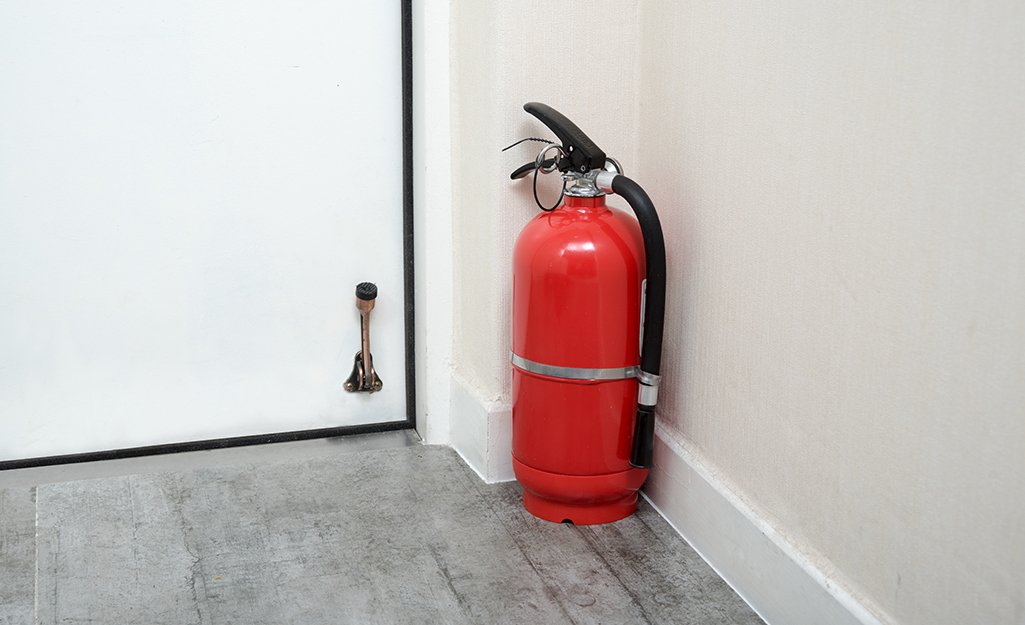
Step 3: Use the right extinguisher — if the fire is small. Only attempt this if the fire is small, you have a clear escape route behind you, and you know how to use the extinguisher. For electrical fires, use:
– CO2 extinguisher (black label) — the best choice for electrical fires. It smothers the fire without leaving residue.
– Dry powder extinguisher (blue label) — also effective on electrical fires, but leaves a messy powder that can damage electronics.
Aim at the base of the flames using the PASS technique: Pull the pin, Aim at the base, Squeeze the handle, Sweep side to side.
Step 4: Smother it if there’s no extinguisher. For a very small fire — say, a plug socket that’s caught — a heavy blanket or fire blanket thrown over it can smother the flames by cutting off oxygen. Every UK home should have a fire blanket in the kitchen (they cost under £15). Do NOT use a damp tea towel on an electrical fire.
Step 5: Get out and call 999. If the fire is growing, there’s heavy smoke, you can’t cut the power, or your extinguisher attempt didn’t work — leave immediately. Close doors behind you to slow the fire’s spread, get everyone (including pets if you can do so safely) out of the house, and call 999 from outside or a neighbour’s. Tell the operator it’s an electrical fire and give your address clearly.
What NEVER to Do
- Never use water. Not a bucket, not a hose, not a wet towel. Water + electricity = electrocution risk.
- Never use a foam or water extinguisher (cream/white label) on a live electrical fire.
- Never touch burning electrical equipment with your hands — use the extinguisher or blanket.
- Never try to unplug a burning appliance by grabbing the plug — cut power at the fuse box instead.
- Never go back inside for belongings, pets you can’t quickly grab, or to “have another go” once you’ve left. Wait for the fire service.
- Never ignore the smell of burning plastic. If you smell hot plastic or see scorch marks around a socket, treat it as an emergency — turn off the power and investigate carefully.
Which Fire Extinguisher Should You Have at Home?
For UK homes, fire safety experts recommend:
- Kitchen: A fire blanket (for chip pan and cooking fires) plus a small dry powder or CO2 extinguisher.
- Near the fuse box / home office: A CO2 extinguisher (2kg is a good home size) — ideal for electrical fires and won’t wreck your electronics like powder will.
- General: A dry powder extinguisher covers most fire types including electrical, but the powder is corrosive to electronics and makes a huge mess.
Extinguishers cost £15–£40 from Screwfix, B&Q, or Amazon UK. Check the pressure gauge once a year and replace or service them as the manufacturer recommends (usually every 5 years for home units). Make sure everyone in the household knows where they are and the PASS technique.
How to Prevent Electrical Fires
Prevention is far better than cure. The most important habits:
- Don’t overload sockets. One plug per socket is the rule. Extension leads are for temporary use, not permanent setups — and never plug one extension lead into another (“daisy-chaining”). Electrical Safety First has a socket overload calculator that shows how easy it is to exceed safe limits.
- Check cables regularly. Look for fraying, cracking, or exposed wires on appliance cables and chargers. Replace damaged cables immediately — don’t tape them.
- Buy genuine chargers. Cheap counterfeit phone chargers are a leading cause of electrical fires. Buy from reputable retailers and look for the CE/UKCA mark.
- Unplug when not in use. Hair straighteners, irons, and heaters should be unplugged after use — and never left on unattended.
- Get an EICR. If your home’s wiring is old, get an Electrical Installation Condition Report from a registered electrician (look for NICEIC or NAPIT registration). In rented homes in England, landlords must have one done every 5 years by law.
- Fit working smoke alarms. Alarms on every floor, tested monthly. They give you the early warning that saves lives.
- Know where your fuse box is and make sure everyone in the house knows how to switch off the main power.
After the Fire: What to Do Next
- Don’t use the affected electrics until a qualified electrician has inspected them — even if the fire looks minor.
- Ventilate the area. Electrical fires produce toxic fumes from melted plastic. Open windows and avoid breathing the smoke.
- Contact your insurer. Take photos of the damage before clearing up, and report the incident promptly.
- Get the wiring checked. An electrician should inspect the full circuit involved, not just the visibly damaged part — heat damage can extend further than it appears.
Frequently Asked Questions
Can you use water on an electrical fire if the power is off?
Once the power is confirmed OFF (fuse box switched off and ideally the circuit isolated), the fire is no longer “electrical” — it’s an ordinary fire and water can be used. But only do this if you’re certain the power is cut. When in doubt, treat it as live.
What colour fire extinguisher is for electrical fires?
In the UK, CO2 extinguishers have a black label and dry powder extinguishers have a blue label — both are safe for electrical fires. Never use a foam (cream label) or water (red label) extinguisher on a live electrical fire.
Should I call 999 for a small electrical fire I’ve put out?
Yes — it’s still wise to call. Fires can smoulder inside walls or fittings and reignite. The fire service would rather check a false alarm than deal with a house fire that restarted. There’s no charge for calling 999.
Can a phone charger really start a fire?
Yes. Counterfeit and damaged chargers overheat, and there have been many UK house fires traced to them. Signs of a dangerous charger include overheating, a burning smell, frayed cables, or a plug that doesn’t fit properly. Stop using it immediately.
How often should home electrics be checked?
Electrical Safety First recommends an EICR every 10 years for owner-occupied homes (every 5 years for rentals, which is a legal requirement in England). If your consumer unit still has old-style fuses rather than modern circuit breakers, get it checked sooner.
Final Thoughts
Electrical fires demand a different response from ordinary fires: cut the power if safe, use CO2 or dry powder (never water), and get out and call 999 if there’s any doubt. But the best strategy is prevention — don’t overload sockets, replace damaged cables, buy genuine chargers, and keep smoke alarms working. A £25 CO2 extinguisher and a £10 fire blanket are small investments that could save your home, or your life.