
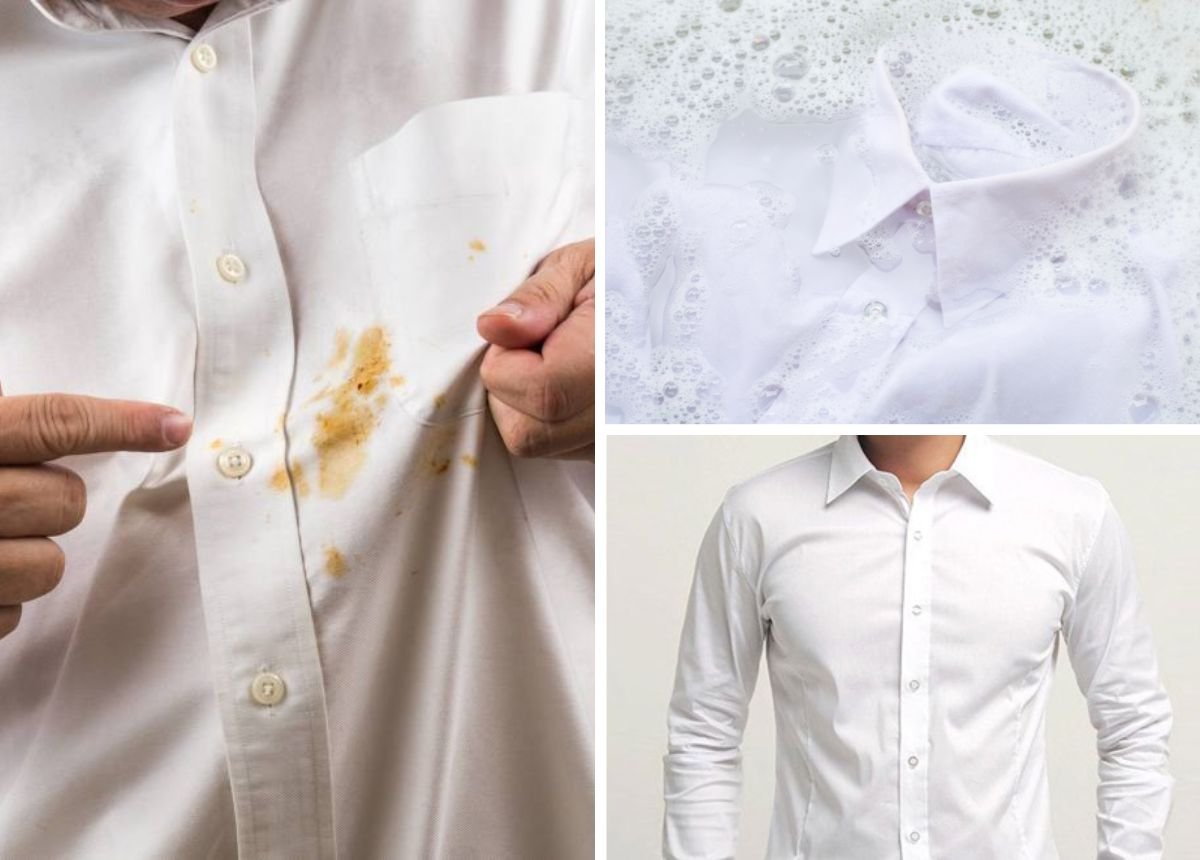
How to Get Blood Stains Out: Step-by-Step Guide (2026)
To get blood stains out, act fast: rinse the stain with cold water immediately (never hot — heat sets blood permanently), then rub in washing-up liquid or hydrogen peroxide, let it sit for 10 minutes, and wash as normal. Fresh blood usually comes out easily with this method. Dried blood needs a longer soak, but it can still be removed. In this guide, we’ll cover the best methods for fresh and dried blood stains on clothes, bedding, upholstery, and carpets, plus what to avoid.
The Golden Rule: Cold Water Only
This is the single most important thing to know about blood stains: always use cold water. Hot water cooks the proteins in blood and bonds the stain to the fabric fibres permanently. If you remember nothing else from this article, remember this — cold water for blood, every time.
The same goes for the tumble dryer. Never put a blood-stained item in the dryer until you’re sure the stain is completely gone, because the heat will set any remaining mark. Air-dry and check in good daylight first.
Method 1: Fresh Blood Stains (The Easy Ones)
If the blood is still wet, you’re in luck — fresh stains are the easiest to remove.
- Rinse under cold running water. Hold the stained area under a cold tap, letting the water push the blood out from the back of the fabric. Keep rinsing until the water runs mostly clear — this alone removes most of a fresh stain.
- Apply washing-up liquid. Squirt a small amount of washing-up liquid (Fairy is the classic UK choice) directly onto the stain. Gently rub it in with your fingers or a soft toothbrush, working from the outside of the stain inward so it doesn’t spread.
- Let it sit. Leave the washing-up liquid to work for 10 to 15 minutes.
- Rinse again and wash. Rinse thoroughly with cold water, then wash the item in your machine on a cool cycle (30°C or below) with your normal detergent. Check the stain is gone before drying.
This method works on most washable fabrics — shirts, trousers, bedsheets, and towels.
Method 2: Dried Blood Stains (The Stubborn Ones)
Dried blood is harder to shift because it’s bonded to the fibres, but it’s not hopeless. You’ll need to rehydrate and loosen it first.
- Soak in cold water. Fill a basin with cold water and add a scoop of biological washing powder or a tablespoon of salt. Submerge the stained item and soak for several hours — or overnight for heavy stains. Biological detergent contains enzymes that break down the proteins in blood, which is why it works better than non-bio for this job.
- Apply hydrogen peroxide. For white and light-coloured fabrics, dab 3% hydrogen peroxide (available cheaply at Boots, Superdrug, or any pharmacy) directly onto the stain. You’ll see it fizz — that’s the peroxide breaking down the blood. Let it sit for 10 minutes. Test on coloured fabrics first in a hidden spot, as peroxide can lighten some dyes.
- Scrub gently. Work the area with a soft brush or old toothbrush, then rinse with cold water.
- Repeat if needed. Stubborn stains may need two or three rounds. Patience beats harsh scrubbing, which can damage the fabric.
- Machine wash cool. Wash at 30°C with biological detergent. Check before drying.
Method 3: Blood on Upholstery and Carpets
You can’t soak a sofa or carpet, so the approach is different — you want to lift the stain without soaking the padding underneath.
- Blot, don’t rub. Press a clean white cloth or kitchen paper onto the stain to absorb as much as possible. Rubbing pushes blood deeper into the fibres.
- Dab with cold water. Dampen a cloth with cold water and blot the stain, working from the outside in. Rinse the cloth frequently.
- Apply a paste. Mix bicarbonate of soda with a little cold water to make a paste. Spread it on the stain and leave for 30 minutes — it draws the blood out of the fibres.
- Vacuum and blot. Vacuum up the dried paste, then blot with a cloth dampened with cold water and a drop of washing-up liquid.
- Finish with peroxide (light fabrics only). For pale carpets or upholstery, a light dab of hydrogen peroxide can remove the last traces. Blot dry with a clean towel.
Method 4: Blood on Delicate Fabrics (Silk, Wool)
Delicate fabrics need a gentler touch. Skip the peroxide and harsh scrubbing.
- Silk: Soak in cold water with a small amount of gentle detergent (like Woolite or a silk wash). Dab — never wring. If the stain persists, take it to a dry cleaner and point out the stain.
- Wool: Blot with cold water and a mild wool detergent. Wool can felt and shrink with agitation, so be gentle and keep water cool.
- “Dry clean only” items: Don’t attempt home treatment beyond blotting with cold water. Take the item to a dry cleaner as soon as possible and tell them it’s blood — they’ll know the right solvents to use.
What NOT to Do With Blood Stains
- Don’t use hot water — it sets the stain permanently.
- Don’t use the tumble dryer until the stain is fully gone.
- Don’t use bleach on coloured fabrics — it will strip the colour along with the stain.
- Don’t rub vigorously — it spreads the stain and damages fibres.
- Don’t use soap bars on dried blood — bar soap can actually help set protein stains. Stick to liquid detergents.
Helpful Products to Keep Handy
Most of what you need is already in a typical UK home, but these are worth having in the cupboard:
- Biological washing powder or liquid (Ariel, Persil Bio) — the enzymes break down blood proteins.
- Hydrogen peroxide 3% — a few pounds from Boots or Superdrug; brilliant on whites.
- Bicarbonate of soda — for pastes on upholstery and carpets.
- White vinegar — a pre-soak in diluted white vinegar can help loosen dried stains.
- Stain remover spray (Vanish Gold, Dr Beckmann Stain Devils) — good all-rounders for the laundry cupboard.
For general stain advice, Which? tests laundry stain removers to find which ones actually work.
Frequently Asked Questions
Does blood come out of white shirts?
Yes — white shirts are actually the easiest, because you can use hydrogen peroxide and even a careful bleach soak without worrying about colour loss. Treat quickly with cold water and peroxide, then wash at 30–40°C with biological detergent.
How do you get old, set-in blood stains out?
Soak overnight in cold water with biological detergent or an enzyme-based stain remover, then treat with hydrogen peroxide (on whites/lights) and wash cool. Very old stains may fade but not vanish completely — repeated gentle treatments work better than one aggressive attempt.
Can toothpaste remove blood stains?
Plain white toothpaste can help as a mild abrasive on small fresh stains in a pinch, but washing-up liquid or hydrogen peroxide work much better. Toothpaste is a backup, not a first choice.
Does salt really help with blood stains?
Yes — a cold salt-water soak (a tablespoon of table salt per litre of cold water) helps draw blood out of fabric before washing. It’s an old-fashioned remedy that genuinely works, especially as a first step for dried stains.
Will blood stain a mattress?
It can, but the upholstery method above works on mattresses too. Use minimal water so you don’t soak the interior, blot thoroughly, and let the mattress air-dry completely — prop it up or point a fan at it. A waterproof mattress protector afterwards prevents any repeat.
Final Thoughts
Blood stains look alarming, but they’re one of the more fixable stains if you act quickly and remember the cold-water rule. Fresh blood usually rinses out with minimal effort; dried blood takes soaking and patience but still comes out in most cases. Keep biological detergent and hydrogen peroxide in the house, treat stains before they see heat, and you’ll rarely lose a garment to blood again.