
How to Fix Loose Doorknob: Step-by-Step Guide (2026)
A wobbly doorknob is one of those small jobs you keep putting off, but the good news is that learning how to fix loose doorknob problems is easy. To fix a loose doorknob, tighten the small set screw (grub screw) on the side of the knob with an Allen key, then pop off the round cover plate and tighten the mounting screws behind it with a screwdriver. The whole job takes 10 to 15 minutes and you won’t need to take the door apart. In this guide, we’ll walk through both main types of doorknob — exposed screws and hidden screws — so you can sort yours out today.
Why Doorknobs Come Loose
Doorknobs get turned, pushed, and pulled thousands of times. Over time, that constant movement works the screws loose. It’s the same reason screws loosen in chair legs and kitchen cupboard handles. Heavy use, doors that slam, and hinges that drag can all make the problem worse. In most cases the knob itself is fine — it just needs tightening. Knowing how to fix a loose doorknob saves you the cost of calling a handyman for a ten-minute job.
What You’ll Need
You probably already own everything for this job. Here’s the short list:
- Allen key set — most modern doorknobs use a small grub screw that needs one. A cheap set costs about £3 at Wilko or Screwfix.
- Flathead screwdriver — for prising off the cover plate and tightening screws.
- Phillips (crosshead) screwdriver — most mounting screws are crosshead.
- A bit of threadlocker (optional) — a tiny drop of the low-strength type stops screws working loose again.
- Replacement screws (optional) — if any of the old ones are stripped. A box of assorted wood screws is around £4 at B&Q.
- A pencil and paper (optional) — handy for marking which knob goes where if you take both sides off.
If you don’t have Allen keys, a multi-bit screwdriver set from Screwfix or B&Q (around £10–£15) covers most household jobs and is worth the money.
Work Out Which Type of Doorknob You Have
Before you reach for any tools, look at your doorknob. There are two main styles, and how you fix a loose doorknob depends on which one you’ve got:
- Exposed screws: You can see the screws on the faceplate around the knob. These are common on older doors and basic knobs. The fix is simple — you just tighten them.
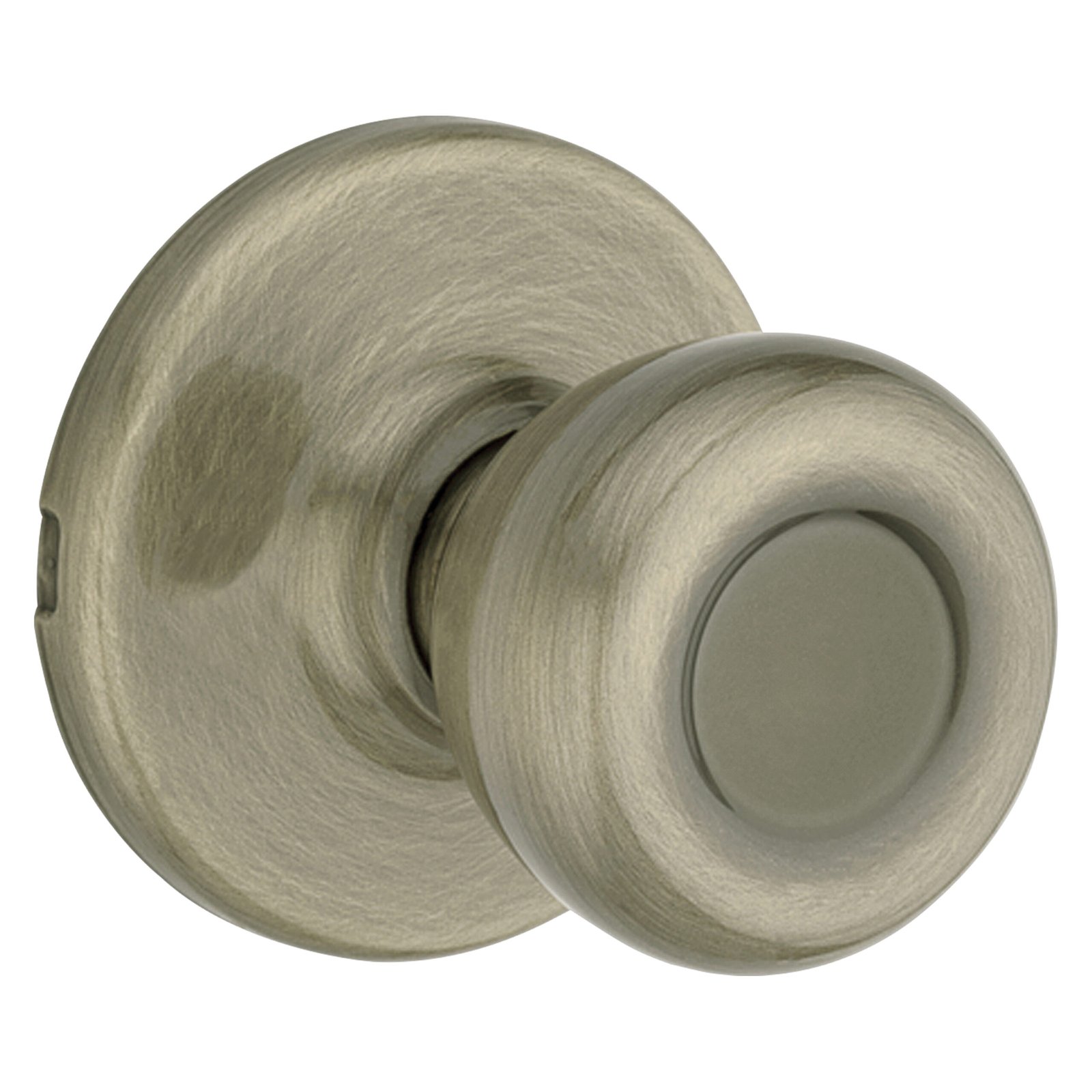
- Hidden screws: The screws are covered by a round decorative plate (called a rose). Modern doorknobs and door handles usually hide the screws this way for a neater look. You’ll need to pop the plate off first, which takes an extra minute.
Also check the neck of the knob — the part where it meets the plate. If there’s a tiny hole or slot there, it holds a grub screw that clamps the knob to the spindle (the square bar that runs through the door). A wobbly knob often means this little screw has backed out.
How to Fix Loose Doorknob with Hidden Screws (Rose Plate)
This is the most common type in UK homes. The screws sit behind a round cover plate, so here’s how to get to them and tighten everything up.
- Prop the door open. Use a doorstop or a folded towel so the door can’t swing shut while you’re working. You don’t want your fingers caught when the knob is half apart.
- Find the release slot on the rose plate. Look closely around the edge of the round cover plate for a tiny slot or notch. It’s often on the underside where you can’t see it at first glance.
- Pop the cover plate off. Slide a flathead screwdriver gently into the slot and prise the plate away from the door. It should pop off without much force. If it feels stuck, wiggle it gently rather than forcing it — Ideal Home’s step-by-step guide warns against cracking the plate by levering too hard.
- Tighten the mounting screws. You’ll now see two long screws (sometimes more) holding the plates on either side of the door. Hold the back plate steady with one hand so it doesn’t go on crooked, and turn each screw clockwise with your Phillips screwdriver. Tighten them firmly but don’t go mad — over-tightening can strip the wood or warp the plate.
- Check the grub screw on the knob neck. Look for the small hole on the side of the knob itself. Push the correct Allen key in and turn it clockwise until it’s snug against the spindle. This is the step most people miss, and it’s often the real cause of the wobble.
- Click the cover plate back on. Line it up and press it back over the screws. Some plates screw back on with a quarter turn — if yours does, turn it clockwise until it sits flush.
- Test it. Turn the knob a few times, open and close the door, and give the knob a firm wiggle. It should feel solid with no play.
How to Fix Loose Doorknob with Exposed Screws
These are even quicker to fix because there’s nothing to remove first.
- Hold the knob steady. Grip the knob on one side of the door while you work on the other, so nothing spins while you tighten.
- Tighten each screw bit by bit. Turn the top screw a few turns clockwise, then do the same with the bottom one, alternating between them. This keeps the faceplate flat against the door instead of pulling it on at an angle.
- Check the grub screw. Even on exposed-screw knobs, the knob itself is usually held to the spindle by a small set screw on the neck. Tighten it with the right Allen key.
- Test the knob. Turn it, open and close the door, and check it sits straight. If a screw just spins without gripping, the hole is stripped — see the section below on when to replace.
If you’d like to see the same process for lever handles (which work on the same principles), Screwfix has a useful step-by-step guide to changing a door handle that covers aligning the spindle and plates.
Tightening the Spindle and Grub Screw
Sometimes the screws holding the plate are fine, but the knob itself wobbles on the square spindle that runs through the door. This is the bar that connects the knob on one side to the knob on the other, and it’s what actually turns the latch.
- Find the grub screw. It’s the tiny screw on the neck or underside of the knob. You may need a torch or your phone light to spot it.
- Use the right size Allen key. Most UK doorknobs use a 2mm or 2.5mm key. If the key feels loose in the hole, it’s too small — go up a size. Using the wrong size strips the screw head.
- Push the knob in first. Before tightening, push the knob firmly towards the door so it sits flush, then turn the grub screw clockwise until snug.
- Don’t over-tighten. Snug is enough. Cranking it hard can crack the knob neck or round off the screw, and then you’re buying a new knob.
- Check the spindle itself. If the knob still wobbles after tightening, pull the knobs off both sides and look at the square bar. If it’s bent, worn round at the ends, or too short for the door, a replacement spindle costs under £5 at most ironmongers.
When to Replace Your Doorknob Instead
Tightening fixes nine out of ten loose doorknobs. But sometimes the knob is past saving, and no amount of screw tightening will help. Replace it if:
- The screw holes are stripped. If the screws just spin round and round without gripping the wood, the holes are worn out. You can try filling them with matchsticks and wood glue as a quick fix, but on a hollow-core door this rarely lasts.
- The latch is broken. If the knob turns but the door won’t open or won’t click shut, the fault is usually the tubular latch inside the door edge, not the knob. A replacement latch costs £3–£8 and is a separate job.
- The return spring has gone. If it’s a lever handle that droops and won’t spring back up, the internal spring has snapped. Tightening won’t fix that.
- The knob is cracked or the finish is badly worn. A new basic doorknob costs £5–£15, so it’s not worth faffing with a damaged one.
- The spindle is worn or too short. A sloppy fit on the spindle means the knob will always wobble. Replacing the knob (spindle included) is the easy answer.
Swapping a like-for-like doorknob is a 20-minute job and uses the same tools. Screwfix’s guide to fitting a door handle walks through measuring the latch, lining up the spindle, and testing the fit — the steps are the same for knobs.
Where to Buy Doorknobs in the UK
If yours needs replacing, you’ve got plenty of choice on the high street:
- B&Q — a big range from budget £5 knobs to premium finishes, and staff who can help you match the old size.
- Screwfix — great for trade-priced door furniture and spares like spindles and grub screws, with same-day collection from local branches.
- Wilko — good value basic doorknobs and screw sets for simple replacements.
- Local ironmongers — worth a visit if you need to match an older knob, as they often carry styles the big sheds don’t.
Expect to pay £5–£15 for a decent pair of internal doorknobs, and £20–£40 for a solid brass or chrome set. Take the old knob with you so you can match the screw hole spacing (called the “rose diameter”) and the spindle size.
Top Tips
- Tighten the grub screw first. Most of the wobble in a doorknob comes from the small set screw on the neck, not the big mounting screws. Check it before anything else.
- Add a drop of threadlocker. A tiny amount of low-strength threadlocker (the blue type, not the red) on the mounting screws stops them working loose again without making them impossible to remove later.
- Tighten screws a little at a time. Go round the screws in turn, a few turns each, so the plate pulls on evenly and doesn’t sit crooked.
- Check both sides. A doorknob is two knobs joined by one spindle. If you only tighten one side, the other will work loose again soon enough.
- Do a yearly check. Once a year, go round the house and give every doorknob a quick tighten. It takes five minutes per door and stops wobbles before they start.
- Lubricate a sticky latch. If the knob is stiff as well as loose, a squirt of graphite powder or a drop of 3-in-1 oil into the latch keeps it moving freely. Avoid thick grease — it collects dust and gums up.
Common Mistakes to Avoid
- Using the wrong size Allen key — it strips the grub screw head and turns a two-minute fix into a replacement job.
- Over-tightening — you can crack the knob neck, strip the wood screws, or warp the plate so the latch won’t work.
- Forgetting the cover plate — prising it off with a knife or flat blade instead of finding the release slot can chip the paint or bend the plate.
- Ignoring a stripped screw hole — tightening a screw that just spins does nothing. Fill the hole or replace the fixing.
- Taking everything apart — you don’t need to remove the latch or the door to fix a loose doorknob. Keep it simple.
FAQs About Fixing a Loose Doorknob
Why does my doorknob keep coming loose?
Daily use slowly backs the screws out. Doors that slam, hinges that drag, and heavy knobs all speed it up. A drop of low-strength threadlocker on the screws usually stops it happening again.
What tool do I need to tighten a doorknob?
A small Allen key for the grub screw on the knob neck, plus a Phillips screwdriver for the mounting screws behind the cover plate. A flathead screwdriver helps pop the plate off. That’s the full toolkit.
How do I remove a doorknob with no visible screws?
Look for a small slot on the edge of the round rose plate and prise it off gently with a flathead screwdriver — the mounting screws are underneath. Then loosen the grub screw on the knob neck with an Allen key and slide the knob off the spindle.
My screw just spins and won’t tighten. What now?
The hole is stripped. For a quick fix, push in a few matchsticks with wood glue, let it dry, then re-screw. For a lasting fix on a hollow-core door, replace the knob or fit a new one with different screw positions.
Can a loose doorknob be a security problem?
On an internal door it’s just an annoyance. On an external door, a loose knob can mean the lock isn’t seating properly — get it sorted quickly, and check the lock works smoothly before you rely on it overnight.
Conclusion
Now you know how to fix loose doorknob problems, you can have any wobbly knob solid again in about ten minutes. Tighten the grub screw, then the mounting screws behind the rose plate, and you’ll be done. If the hardware itself is worn out, a replacement from B&Q or Screwfix costs less than a tenner and takes no longer to fit.