
How Much Does Broadband Really Cost Per Month in the UK?
How Much Does Broadband Really Cost Per Month in the UK?
So, how much does broadband cost per month in the UK? The short answer: most households pay between £24 and £45 a month, though I’ve seen deals as low as £20 and premium full-fibre packages pushing past £60. The price on the advert is rarely the price you actually pay once line rental quirks, mid-contract rises and setup fees are factored in.
There’s a lot of conflicting advice out there, and some of it is years out of date. Rules change, prices move, and providers quietly rewrite their terms. What follows is current for the UK right now, based on what’s actually on offer and what real customers are paying — not the teaser rates in the adverts. If that’s on your mind too, have a look at our guide to which broadband provider has the fastest speeds in london — it pairs naturally with everything below.
How much does broadband cost per month in the UK right now?
Standard fibre (30-70Mbps) typically costs £24-£32 a month on an 18-24 month contract. This is the sweet spot for most households — enough for streaming, video calls and general browsing on several devices at once. Providers like Plusnet, TalkTalk and NOW Broadband sit at the cheaper end, while BT and Sky charge a few pounds more for the same Openreach-based speeds.
Full fibre (100Mbps-1Gbps) runs £30-£55 a month depending on speed tier. Virgin Media, Hyperoptic and Community Fibre compete hard here, and in London you can sometimes grab 500Mbps for under £35 during promotional windows. Ultrafast 1Gbps packages from BT or Virgin usually land between £45 and £60.
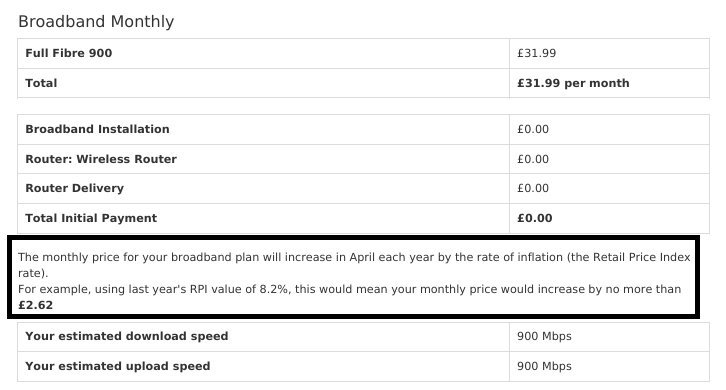
Watch out for the annual price rise clause. Since 2024, Ofcom rules mean providers must state the exact £/p increase in your contract, but most still bake in a £2-£4 monthly rise each spring. A £28 deal can quietly become £34 by year two — always check the ‘price at end of contract’ figure, not just the headline.
Now for the part most guides skip: the practical trade-offs. Worth a read alongside this: our guide to what is the best budget smartwatch for android users in the uk.
What affects the price you’ll pay
Here’s the short version, so you can scan it fast:
- Speed tier: jumping from 70Mbps to 500Mbps usually adds £8-£12 a month — worth it for big households, pointless for light users.
- Contract length: 24-month deals are cheapest per month but lock you in; 12-month and rolling monthly options cost £3-£8 more.
- Your postcode: full fibre availability varies street by street. If only one ultrafast provider serves your building, expect to pay their price.
- Introductory discounts: most cheap deals revert to a higher standard price after 6-12 months. Set a reminder before the discount ends.
- Setup and router fees: typically £0-£35 one-off, sometimes with a £5-£10 router delivery charge buried in the small print.
It’s worth pausing here to think about what you actually need versus what sounds nice on paper. Providers love selling you headroom you’ll never use.
Cheapest vs best value broadband deals
In my experience, the cheapest deal is rarely the best value. A £22-a-month package with sluggish customer service and a router that drops connection nightly will cost you more in frustration than the £4 a month you’d save. Check recent customer satisfaction scores — Ofcom publishes them quarterly — before chasing the lowest number.
That said, there’s genuinely no reason to pay £45 for 70Mbps fibre when rivals offer the same Openreach line for £26. Use a comparison site, then phone your current provider and ask them to match it. Retention teams can usually knock £5-£10 off; they just won’t offer until you ask.
How to cut your broadband bill today
Here’s the process, step by step — nothing here should take more than an afternoon:
- Check your contract end date — you’re free to switch without penalty once it passes, and often 30 days before.
- Run a speed test at peak time (7-10pm). If you’re getting what you pay for, don’t upgrade; if you’re not, complain first — Ofcom’s speed code of practice gives you the right to exit if speeds stay below the guaranteed minimum.
- Compare like-for-like deals including the post-discount price and any annual rises.
- Haggle with your current provider using the cheapest rival quote as leverage.
- Switch — it’s handled by the gaining provider under the One Touch Switch process, usually with less than a day of downtime.
Quick answers
What’s the biggest mistake people make with broadband pricing?
Rushing in without comparing options. Most people grab the first broadband pricing deal they see — usually an advert or a mate’s recommendation — and never check whether it actually fits their situation. Spend an hour comparing two or three alternatives, read the small print on the cheapest one, and you’ll dodge the regret that lands three months later when the bills arrive or the limitations start to bite.
How much should I realistically budget for broadband pricing?
More than the headline price, less than the premium option. A sensible budget for broadband pricing sits in the middle of the market — enough to avoid the cut corners of the cheapest tier, without paying for features you’ll never touch. Add 15-20% contingency for the extras nobody mentions upfront, and you’ll land about right. The people who blow the budget are the ones who budgeted for the advert price instead of the real one.
What should I do first if I’m completely new to broadband pricing?
Start with the free, reversible steps: research, compare, and get your facts straight before spending a penny or signing anything. Make a shortlist of two or three options, check recent reviews — and read the one-star ones, not just the average — and talk to someone who’s done it before you. Ten minutes of asking around beats ten hours of guessing, and it costs nothing.
Pro tip: whatever you decide about broadband pricing, set a calendar reminder to review it in a year’s time. Prices, products and your own needs all shift — the people who get the best value long-term are the ones who revisit decisions, not the ones who choose perfectly on day one.
What I’d actually do
Most UK households should be paying £24-£35 a month for decent fibre broadband in 2026. If your bill is higher, you’re almost certainly overpaying — and a twenty-minute comparison plus one phone call is usually all it takes to fix it.
That’s the full picture as it stands. Markets move and deals change, but the principles above hold — match the choice to your real needs, read the small print, and don’t pay for things you won’t use. Final thought: the market rewards people who shop around and punishes people who don’t. You’re now in the first group. For the official word, see Ofcom’s guide to broadband speeds and switching. MoneySavingExpert’s broadband comparison is also worth a look for independent comparisons.
One thought on “How Much Does Broadband Really Cost Per Month in the UK?”