
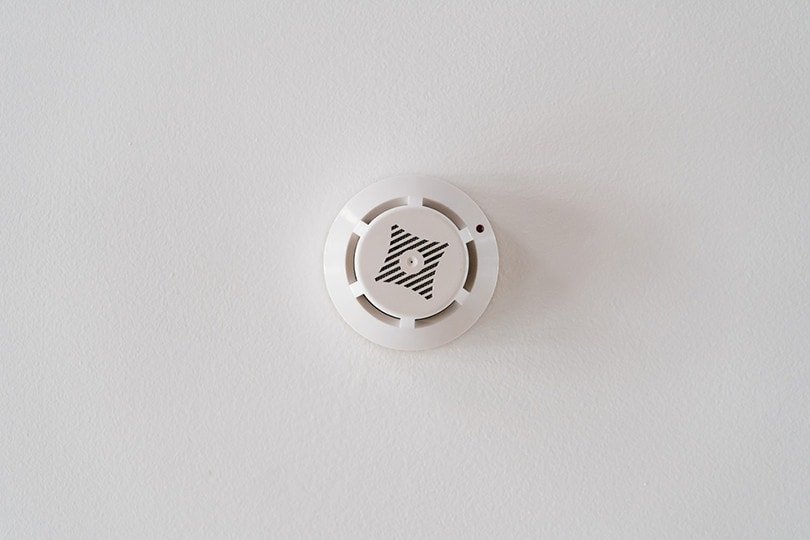
How to Change Fire Detector Battery: Step-by-Step Guide (2026)
Changing a fire detector battery is a five-minute job that could save your life. If your smoke alarm is beeping every minute or so, the battery is running low: replace it the same day, never ignore it. Most use a 9V battery or AA batteries, and swapping them takes a screwdriver at most. This guide shows you how to change a fire detector battery step by step, how to tell which type of alarm you have, and what your legal duties are whether you own your home or rent it.
Smoke alarms save thousands of lives, but only if they work. The UK government’s Fire Kills campaign has shown that people are far more likely to die in a home fire when there is no working alarm. Flat batteries are one of the most common reasons alarms fail, so test yours monthly.
Before You Start: Which Alarm Do You Have?
Look at your alarm before buying a battery. There are three common types in UK homes:
- Replaceable battery alarms. Usually take one 9V battery or two to three AA batteries. These are the most common, and the battery needs changing every year or two.
- 10-year sealed alarms. The battery is built in and lasts the life of the alarm. When the low-battery warning starts, replace the whole alarm.
- Mains-powered alarms with battery backup. Wired into your home’s electrics with a backup battery for power cuts. You can change the backup battery yourself, but any electrical work on the alarm itself needs a qualified electrician.
Buy a branded 9V alkaline or lithium battery, or the AAs specified on the alarm. Lithium 9V batteries last much longer and are worth the extra few pounds. You will find them at Tesco, B&Q, Screwfix or any supermarket.
How to Change a Fire Detector Battery: Step-by-Step
- Get a sturdy step or ladder. Alarms sit on ceilings, so do not stretch from a chair. A stable step ladder lets you work with both hands.
- Twist the alarm off its base. Most battery alarms twist anti-clockwise off the mounting plate; some slide off sideways. Check for a small locking tab if it resists.
- Open the battery compartment. Usually on the back of the alarm. Note which way the old battery sits before you remove it.
- Remove the old battery. Unclip the 9V connector or pop out the AA batteries. Take old batteries to a recycling point at your local supermarket or council tip, not the bin.
- Fit the new battery. Match the positive and negative terminals, or follow the markings inside the compartment. Push it in firmly so it cannot work loose.
- Refit the alarm. Twist or slide it back onto its base until it clicks. It should sit flush and secure.
- Test it immediately. Press and hold the test button until the alarm sounds. It is loud on purpose, so warn anyone in the house first.
- Write the date on the alarm. A small sticker or marker note with the battery change date reminds you when it is due again.
What If It Is a 10-Year Sealed Alarm?
If your alarm is sealed with no battery door, the battery cannot be changed. When the low-battery warning starts, replace the whole unit with one that meets British Standard BS EN 14604 (printed on the packaging). Most sealed alarms cost £10 to £25.
Your Duties: Homeowners, Tenants and Landlords
In England, the rules on smoke alarms are clear:
- Homeowners: no law forces you to have alarms, but fire services strongly recommend one smoke alarm on every storey and a heat alarm in the kitchen.
- Tenants: your landlord must provide working smoke alarms on every storey at the start of your tenancy. After that, test them regularly and tell your landlord if one stops working. The government’s fire safety guidance for rented homes sets out both sides clearly.
- Landlords: under the Smoke and Carbon Monoxide Alarm Regulations, fit at least one working smoke alarm on each storey and repair or replace faulty alarms when told. Councils can fine landlords up to £5,000. London Fire Brigade’s landlord guidance is a good checklist of what is expected.
Top Tips
- Test monthly. Press the test button on the first of every month. It takes ten seconds and is the most important fire safety habit in the home.
- Change the battery every year. Pick an easy date to remember, like when the clocks change, and do it whether the alarm is beeping or not.
- Never remove the battery to stop false alarms. If cooking sets the alarm off, fan the smoke away and let it reset. An alarm with no battery protects nobody. Smoke alarms belong in hallways and landings, with a heat alarm in the kitchen.
- Vacuum the alarm yearly. Dust and cobwebs inside the sensor cause false alarms and reduce sensitivity.
- Replace the whole alarm every 10 years. Sensors wear out. Check the manufacture date printed on the alarm and replace it at a decade old.
- Fit enough alarms. Hallway, landing and ideally every bedroom gives the earliest warning, with a heat alarm in the kitchen covering cooking fires.
Common Mistakes to Avoid
- Ignoring the low-battery chirp. Change the battery the same day. “Doing it tomorrow” is how dead-battery fires happen.
- Taking the battery out for another gadget. Borrowing the 9V for a remote control or toy leaves the house unprotected.
- Using the wrong battery type. Rechargeable batteries can cause false low-battery warnings. Use the type the manufacturer specifies.
- Mounting alarms badly after refitting. If the alarm does not click back onto its base properly, it can fall. Check it is secure and test it.
- Forgetting carbon monoxide alarms. Smoke alarms do not detect carbon monoxide. With a gas boiler, gas fire or wood burner, fit a CO alarm too.
One more thing: never touch a mains-powered alarm’s wiring unless you are qualified. Changing the backup battery is fine, but fire service advice on smoke alarms is clear that faulty hardwired alarms need an electrician, not a DIY fix.
FAQs
How do I know if my fire detector battery needs changing?
The alarm chirps every 30 to 60 seconds, often with a flashing red light. If it is over 10 years old, the whole unit needs replacing, not just the battery.
What battery does a smoke alarm take?
Most take a 9V battery or two to three AA batteries; check the old battery or the label inside the compartment. A lithium 9V lasts significantly longer and is worth the extra cost.
Can I change the battery in a sealed 10-year alarm?
No. Sealed alarms have the battery built in for the life of the unit. When it runs down, replace the whole alarm with one that meets BS EN 14604.
Why does my smoke alarm keep beeping after I changed the battery?
Usually the new battery is not seated properly, is the wrong type, or is itself flat (check the date on the packet). Dust in the sensor can also cause chirping, so vacuum the alarm. If it still beeps with a fresh, correctly fitted battery, the alarm itself has failed and needs replacing.
Conclusion
Changing a fire detector battery takes five minutes: twist the alarm off, swap the battery, refit it and test it. Never ignore the low-battery chirp, test your alarms monthly, and report faults to your landlord if you rent. A working alarm is the cheapest life insurance your home can have.