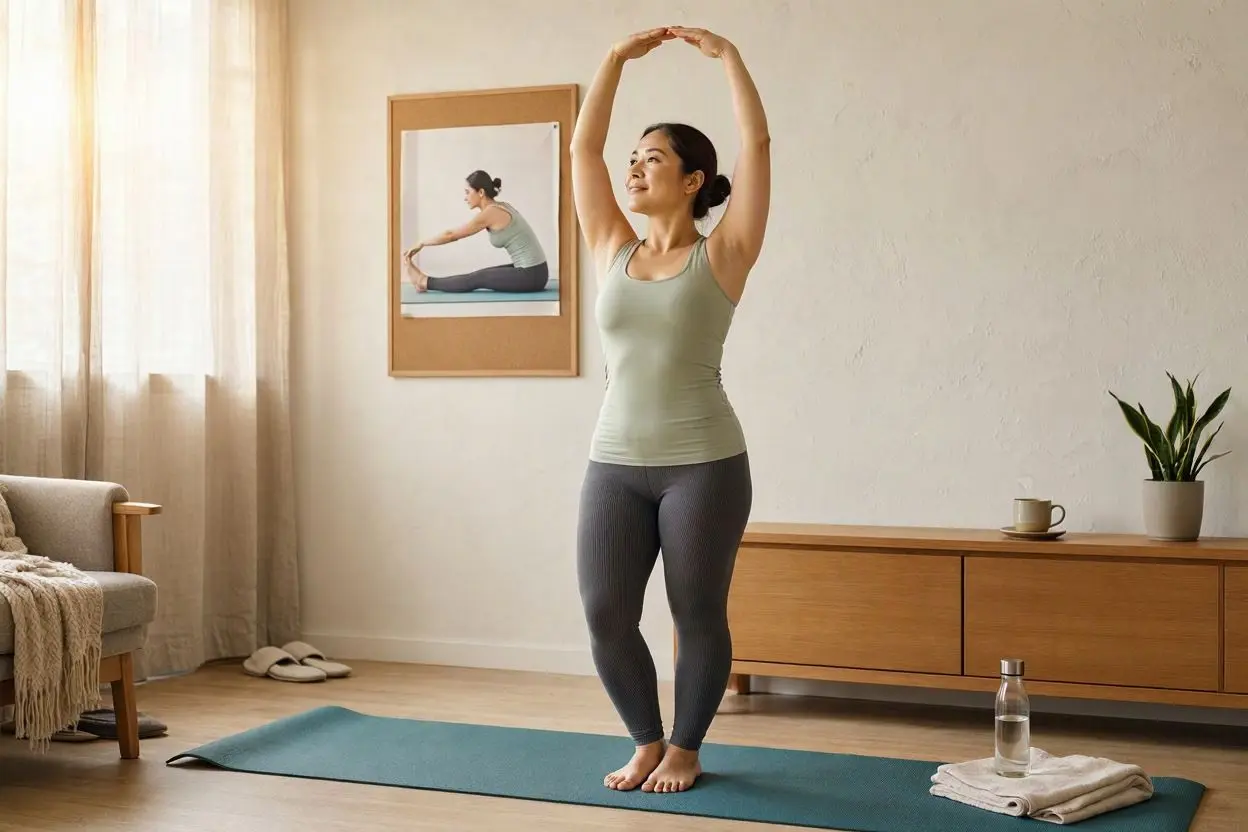
How to Build a Simple Morning Stretching Routine at Home
Starting your day with a few simple stretches can be a great way to wake up your body and prepare yourself for the day ahead. You do not need a gym, expensive equipment, or a lot of free time to create an effective morning stretching routine at home.
A short stretching session can help you move more comfortably after a night of sleep and make your morning feel less rushed. The key is to keep your routine simple enough that you can follow it consistently.
In this guide, you will learn how to build a simple morning stretching routine at home, which stretches you can include, how long to stretch, and some easy tips for making the habit stick.
Why Start Your Day With Stretching?
Your body may feel stiff when you first get out of bed, especially if you spend a lot of time sitting during the day. Gentle morning stretches can help you gradually move your joints and muscles instead of going straight into your daily activities.
A morning stretching routine can also become a relaxing part of your daily schedule. Even five to ten minutes can give you time to focus on your breathing and movement before work, school, or other responsibilities begin.
The goal is not to force your body into difficult positions. Instead, focus on slow and comfortable movements.
How to Build a Morning Stretching Routine at Home
Creating a home stretching routine does not have to be complicated. Start with a few basic stretches that target different areas of the body.
1. Start With Gentle Movement
Before holding any stretches, spend a minute moving your body gently. You can walk around your room, roll your shoulders, or move your arms slowly.
This gives your body a chance to transition from rest to movement.
Avoid making sudden or forceful movements, particularly if you feel stiff when you wake up.
2. Try a Neck Stretch
Neck tension is common, especially for people who spend hours looking at computers and phones.
Sit or stand comfortably and slowly tilt your head toward one shoulder. Hold the position for several seconds, then return to the center and repeat on the other side.
Keep the movement gentle. There is no need to pull your head with your hand.
3. Add Shoulder Rolls
Shoulder rolls are another simple addition to a morning stretching routine.
Slowly move your shoulders upward, backward, and downward in a circular motion. Repeat several times, then change direction.
This is an easy exercise to do while standing beside your bed or getting ready for the day.
4. Stretch Your Upper Back
Bring your arms forward and gently round your upper back while keeping the movement comfortable. You can also clasp your hands together and reach forward.
This simple stretch can be useful after spending several hours sleeping in one position or sitting at a desk.
5. Include a Gentle Side Stretch
Stand with your feet comfortably apart and raise one arm overhead. Slowly lean toward the opposite side without twisting your body.
Return to the starting position and repeat on the other side.
A standing side stretch can be a simple way to include your torso in your full-body morning stretch routine.
6. Stretch Your Hamstrings
Tight hamstrings can make your legs feel stiff in the morning.
Sit on the edge of your bed or on a comfortable surface and extend one leg forward. Keep your back relatively straight and gently lean toward the extended leg.
You should feel a mild stretch behind your thigh. Avoid bouncing or forcing yourself to reach your toes.
7. Try a Standing Quad Stretch
Your quadriceps are the muscles at the front of your thighs.
While standing near a wall or sturdy piece of furniture for balance, bend one knee and bring your heel toward your body. Hold your ankle if it is comfortable, then switch sides.
If balancing is difficult, use support rather than trying to hold the position without assistance.
8. Finish With a Calf Stretch
Place your hands against a wall and step one foot backward. Keep the back heel comfortably down while gently bending the front knee.
Hold the position for several seconds and then switch legs.
Calf stretches are especially easy to add to a quick stretching routine before starting your morning walk or other activities.
How Long Should a Morning Stretching Routine Be?
You do not need to spend a long time stretching. For beginners, a 5 to 10 minute morning stretching routine can be a practical starting point.
You can hold comfortable stretches for around 15 to 30 seconds and repeat them when appropriate. The exact amount of time is less important than doing the movements consistently and comfortably.
If you have more time, you can gradually build your routine into a 15-minute morning stretching session.
A Simple 10-Minute Morning Stretching Routine
If you are not sure where to start, try this basic sequence:
- 1 minute of gentle walking or movement
- 30 seconds of shoulder rolls
- 30 seconds of gentle neck stretches
- 1 minute of upper-back stretching
- 1 minute of side stretches
- 2 minutes of gentle hamstring stretches
- 2 minutes of standing quad stretches
- 1 minute of calf stretches
- 1 minute of relaxed breathing and gentle movement
You can adjust the routine based on your comfort level and daily schedule.
Tips for Making Morning Stretching a Daily Habit
The hardest part for many people is not learning the stretches. It is remembering to do them regularly.
Try keeping your routine simple. If you only have five minutes, do five minutes instead of skipping the session completely.
You can also keep a yoga mat or comfortable exercise surface somewhere easy to access. Doing your stretches at the same time every morning can make the habit easier to maintain.
Another useful approach is to connect stretching with something you already do. For example, you could stretch after brushing your teeth, making your morning coffee, or getting dressed.
Common Mistakes to Avoid
Morning stretching should feel comfortable rather than painful. Avoid bouncing while holding a stretch, as this can make the movement harder to control.
Do not compare your flexibility with someone else’s. Everyone has a different range of motion, and flexibility can improve gradually.
It is also important not to rush. Slow breathing and controlled movements can make your routine feel more relaxed.
If a particular movement causes sharp pain, stop doing it. People with an injury, medical condition, or specific physical limitation should consider speaking with a qualified healthcare professional before starting a new exercise routine.
Final Thoughts
A simple morning stretching routine at home can be an easy way to add more movement to your day. You do not need special equipment or a complicated workout plan. A few gentle stretches for your neck, shoulders, back, legs, and calves can fit into just a few minutes.
Start with a routine that feels realistic for your schedule. As it becomes a habit, you can gradually add more stretches or spend a little more time on your routine.
The most important thing is consistency. A simple routine that you actually do every morning can be more practical than a long routine that quickly becomes difficult to maintain.
Frequently Asked Questions
1. How long should a morning stretching routine be?
Beginners can start with around 5 to 10 minutes. As you become comfortable, you can increase the length of your stretching session if you wish.
2. Is it good to stretch in the morning?
Gentle morning stretching can help you gradually move your body after sleeping and may help reduce feelings of stiffness. Keep movements comfortable and avoid forcing a stretch.
3. What are the best morning stretches for beginners?
Neck stretches, shoulder rolls, side stretches, hamstring stretches, quad stretches, and calf stretches are simple options for beginners.
4. Can I do morning stretches without a yoga mat?
Yes. Many basic stretches can be performed standing or sitting without a yoga mat. However, a mat or soft surface may make certain floor stretches more comfortable.
5. How often should I do a morning stretching routine?
You can make gentle stretching part of your daily routine if it feels comfortable for you. Consistency is generally more useful than doing a very long stretching session occasionally.
6. Should stretching hurt?
Stretching should generally feel gentle and controlled, not painful. If you experience sharp or unusual pain, stop the movement and consider getting professional advice.
7. Can stretching replace a workout?
Stretching and exercise serve different purposes. A stretching routine can be part of a healthy movement routine, but it does not necessarily replace activities that improve cardiovascular fitness or strength.
8. What is the easiest way to stay consistent with morning stretching?
Keep your routine short, choose a regular time, and connect it with an existing morning habit. Starting with just five minutes can make the routine easier to maintain.