
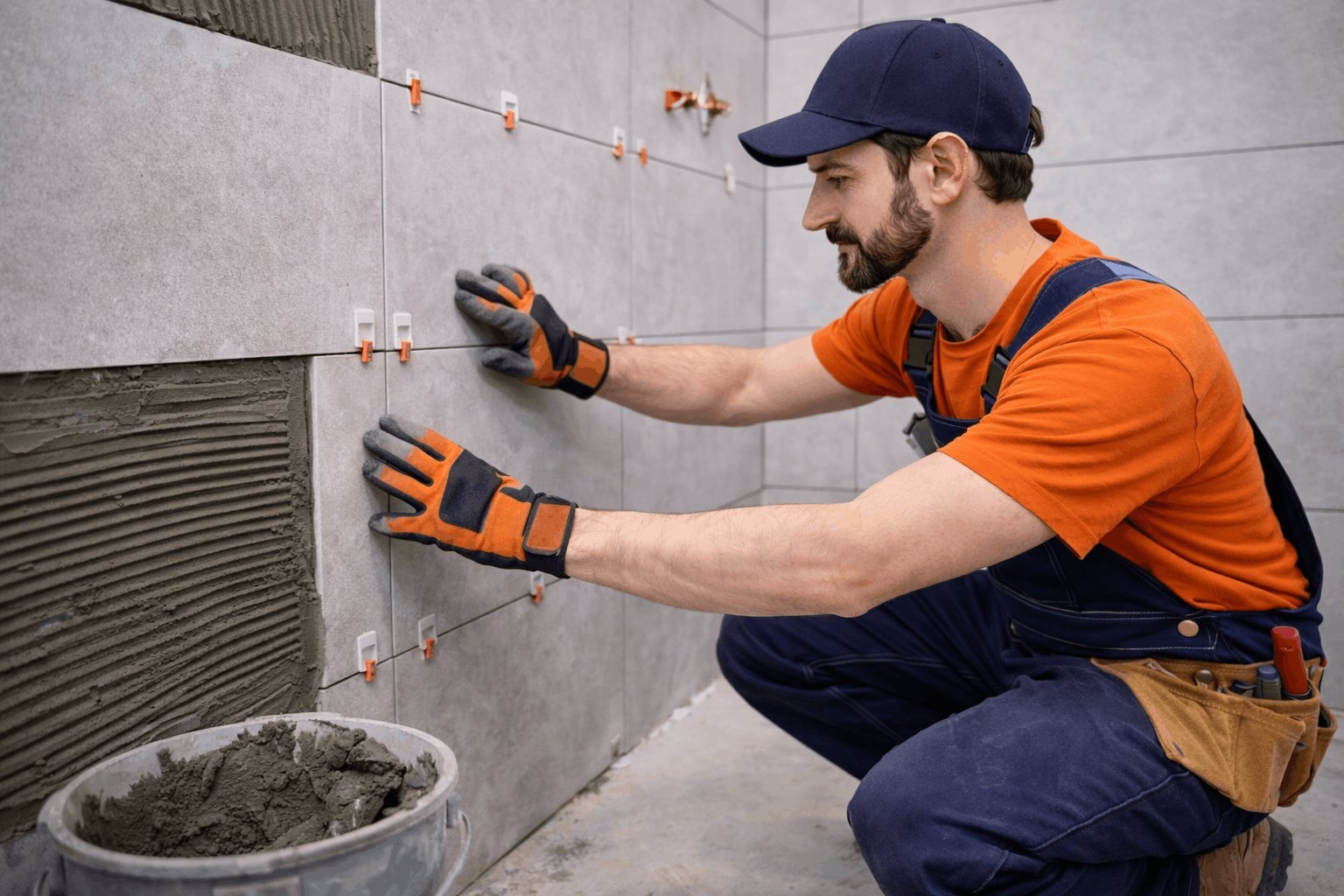
How Much Does It Cost to Tile a Small Bathroom in the UK?
How Much Does It Cost to Tile a Small Bathroom in the UK?
Tiling is where bathroom budgets go to die — or where smart choices save hundreds. Here’s how much it costs to tile a small bathroom in the UK, broken down by tiles, labour and the decisions that move the price.
The headline numbers
For a typical small UK bathroom (say 2m x 2m, tiling walls to half-height plus a shower area):
- Budget (basic ceramic, DIY): £200–£400 (materials only)
- Mid-range (decent tiles, professional tiler): £800–£1,500
- Premium (large-format porcelain, full-height): £1,500–£3,000+
- London: add 20–30%
Labour: the big variable
Tilers charge £40–£60 per square metre for labour in most of the UK (£60–£90 in London). A small bathroom might be 15–25 sqm of tiling:
- 15 sqm at £45/sqm = £675 labour
- Plus materials, adhesive, grout, trim: £300–£800 depending on tile choice
Labour is often half the total cost — which is why tile choice matters less than people think, and why complex patterns (herringbone, mosaics) explode the price: they can double labour time.
Tile costs per square metre
- Basic white ceramic: £10–£20/sqm — the budget workhorse; looks fine, lasts decades
- Mid-range ceramic/porcelain: £20–£45/sqm — the sweet spot for most bathrooms
- Large-format porcelain: £30–£70/sqm — fewer grout lines, modern look, harder to fit (higher labour)
- Natural stone: £40–£100+/sqm — beautiful, needs sealing, not for beginners
- Mosaics: £30–£80/sqm plus much higher labour — use as a feature strip, not whole walls
Check Topps Tiles, Mandarin Stone and independent tile shops — and always buy 10% extra for cuts and breakages (15% for patterned layouts).
How to cut the cost
- Tile less area: half-height tiling with painted walls above halves the cost and looks intentional, not cheap.
- Choose standard sizes: 300x600mm and 600x600mm are cheapest to buy and fastest to fit.
- Avoid mosaics and herringbone except as small feature areas.
- DIY if you’re handy: wall tiling is very learnable — a £50 tile cutter and a weekend. Floors are harder; consider a pro for those.
- Prep the walls yourself: stripping old tiles and making good saves the tiler’s day rate.
- Buy tiles in sales: January and August sales routinely offer 20–30% off.
Hidden costs to budget for
- Removing old tiles: £150–£300 if the tiler does it (DIY-able but messy)
- Wall preparation: plastering or backer boards if walls are damaged — £200–£500
- Tanking/waterproofing the shower area: £50–£150 in materials — non-negotiable for walk-in showers
- Trim and finishing: £30–£80 — the details that make it look professional
Re-grouting instead?
If the tiles are sound but the grout is tired, re-grouting yourself costs £15–£30 and can make old tiles look new. Always consider this before committing to full re-tiling.
The bottom line
Budget £800–£1,500 for professional tiling of a small bathroom with mid-range tiles, or £200–£400 DIY. The three levers are: how much area you tile, tile size (standard = cheap), and pattern complexity (straight lay = cheap). Get the tiler’s per-square-metre rate in writing, buy 10% extra tiles, and tank the shower area properly — the waterproofing you can’t see matters more than the tiles you can.
Tile trends that won’t date (and ones that will)
Tiling lasts 20+ years, so choose like you’ll live with it that long. Safe bets: classic white or off-white subway/metro tiles (timeless for a century), large-format neutral porcelain (modern, calm), soft grey or beige stone-effect (warm, forgiving). Risky: bold patterned encaustic-look tiles across whole walls (lovely as a feature, overwhelming everywhere), ultra-trendy colours (millennial pink had its moment), tiny mosaics everywhere (dating + grout maintenance nightmare).
The designer formula: neutral tiles + colourful accessories. Tiles are expensive to change; towels, plants and art are cheap. A white-tiled bathroom with mustard towels and green plants looks designed; a mustard-tiled bathroom looks like a commitment. If you love pattern, confine it to one feature wall or the floor — impact without the lifetime sentence.
Tiling FAQs
How long does tiling a small bathroom take? 3–5 days for a professional (including prep and grouting) on a standard small bathroom. DIY: double it. Rushing tiling shows forever — the tiler’s pace is the pace.
Can I tile over existing tiles? Yes, if they’re firmly adhered, the surface is cleaned and primed with tile-on-tile primer, and you accept the room gets slightly smaller and fittings (taps, shower valves) sit slightly proud. It saves the messy rip-out (£150–£300). But if old tiles are loose or the wall behind is suspect, strip them — tiling over problems just buries them.
What grout colour should I choose? Light grey is the all-rounder — hides dirt better than white, looks smarter than white, suits most tiles. White grout looks crisp initially but discolours fastest. Dark grout with light tiles is striking but shows limescale in hard-water areas. Epoxy grout (£30–£50 vs £10–£15 for standard) is waterproof, stain-proof and worth it in showers.
Do I need to seal the tiles? Ceramic/porcelain: no. Natural stone, terracotta, encaustic: yes — seal before grouting (grout stains unsealed stone) and reseal every 1–2 years. Grout sealer (£8–£12) on standard grout in wet areas extends its life significantly.
What’s the hardest part for DIY tilers? Cuts around pipes, windows and fittings — buy or hire a wet tile cutter (£50–£80) rather than struggling with a manual scorer on porcelain. And setting out: plan the layout so cut tiles aren’t slivers at visible edges — centre the layout, work outward. The pros spend as long planning as tiling.
Getting quotes: what to ask tilers
Tiling quotes vary more than almost any trade — here’s how to compare them properly. Ask for the per-square-metre labour rate (£40–£60/sqm outside London) and the total measured area — some tilers “measure” generously. Clarify what’s included: adhesive, grout, trim, tanking, waste removal, and making good. A £45/sqm quote excluding materials vs a £55/sqm all-in quote aren’t comparable until you normalise them. Ask about the pattern: straight lay vs brick bond vs herringbone — complex patterns take 50–100% longer; confirm the quote covers your chosen layout.
Check the prep: what will they do about uneven walls? (Bumpy walls need levelling — £5–£15/sqm extra — or the tiles follow the bumps.) Timeline: when can they start, how many days, and are they doing your job full-time or fitting you between others? See finished work — tiling quality is brutally visible: straight grout lines, even spacing, neat cuts around fittings. A tiler who won’t show you a finished bathroom is telling you something. And never pay more than 30% upfront — materials for tiling are cheap; large deposits are a red flag.
Related reading
Pair with re-grouting bathroom tiles yourself and the cheapest bathroom updates for the full budget picture.