
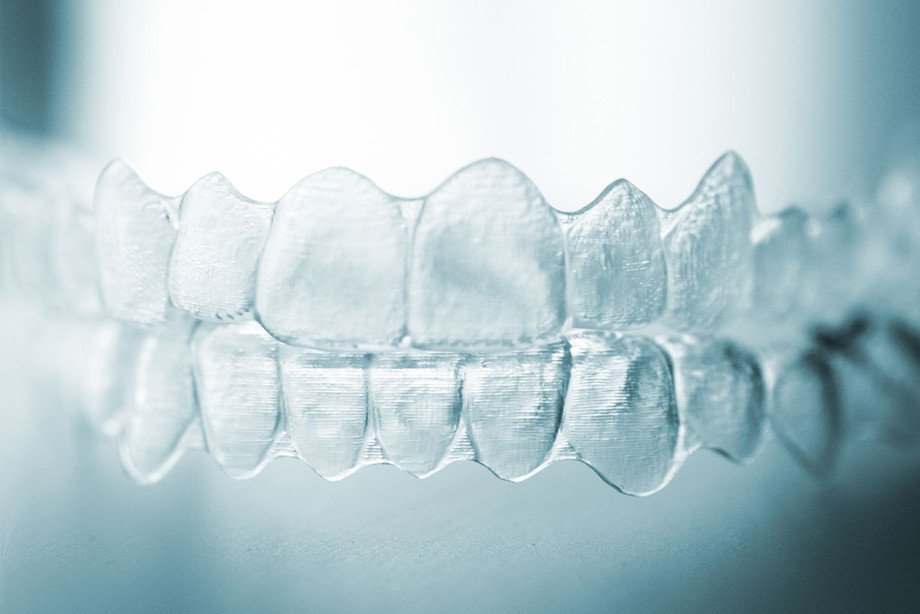
How Much Does Invisalign Cost in the UK?
How Much Does Invisalign Cost in the UK?
Straight teeth without the “train track” look — that’s the Invisalign promise, and it’s why clear aligners have become the default adult orthodontic choice in the UK. But the price is the first thing everyone asks about, and the answer is frustratingly vague: “it depends.” When I looked into it for myself, quotes ranged from £2,500 to £5,500 for what sounded like similar treatment. Wondering “how much does invisalign cost in the uk”? You’re not alone — and the real answer is more straightforward than most guides make it sound.
So I dug into actual 2026 UK pricing, what drives the cost up or down, what’s usually included (and what isn’t), and the alternatives worth considering. If you’re weighing up whether to straighten your teeth as an adult, this is the financial picture you need.
Real Invisalign prices in the UK in 2026
For mild to moderate cases — minor crowding, small gaps, slight rotation — expect £2,500 to £3,500. These are often marketed as Invisalign Lite or Express (fewer aligners, shorter treatment). For moderate to complex cases needing full treatment (20+ aligners, 12 to 18 months), £3,500 to £5,500 is typical in most UK cities. London and the South East skew 10 to 20 percent higher; some central London clinics quote £6,000+.
What’s usually included: the initial consultation and 3D smile scan, all aligners, check-up appointments, refinements (extra aligners if teeth don’t track as planned — ask explicitly, as some clinics cap these), and retainers at the end. What’s often extra: teeth whitening (£200–£400, frequently offered as a “free” sweetener in package deals), composite bonding to reshape teeth after alignment (£150–£300 per tooth), and replacement retainers down the line (£100–£300 per set).
- Invisalign Express/Lite (mild cases, up to 7–14 aligners): £2,000–£3,000
- Invisalign Moderate: £3,000–£4,500
- Invisalign Comprehensive (complex, 12–18 months): £4,000–£5,500+
- Retainers (usually included, replacements £100–£300)
- Whitening add-on: £200–£400
What makes the price vary so much?
Case complexity is the biggest factor — more tooth movement means more aligners and more clinical time. But provider type matters almost as much. Specialist orthodontists (who’ve done three extra years of training) typically charge more than general dentists offering Invisalign, but they handle complex cases better and their refinement rates tend to be lower. For simple cases, an experienced general dentist is perfectly fine; for bite problems or significant movement, see the specialist.
Geography is the next driver — the same treatment can cost £1,000 more in central London than in Leeds or Glasgow. Some people travel for treatment, though factor in the hassle of check-ups every 6 to 8 weeks. And be wary of prices that seem too good: £1,500 “Invisalign” deals usually turn out to be a different, cheaper aligner brand, or exclude retainers and refinements that you’ll pay for later.
Payment-wise, most clinics offer 0% finance over 12 months, or longer terms with interest. A £4,000 treatment at 0% over 12 months is £333 a month — significant but manageable for many. Always check the total repayable, not just the monthly figure.
Invisalign vs the alternatives
Fixed metal braces remain the cheapest effective option — £2,000 to £3,500 privately, and free on the NHS for under-18s with qualifying need (adults can get NHS orthodontics only in exceptional cases). They’re less discreet but handle complex cases best and require zero compliance — no temptation to leave aligners out. Lingual braces (fitted behind teeth) are the invisible fixed option at £5,000 to £10,000.
Direct-to-consumer aligner brands (the mail-order impression kit companies) advertise £1,200 to £2,000, but I’d urge caution: no in-person clinical supervision means problems like gum disease or root issues can go unnoticed, and the British Orthodontic Society has raised concerns. The General Dental Council’s position is clear that orthodontics should involve a clinician. Saving £1,500 isn’t worth risking your teeth.
For many adults, the real comparison is Invisalign vs doing nothing — mild cosmetic crowding is harmless, and £4,000 is a lot for aesthetics. Be honest about your motivation: if it’s for your confidence, that’s legitimate. If a dentist is pushing treatment you didn’t ask about, get a second opinion.
Is it worth the money? An honest assessment
Invisalign works — the technology is mature and outcomes for suitable cases are excellent. The lifestyle advantages over fixed braces are real: you can eat normally, clean your teeth properly, and most people won’t notice you’re wearing them. The compliance burden is the flip side: 22 hours a day, every day, for months. People who leave aligners out “just for the evening” extend treatment and compromise results.
Value-wise, think in decades: £4,000 over 20+ years of straighter teeth is £200 a year. But only if you wear your retainers afterwards — teeth drift back without retention, and “I paid £4k and my teeth moved again” is one of the most common orthodontic complaints. Factor in lifetime retainer costs (replacements every few years) when budgeting.
My take: if your case is mild-to-moderate, you’re disciplined enough for 22-hour wear, and the cost doesn’t strain your finances, it’s worth it. If money is tight, fixed braces do the same job cheaper. And if you’re unsure, most reputable clinics offer free consultations with a 3D scan showing your predicted result — useful information with no obligation. For keeping the result healthy long-term, see whether electric toothbrushes are worth it.
Living with aligners: the day-to-day reality
The brochures show smiling people popping aligners in and out effortlessly. The reality has more friction, and it’s better to know upfront. You’ll wear each set for 22 hours a day, removing them only to eat, drink anything but water, and brush. Every meal becomes a small production: remove, store in the case (never a napkin — thousands of aligners are binned yearly wrapped in napkins), eat, brush or at least rinse, reinsert. Eating out requires planning; impromptu snacking basically stops, which some people count as a bonus.
The first few days of each new set bring tightness and mild aching — paracetamol handles it, and it fades within 48 hours. You’ll develop a slight lisp for a few days at the start; it passes. Cleaning is simple: rinse when removed, brush gently with a soft toothbrush (not toothpaste — it’s abrasive), and soak occasionally in retainer-cleaning tablets. Never use hot water — it warps the plastic.
Socially, it’s far easier than expected. Most people never notice; those who do are usually curious rather than judgmental. The discipline it teaches — the routine of removal, cleaning, reinsertion — actually prepares you well for the retainer phase, which is lifelong. Go in expecting minor inconvenience rather than invisibility, and you’ll be pleasantly surprised rather than disappointed.
How Much Does Invisalign Cost in the UK: The Short Answer
Budget £2,500–£3,500 for mild cases and £3,500–£5,500 for comprehensive treatment — get two quotes, confirm refinements and retainers are included, and commit to wearing retainers afterwards. Related reading: whether electric toothbrushes are worth it and NHS guide to orthodontics.