
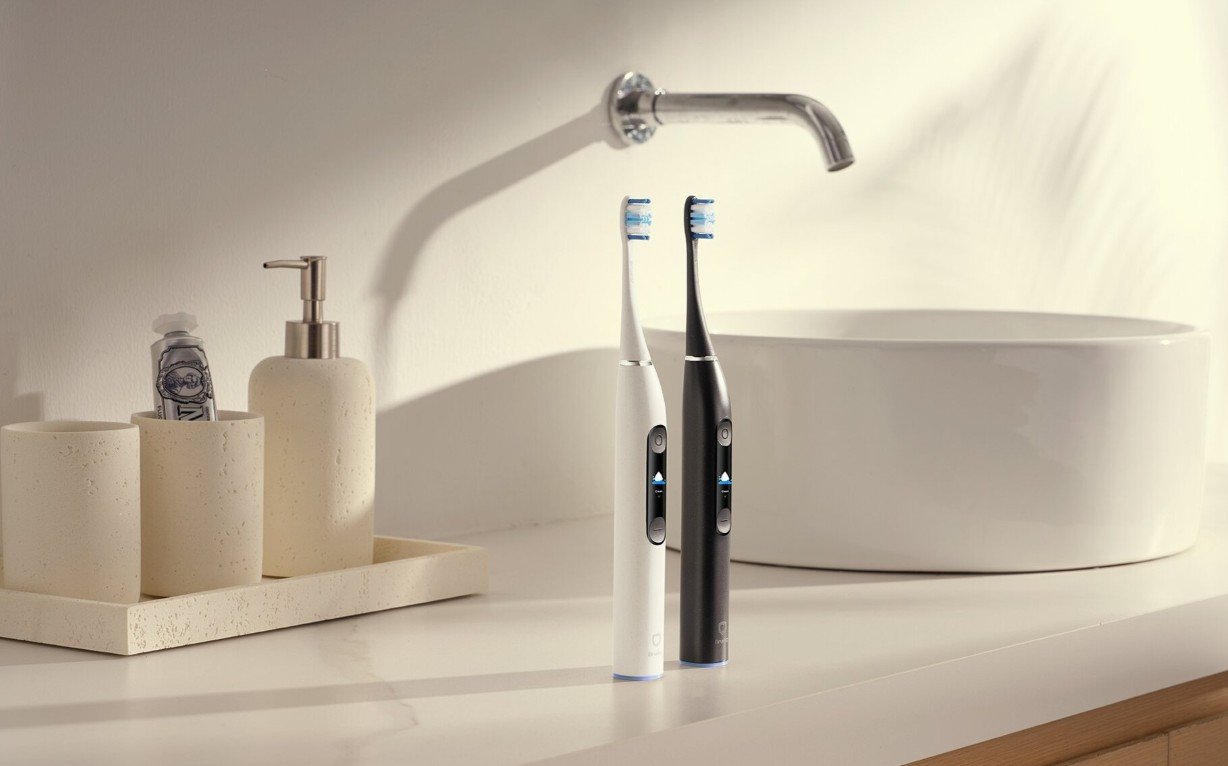
Are Electric Toothbrushes Better Than Manual Ones?
Are Electric Toothbrushes Better Than Manual Ones?
Dentists have been nudging patients toward electric toothbrushes for years, and the bathroom aisle now devotes more shelf space to them than to manual brushes. But at £30 to £300, it’s fair to ask: is the upgrade genuinely worth it, or is it clever marketing? I switched five years ago on my dentist’s advice, and my hygienist noticed the difference before I mentioned it. “are electric toothbrushes better than manual ones” — let’s get into it properly, with the detail and straight talking the question deserves.
The short answer: yes, electric toothbrushes clean better on average — but technique matters more than technology, and a manual brush used well beats an electric used badly. Here’s what the evidence says and how to choose.
What the research actually shows
The most-cited evidence is a Cochrane review — the gold standard of evidence summaries — which found that powered toothbrushes reduce plaque by about 21 percent and gum inflammation (gingivitis) by about 11 percent more than manual brushes over three months. An 11-year observational study of over 2,800 adults found electric users had significantly less tooth loss and gum disease progression. That’s not marketing; that’s consistent, replicated findings.
Why do they work better? Two reasons. First, the oscillating or sonic motion delivers thousands of brush strokes per minute — far more than your hand manages. Second, and I think more importantly, they compensate for human laziness: the built-in two-minute timer stops the classic 45-second “brush,” and pressure sensors stop you scrubbing too hard (over-brushing genuinely damages gums and enamel — I was a culprit).
That said, the gap narrows with excellent technique. A manual brush used for a full two minutes, twice daily, with proper technique (45-degree angle to the gumline, gentle circles, all surfaces) cleans very well. The problem is that almost nobody does this consistently — which is exactly why electrics win in real-world studies.
Oscillating vs sonic: which type?
The two main technologies: oscillating-rotating (Oral-B’s approach — small round head that rotates and pulsates) and sonic (Philips Sonicare’s approach — high-frequency side-to-side vibration). Both beat manual; head-to-head, oscillating-rotating has a slight edge in some plaque studies, but the difference is small enough that comfort and preference matter more.
Round heads (Oral-B) suit people who like to work tooth-by-tooth; the small head reaches back molars easily. Sonic brushes (Philips) have a familiar brush shape and a gentler feel many people prefer, especially with sensitive gums. Battery life differs wildly — some last two weeks, premium models claim months — worth checking if you travel.
- Budget (£25–£50): basic Oral-B or Philips models — clean just as well as pricier ones
- Mid-range (£50–£120): pressure sensor, multiple modes, better battery — the sweet spot
- Premium (£150–£300): apps, position tracking — nice but unnecessary for most
- Kids: smaller heads, fun timers; electrics work well for reluctant brushers
My honest recommendation: a £40 to £70 brush with a pressure sensor and timer does 95 percent of what a £250 one does. Replacement heads cost £3 to £6 each (change every three months); supermarket own-brand compatible heads are fine and much cheaper.
When a manual brush is perfectly fine
Electrics aren’t mandatory. Manual brushes are cheap, travel-friendly, need no charging, and create less electronic waste. If your technique is genuinely good — full two minutes, proper angle, not scrubbing — and your dentist is happy with your gum health, there’s no urgent reason to switch. Some people with very sensitive teeth or certain disabilities actually do better with a soft manual brush they fully control.
What matters more than electric vs manual: brushing twice daily with fluoride toothpaste (1,350–1,500ppm fluoride — check the tube), not rinsing after brushing (spit, don’t rinse, so the fluoride keeps working), cleaning between teeth daily (floss or interdental brushes — this is the step almost everyone skips and dentists care about most), and seeing a dentist regularly. An electric brush plus no flossing still loses to a manual brush plus flossing.
Children’s teeth, brace-wearers, and people with gum disease tend to benefit most from switching — the timer and pressure sensor solve the exact problems these groups have. If you’re on the fence, ask your dentist at your next check-up: “Is my brushing effective, or would electric help me specifically?” They see your plaque; they’ll know. For related dental costs, see how much Invisalign costs in the UK.
The two-minute technique that matters more than the brush
Here’s the uncomfortable truth the toothbrush industry won’t headline: most people brush for 45 seconds, miss the same spots every time (behind the lower front teeth, the backs of molars), and scrub horizontally like they’re cleaning grout. An electric brush fixes the timing automatically, but technique still matters enormously.
The method dentists teach: angle the bristles 45 degrees to the gumline — half on tooth, half on gum. For oscillating brushes, guide the head slowly tooth by tooth, pausing a few seconds on each; let the brush do the work, don’t scrub. For sonic brushes, use small gentle strokes. Cover outer surfaces, inner surfaces, and chewing surfaces of every tooth, systematically — many people do quadrants (30 seconds each, which is why brushes pulse every 30 seconds). Brush the tongue gently or use a tongue scraper; it’s a major source of bad breath.
Two rules that surprise people: don’t rinse after brushing — spit out the excess and let the fluoride keep working (this alone improves cavity prevention measurably). And wait 30 minutes after acidic food or drink (fruit, wine, fizzy drinks) before brushing, because acid softens enamel temporarily and immediate brushing wears it away. Technique done right, twice daily, with interdental cleaning — that’s the whole game, electric or manual.
What about water flossers?
Water flossers (Waterpik is the best-known brand, £40–£90) get asked about constantly, so here’s the honest verdict: they’re a useful addition, not a replacement for floss or interdental brushes. The evidence shows they reduce gum inflammation and are particularly good for brace-wearers, people with implants, and anyone who finds string floss fiddly. For everyone else, traditional interdental brushes clean between teeth more effectively and cost far less.
Think of the hierarchy like this: an electric toothbrush handles the tooth surfaces; something must handle the gaps between teeth, where gum disease starts. Interdental brushes (£3–£5 for a pack, sized to your gaps — ask your dentist which size) are the first choice. Floss works where brushes don’t fit. A water flosser is a reasonable third option or a supplement, especially if dexterity is an issue. But an electric toothbrush plus nothing-between-the-teeth is still an incomplete routine, however premium the brush.
Are Electric Toothbrushes Better Than Manual Ones: The Short Answer
Electric brushes clean better on average thanks to timers and pressure sensors — a £40–£70 model does 95 percent of what premium ones do — but twice-daily fluoride brushing plus interdental cleaning matters most. Related reading: Invisalign costs in the UK and NHS advice on keeping teeth clean.