
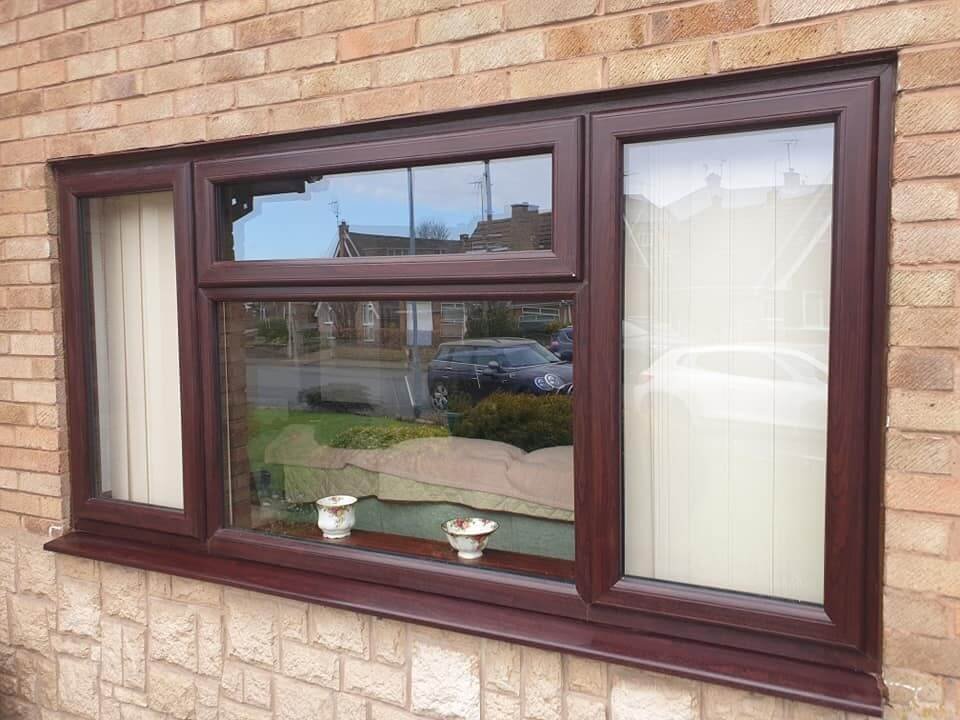
Double Glazing Cost Per Window UK 2026: Real Prices
Double Glazing Cost Per Window UK 2026: Real Prices
Double glazing quotes are notorious for varying wildly — £300 per window from one firm, £1,200 from another, for seemingly the same job. Here’s how much double glazing costs per window in the UK in 2026, what drives the price, and how to avoid getting fleeced.
Typical prices per window (supplied and fitted)
- Standard uPVC casement: £350–£600 per window
- Large uPVC / bay window: £800–£1,500
- uPVC sash (vertical slider): £700–£1,200 — pricier mechanism
- Aluminium: £600–£1,000 per window — slimmer frames, modern look
- Timber / timber-alternative: £800–£1,500 — for period properties
- Small bathroom window: £250–£400
A typical 3-bed semi with 8–10 windows: £3,500–£7,000 all-in for uPVC. Whole-house jobs get better per-window rates than one-offs.
What drives the price?
- Frame material: uPVC cheapest; aluminium and timber cost 50–100% more
- Window style: sash and bay windows cost more than simple casements
- Glass spec: A-rated, argon-filled, low-E glass is standard now; triple glazing adds 20–30%
- Installation complexity: stone mullions, lintel work, or full-frame replacement (vs retrofit) add cost
- Location: London and the South East run 15–25% above the national average
- Company type: national firms (Everest, Anglian) charge most; local independents are usually 20–40% cheaper for equivalent quality
How to get a fair price
- Get 3–4 quotes — at least two from local independents, not just the nationals.
- Never accept the “today only” discount. The 50%-off-today price is the actual price; the “full” price is fiction. Tell them you’ll decide next week and watch the discount survive.
- Ask for itemised quotes: per-window breakdown, glass spec, guarantees.
- Check FENSA or CERTASS registration — legally required for replacement windows in England and Wales (it’s how building regs compliance is certified). Verify at fensa.org.uk.
- Guarantee: 10 years on frames and installation is standard. Get it in writing.
- Read recent reviews — installation quality matters more than the window brand.
Is it worth it? The payback question
Replacing single glazing with A-rated double glazing in a typical semi saves roughly £150–£250/year on heating (Energy Saving Trust). On a £5,000 install, that’s a 20–30 year payback — so don’t do it purely for energy savings. The real value is comfort (no draughts, warm glass), noise reduction (huge near roads), security, and property appeal. If your frames are rotten or the seals have failed (misted units), replacement is maintenance, not investment — see repair vs replace.
Cheaper alternatives
- Replace blown units only (£80–£200 per unit) if frames are sound — fixes misting without new frames
- Secondary glazing (£300–£500/window) — excellent for noise and period homes
- Draught-proofing (£100–£200 whole house) — the budget comfort win
- Window film (£20–£50 DIY per window) — marginal, but better than nothing on single glazing
The bottom line
Budget £400–£600 per standard uPVC window fitted, get multiple quotes from FENSA-registered local firms, and ignore all “today only” theatre. Double glazing pays back in comfort, quiet and security far more than in energy savings — so buy it for the right reasons, and fix misted units or rotten frames promptly rather than living with them for years.
Triple glazing: worth the upgrade?
Triple glazing adds 20–30% to the window cost for a modest thermal improvement (U-value ~0.8 vs ~1.2 for good double). In most of the UK, the payback on energy savings alone is poor — 30+ years. Where triple glazing earns its place: noisy locations (the acoustic improvement over double is significant — near airports, railways, busy roads), north-facing rooms that never warm up, and Passivhaus / ultra-low-energy builds where every watt counts.
For a standard UK semi in a quiet street, A-rated double glazing is the sweet spot — triple is overspending. But if you’re replacing windows anyway on a noisy road, the triple upgrade (£50–£100 extra per window) is cheap acoustic insulation. Don’t let a salesperson upsell triple glazing on energy savings alone — the numbers don’t support it in our climate.
Double glazing FAQs
How long do double-glazed windows last? 20–30 years for quality uPVC frames; the sealed units typically last 15–25 years before misting. Aluminium lasts longer (30–40 years); timber longer still with maintenance. Budget frames in exposed locations: 15 years.
What does FENSA registration mean? FENSA (or CERTASS) certification proves your replacement windows comply with building regulations — it’s a legal requirement in England and Wales. You should receive a certificate within weeks of installation; you’ll need it when selling. No certificate = potential conveyancing headache.
Can I install double glazing myself? Legally you can, but you must notify building control yourself (£200–£400) since you can’t self-certify like a FENSA installer. And window installation is skilled — badly fitted windows leak, draught and fail early. The saving rarely justifies the risk and hassle.
Do I need planning permission? Usually no for like-for-like replacements. Yes (or listed building consent) for listed buildings, and sometimes in conservation areas or for material changes (e.g. uPVC in a timber-window street under an Article 4 direction). Check with the council if in doubt.
What’s the best time of year to buy? January–February — installers are quietest, discounts deepest. Avoid the autumn rush when everyone’s panic-buying before winter. And never buy at a home show on the day — the “show discount” survives a phone call the following week, I promise.
Negotiating: how the window trade really prices
Window sales has a reputation for theatre — here’s how to see through it. The “50% off today only” discount is fiction; the discounted price is the real price, and it will still be available next week (test this by saying you’ll think about it — the price survives remarkably often). Genuine negotiation levers: getting multiple quotes (tell each company you’re comparing — prices drop 10–20%), booking in quiet periods (January–February), paying cash/bank transfer promptly (some independents discount 5% for no-finance deals), and bundling (whole-house jobs get better per-window rates than twos and threes).
What not to do: don’t negotiate purely on price with no reference to specification — a cheap quote with C-rated glass and no FENSA certificate isn’t a bargain. Negotiate the specification up as well as the price down: “match their price but with A-rated glass and trickle vents included.” And get everything in writing — the verbal promises of salespeople evaporate; the written quote is what counts. The best deal isn’t the lowest number — it’s the best specification at a fair price from an installer with excellent reviews.
Related reading
Before replacing, read repair vs replace: how to decide and stopping window condensation.