
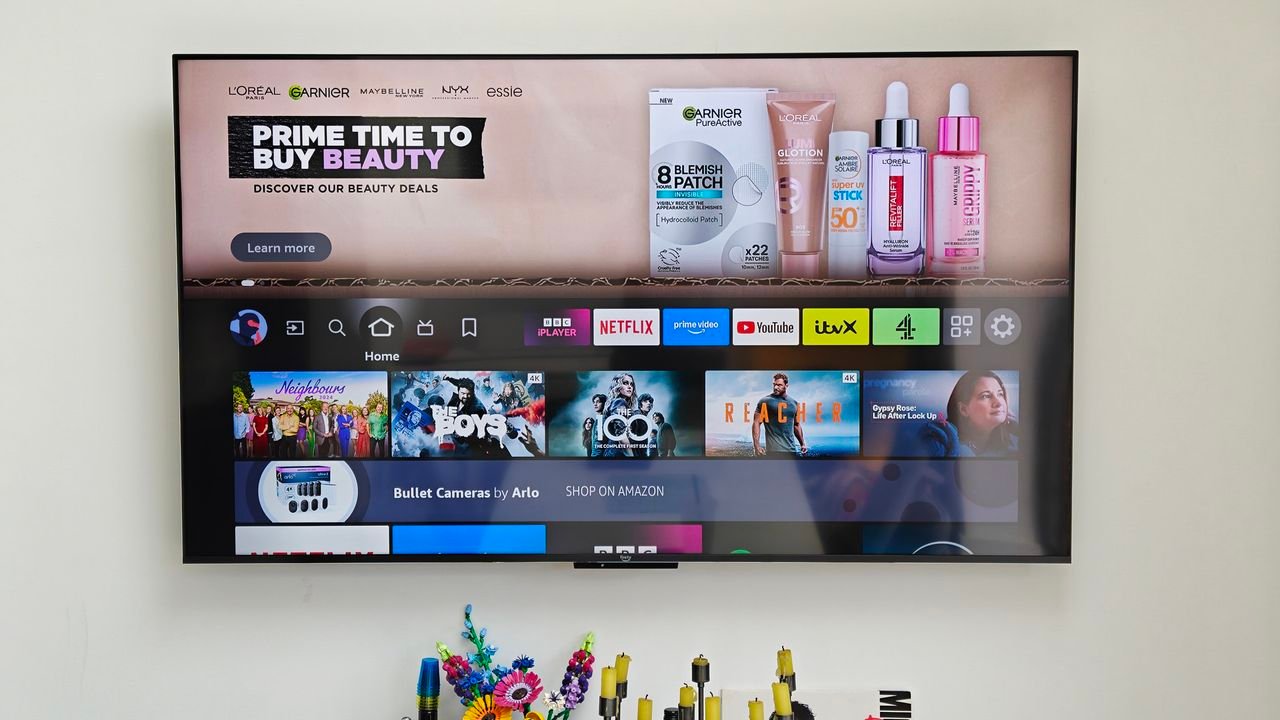
Smart TV Prices in the UK (2026): What You’ll Actually Pay
Smart TV Prices in the UK (2026): What You’ll Actually Pay
How much does a smart TV cost in the UK in 2026? A decent 43-inch starts around £250, the popular 55-inch sweet spot sits at £350-£600, and premium 65-inch OLEDs run £1,200-£2,000. Prices have fallen so far that the TV is often the cheapest part of a living-room upgrade — it’s the soundbar that’ll get you.
If you’ve been putting this off, you’re not alone. Most of us stick with what we’ve got far longer than we should, mainly because working out the alternatives feels like hard work. It isn’t, once someone lays it out plainly. That’s what this guide does — no jargon, no sales pitch, just the facts as they stand in 2026. If that’s on your mind too, have a look at our guide to why is my phone battery draining so fast and how do I fix it — it pairs naturally with everything below.
How much does a smart TV cost in the UK in 2026? By size
The key points, stripped of fluff:
- 32-43 inch (£180-£350): perfect for bedrooms and kitchens. TCL, Hisense and Amazon’s Fire TVs dominate — perfectly watchable, just don’t expect cinematic contrast.
- 50-55 inch (£300-£650): the UK’s most-bought size. £400-£500 buys a genuinely good QLED from TCL, Hisense or Samsung with proper 4K HDR.
- 65 inch (£500-£1,100): mid-range QLEDs live here; the price jump from 55″ is smaller than it used to be, making this the value sweet spot for film fans.
- 75 inch+ (£900-£2,500): big-screen territory. Budget brands make 75″ affordable around £900; premium OLEDs at this size are serious money.
- OLED premium (£1,000-£2,500): LG C-series and Samsung S90 models — the best picture money can buy, worth it if you watch films in a dark room.
Right — with the basics covered, let’s get into the detail that actually affects your wallet. Worth a read alongside this: our guide to which is better for streaming in the uk netflix or disney plus.
OLED vs QLED vs basic LED: what your money buys
OLED gives perfect blacks and infinite contrast — the picture quality jump is immediately obvious, especially for films and prestige TV. But OLEDs cost roughly double the equivalent-size QLED and can suffer image retention if you leave news channels on all day.
QLED (Samsung, TCL, Hisense) is the sensible middle: much brighter than OLED, so better for sunny living rooms, with very good colour for 40-60% less money. For most UK living rooms — bright, used for everything from breakfast news to Match of the Day — QLED is honestly the better buy.
Basic LED/LCD under £300 is fine for casual viewing but washes out in dark scenes. If you watch a lot of drama after dark, stretch to QLED; your eyes will thank you.
If there’s one mistake I see repeated, it’s rushing this decision on a lunch break and regretting it for eighteen months. Take the extra ten minutes — this section repays it.
The costs nobody puts on the price tag
Boiled down to what matters:
- Soundbar (£100-£300): modern TVs are too thin for decent speakers. Budget this from day one — it’s the biggest quality-of-life upgrade.
- Wall mounting (£30-£150): a bracket is £30 DIY; professional mounting with cable hiding runs £100-£150.
- TV licence (£174.50/year): you need one to watch live TV or BBC iPlayer on any device — factor it in.
- Streaming subscriptions: £5-£18/month each. Two or three services can exceed the TV’s cost within two years.
- Delivery and installation: free from most retailers, but old-TV recycling sometimes costs £20-£30.
When to buy for the lowest price
TV prices follow a reliable calendar: Black Friday (late November) and the January sales are the deepest discounts, with last year’s models dropping 25-40%. New models launch in spring at full price — never buy then unless you must.
My strategy: decide your size and panel type, shortlist two models, and set price alerts on a comparison site from October. When Black Friday hits, you’ll know a genuine deal from a fake ‘was’ price. And check the model year — a 2024 OLED at clearance often beats a 2026 budget QLED for the same money.
Quick answers
How long does sorting out smart TV prices usually take?
Less time than you’re probably imagining. The research takes an evening, the decision takes a day of mulling over, and the actual doing is usually under two hours. What stretches it into weeks is dithering — half-decided, tab-hoarding limbo. Pick a deadline, gather the facts from this guide, make the call, and move on. Done beats perfect here, every single time.
What’s the biggest mistake people make with smart TV prices?
Rushing in without comparing options. Most people grab the first smart TV prices deal they see — usually an advert or a mate’s recommendation — and never check whether it actually fits their situation. Spend an hour comparing two or three alternatives, read the small print on the cheapest one, and you’ll dodge the regret that lands three months later when the bills arrive or the limitations start to bite.
Can I handle smart TV prices myself, or do I need professional help?
It depends on complexity and stakes. Straightforward smart TV prices tasks are well within DIY territory with a decent guide — most people manage fine and save a packet. But when money, legal compliance or safety are involved, professional help pays for itself quickly. My rule of thumb: DIY when the worst case is a wasted afternoon; call in a pro when the worst case is wasted money or a legal headache.
Pro tip: for smart TV prices, the middle of the market is usually the sweet spot. The cheapest tier cuts the corners you’ll notice every single day; the premium tier charges for bragging rights. Buy the best of the mid-range and you’ll rarely regret it.
So, what’s the verdict?
£400-£600 buys an excellent 55-inch QLED in 2026, and £1,200+ gets you into OLED. Buy around Black Friday, budget for a soundbar, and remember the subscriptions will cost more than the TV within a couple of years.
That’s the full picture as it stands. Markets move and deals change, but the principles above hold — match the choice to your real needs, read the small print, and don’t pay for things you won’t use. Final thought: the market rewards people who shop around and punishes people who don’t. You’re now in the first group. For the official word, see Which? Best Buy TVs. TV Licence official site is also worth a look for independent comparisons. And if you’re still weighing things up, our guide to how do I transfer data from an old phone to a new one covers the next question most people ask.