
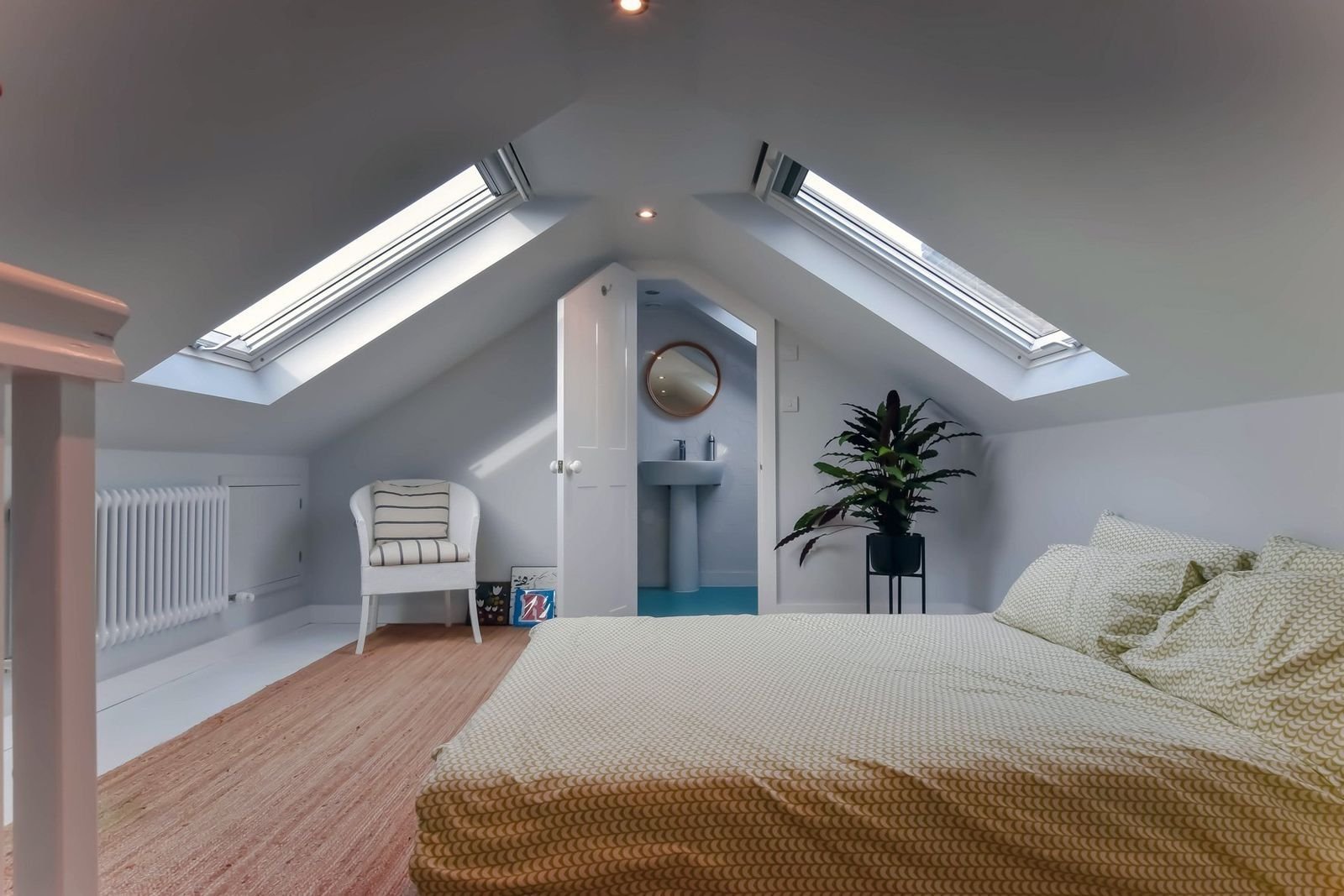
Loft Conversion Cost in London 2026: Real Prices by Type
Loft Conversion Cost in London 2026: Real Prices by Type
London loft conversions cost more than anywhere else in the UK — sometimes dramatically. Here’s how much a loft conversion costs in London in 2026, what drives the price, and whether it’s actually worth it.
Typical London prices by type
- Rooflight (Velux) conversion: £30,000–£50,000
- Rear dormer: £50,000–£80,000 — the classic London conversion
- L-shaped dormer (rear + side, on Victorian terraces): £60,000–£95,000
- Hip-to-gable + dormer: £65,000–£100,000
- Mansard: £70,000–£120,000+
Outside London, deduct 20–30%. Within London, central boroughs (Kensington, Westminster, Camden) run 15–25% above outer London.
What’s included (and what isn’t)
A proper quote should cover:
- Structural work: steel beams, floor joists, dormer construction
- Roofing, windows, insulation
- Staircase (often the trickiest design element — it eats landing space below)
- Electrics, plumbing, heating extended to the new floor
- Plastering and second fix (doors, skirting, architrave)
- Building control fees and structural engineer calculations (£1,500–£3,000)
Often extra: en-suite bathroom (£5,000–£10,000), bespoke joinery, decoration, Party Wall surveyor fees (£700–£2,000 per neighbour), planning application fees if needed.
What drives London prices up?
- Labour costs: London trades charge 30–50% more
- Access: terraced streets with no parking, scaffolding licences (£500–£1,500), restricted working hours
- Party Wall Act: terraced houses mean 1–2 neighbours, each potentially requiring surveyors
- Structural complexity: Victorian terraces often need significant steelwork
- Parking and logistics: skip permits, material deliveries, congestion — it all adds up
Is it worth it? The value question
In most of London, yes — and often spectacularly:
- Adding a bedroom + bathroom typically adds 15–25% to property value in London
- On a £600,000 terrace, that’s £90,000–£150,000 of value from a £60,000–£80,000 conversion
- The maths is strongest for 2-bed → 3-bed conversions (crossing a bedroom-count threshold)
- Weaker in areas where £/sqft is low — run the numbers for your street, not London generally
Ceiling price warning: don’t over-improve beyond your street’s ceiling. A £100,000 mansard on a street of £450,000 houses won’t return its cost. Check sold prices on Rightmove for converted vs unconverted houses on your road.
Getting quotes
- Get 3–4 quotes from loft conversion specialists (not general builders — specialists are faster and often cheaper for standard dormers).
- Fixed-price contracts — never day-rate for a conversion.
- Check recent local work — ask to visit a finished conversion nearby.
- Confirm what’s excluded — decoration, en-suite, Party Wall fees are the classic extras.
- Verify insurance (public liability + contract works) and check reviews.
For choosing well, see finding a reliable builder and what should be in a building contract.
How long does it take?
See our full guide to loft conversion timelines — typically 8–12 weeks on site for a dormer, plus 2–3 months of design, approvals and Party Wall process beforehand.
The bottom line
Budget £50,000–£80,000 for a standard rear dormer loft conversion in London, all-in. In most London postcodes the value added exceeds the cost — but check your street’s ceiling price first. Use a specialist (not a general builder), get fixed-price quotes, budget for Party Wall fees, and never start without building regulations approval. Done right, it’s the single best-value improvement a London homeowner can make.
Where London loft costs hide (the extras list)
The headline quote is never the final cost. London-specific extras to budget: Party Wall fees (£700–£2,000 per neighbour — terraced houses have two), scaffolding licences (£500–£1,500 from the council for pavement scaffolding), parking suspensions (£50–£80/day per bay for skips and deliveries), structural engineer (£1,500–£3,000 — essential, not optional), building control fees (£800–£1,500), architect/drawings (£1,500–£4,000).
Then the fit-out extras quotes often exclude: en-suite (£5,000–£10,000), wardrobes/joinery (£2,000–£5,000), decoration (£1,500–£3,000), carpets/flooring (£1,000–£2,500), upgraded electrics (LED lighting schemes, extra sockets — £500–£1,500). A £55,000 “complete” quote easily becomes £70,000+ once everything’s included. Always ask: “what exactly is excluded?” — and budget 15% contingency on top of the all-in figure. In London, the realistic all-in for a dormer with en-suite is £65,000–£95,000.
London loft cost FAQs
Can I get a loft conversion for under £50,000 in London? A basic Velux conversion: yes (£30,000–£50,000) — no dormer, just roof windows, insulation and fit-out. A dormer: very difficult under £50k all-in once Party Wall, scaffolding and fees are counted. Anyone quoting £35,000 for a London dormer is either excluding essentials or about to discover them mid-project.
How much value does it add in London? Typically 15–25% of property value for an extra bedroom + bathroom — £90,000–£150,000 on a £600,000 property. The 2-bed to 3-bed jump adds the most (crossing a search-filter threshold on Rightmove). But check the ceiling price for your street — a £90,000 conversion on a street capped at £500,000 won’t return its cost.
Should I use a specialist loft company or a general builder? Specialist for standard dormers — they do 50+ a year, have the process dialled, and are often cheaper (economies of scale) as well as faster. Architect + general builder for complex projects (mansards, hip-to-gables, structural challenges) where design input matters. Never use a builder who’s “done a couple” — loft conversions punish inexperience.
How do I pay — stage payments? Never pay large sums upfront. Standard: 10–20% deposit, then stage payments tied to milestones (scaffolding up, watertight, first fix, plastering, completion), with 5–10% retention until snagging is done. See our building contract guide — get it all in writing.
Will I need to move out? Usually not — most families live through it. The structural phase (weeks 1–3, roof off) is the worst: noise, dust, scaffolding. If you work from home, plan to be elsewhere for those weeks. The fit-out phase is just inconvenient. Budget for extra cleaning (£200–£400 for a post-build deep clean — worth every penny).
Financing a London loft conversion
£70,000 is serious money — how do Londoners actually pay for it? Remortgaging is the most common route: borrowing against increased equity, often at mortgage rates (4–6%) rather than loan rates. Further advance from your existing lender is usually cheapest and simplest — ask before shopping elsewhere. Home improvement loans (£25,000–£50,000, 6–10% APR) suit smaller conversions (Velux) but get expensive at dormer scale. Savings: the cheapest money — no interest — but depletes the emergency fund; keep 3–6 months’ expenses back regardless.
The value equation for lenders: most lenders will lend for a loft conversion based on the post-works value — get an estate agent’s letter estimating the uplift (typically 15–25% in London) to support the application. Staged drawdown: some lenders release funds against completed stages — matching your stage-payment contract neatly. What not to do: credit cards (20%+ APR on £70,000 is financial self-harm), borrowing the full amount before getting quotes (borrow what you need, not what you’re offered), or starting work before finance is confirmed — builders don’t accept “the remortgage is nearly through” as payment.