
How Many Driving Lessons Do You Need on Average in the UK?
How Many Driving Lessons Do You Need on Average in the UK?
“How many lessons will I need?” is the first question every learner asks, and the answer nobody wants to hear: it depends. But “it depends” isn’t helpful when you’re budgeting £35 an hour, so let’s get specific. The official averages, what pushes you above or below them, and — most usefully — how to land on the low end without being a danger to other road users. This guide breaks down how many driving lessons you need on average in the UK — and how to legitimately need fewer of them.
How Many Driving Lessons You Need on Average: The Official Numbers
According to the DVSA, the average learner takes 45 hours of professional tuition plus 22 hours of private practice before passing. That’s the mean — the distribution is wide. Roughly:
- 20–30 hours: Fast learners, often with lots of private practice or prior experience (cycling in traffic, driving abroad).
- 40–50 hours: The typical band. Most learners land here.
- 60–80+ hours: Nervous drivers, those with big gaps between lessons, or learners in very challenging areas.
At £35/hour, the difference between 30 and 60 hours is over £1,000 — so understanding what moves the needle matters. (For the full cost picture, see how much learning to drive costs.)
What Pushes Your Number Up or Down
- Private practice (biggest factor). Learners who practise between lessons need significantly fewer paid hours. It’s the single best predictor of a low lesson count.
- Lesson frequency. Two hours a week beats one — skills decay between sessions. Gaps of 3+ weeks are lesson-count killers.
- Where you learn. Quiet suburban roads build basics fast; central London traffic is slow, stressful and expensive per skill learned.
- Age and experience. Younger learners often pick up car control faster; cyclists and motorbike riders already read traffic well.
- Nerves. Anxiety is the hidden lesson-multiplier. A good instructor who manages nerves saves you real money.
- Instructor quality. A structured instructor with a clear syllabus gets you test-ready faster than a chatty one who wings it.
How to Need Fewer Lessons (Legitimately)
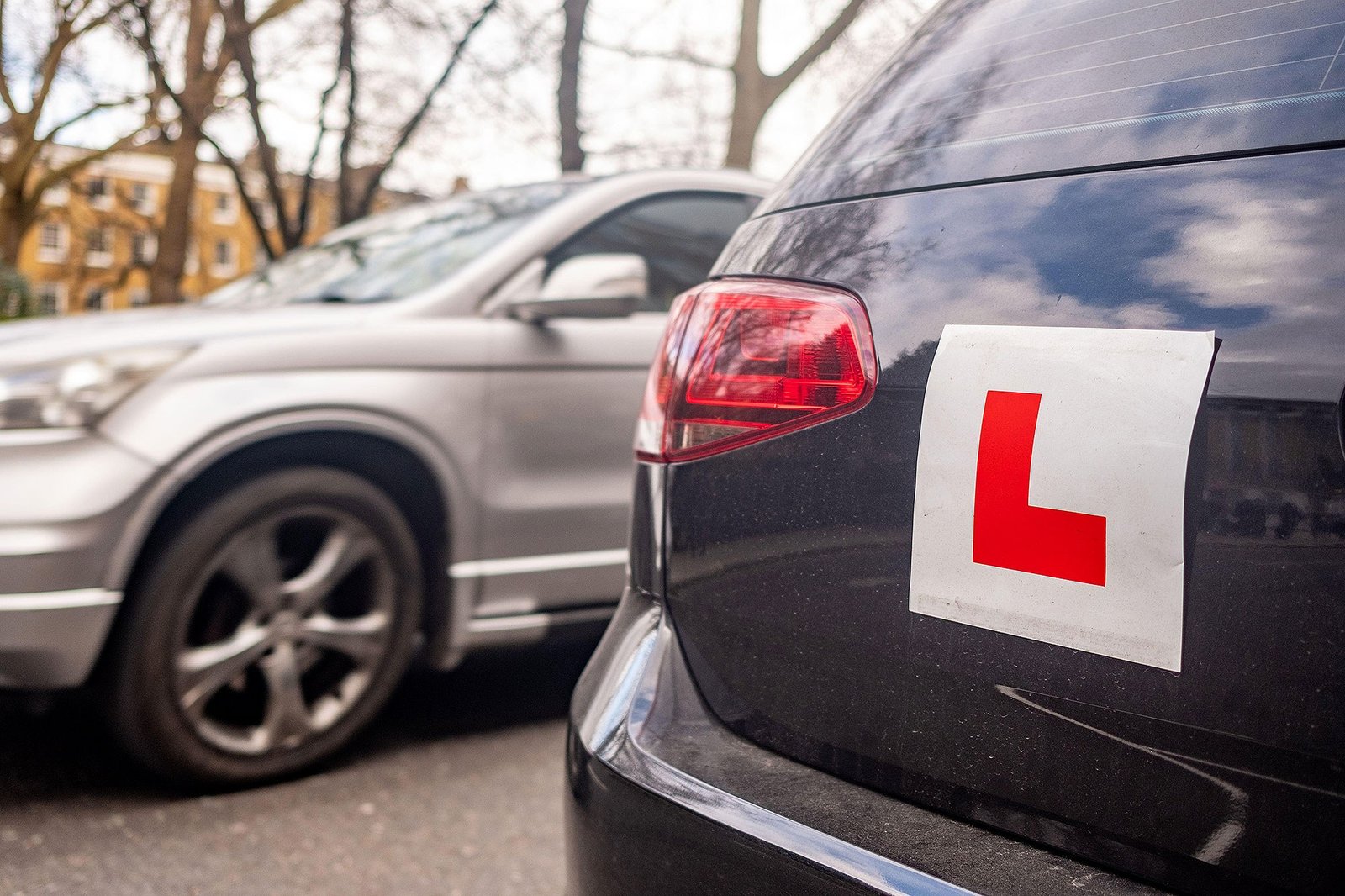
- Maximise private practice. Even a few hours a month with a parent or partner consolidates what lessons teach. You need L plates, a supervising driver (21+, 3+ years licensed), and proper insurance — many insurers offer learner policies from ~£70/month.
- Take 2-hour lessons. More seat time per pound, better skill retention per session.
- Learn the theory early. Pass your theory test first time and early — road knowledge learned in lessons is the most expensive way to learn it.
- Stay consistent. Same instructor, same car, regular slots. Chopping and changing resets progress.
- Record and review. Ask your instructor what to practise; dashcam-style review isn’t needed, but noting your weak manoeuvres and drilling them helps.
- Don’t book the test early to “try”. The pass rate is under 50%, and a fail costs £62–£75 plus remedial lessons. Go when your instructor says you’re ready.
The London Factor
London learners average more hours — traffic density means less actual driving per lesson (more sitting at lights) and test routes include genuinely tricky multi-lane roundabouts and bus lanes. If you can do some lessons or practice in quieter outer-London or home-counties areas, your per-hour progress will be faster. It’s worth discussing with your instructor.
Quality Over Speed: A Warning
Chasing a low lesson count is fine; rushing to test before you’re ready is not. The goal isn’t minimum lessons — it’s passing first time as a competent driver, because retests and remedial lessons cost more than the extra lessons would have. In my experience, learners who do 45 good hours and pass first time spend less overall than those who do 30 rushed hours and fail twice. Play the long game.
Choosing an Instructor: What Actually Matters
The instructor matters more than the car, the area, or the price. A great instructor gets you test-ready in 35 hours; a poor one strings you along for 70. What to look for:
- DVSA-approved (green badge). Check the badge in the windscreen — pink means trainee (legal, but less experienced). Verify on the gov.uk instructor finder.
- Structured syllabus. Ask how they track progress. “We’ll just drive around and see” is a red flag; a good instructor has a plan and a progress record.
- Pass rate honesty. Ask their first-time pass rate. Good instructors know it; evasive ones don’t want you to.
- Teaching style fit. Some learners need calm encouragement; others need direct correction. The trial lesson is an interview — trust your gut.
- Availability. An instructor with no slots for 3 weeks will stretch your learning over months. Regular weekly slots matter more than almost anything.
Red flags: pressuring you to book the test before you’re ready (failed tests mean more lessons for them), spending lesson time on their phone, or consistently running late. You’re paying £35+/hour — demand professionalism.
The Manoeuvres That Cost Lessons
Certain skills eat disproportionate lesson time. Front-load practice on these:
- Roundabouts: the #1 lesson-consumer, especially multi-lane. Learn the lane discipline rules cold from the Highway Code, then drill them.
- Parallel parking and bay parking: pure technique — learn the reference points once and they become automatic.
- Emergency stop: simple, but the instinct to check mirrors first must be unlearned.
- Independent driving: following sat-nav or signs for 20 minutes — practice making decisions without prompts.
- Show-me-tell-me questions: free marks if you learn them; dropped marks if you don’t. Two minutes of revision.
Ask your instructor to dedicate whole lessons to your weakest manoeuvre rather than sprinkling it into general driving — focused drilling is dramatically more efficient. And between lessons, visualise: mental rehearsal of manoeuvre sequences genuinely helps motor learning. For the full cost context, see learning-to-drive costs and theory test tips.
The Practical Takeaway
Plan for 40–50 hours of lessons plus as much private practice as you can get — and budget accordingly. Then work the levers: practise between lessons, take 2-hour sessions, stay consistent, and nail the theory early. The cheapest lesson is the one you don’t need because private practice covered it. And once you’ve passed, the next financial shock is insurance — our cheapest car insurance for new drivers guide will soften the blow.