
How to Pass Your Driving Theory Test First Time
How to Pass Your Driving Theory Test First Time
The theory test has a humbling effect on confident people. I know drivers-in-waiting who can reverse around a corner beautifully but got tripped up by stopping distances in the rain. The pass rate hovers around 45–50%, which means half of all candidates pay £23, wait weeks for another slot, and do it again. It’s an entirely avoidable fate — the theory test is one of the most passable exams in Britain if you prepare properly. Here’s how. This guide covers everything you need to pass your driving theory test first time — the study plan, the apps, and test-day tactics.
What the Test Actually Involves
Two parts, both must be passed in the same sitting:
- Multiple choice: 50 questions, 57 minutes. You need 43/50 to pass. Questions cover road signs, rules, safety, and attitude — drawn from a bank of over 1,000.
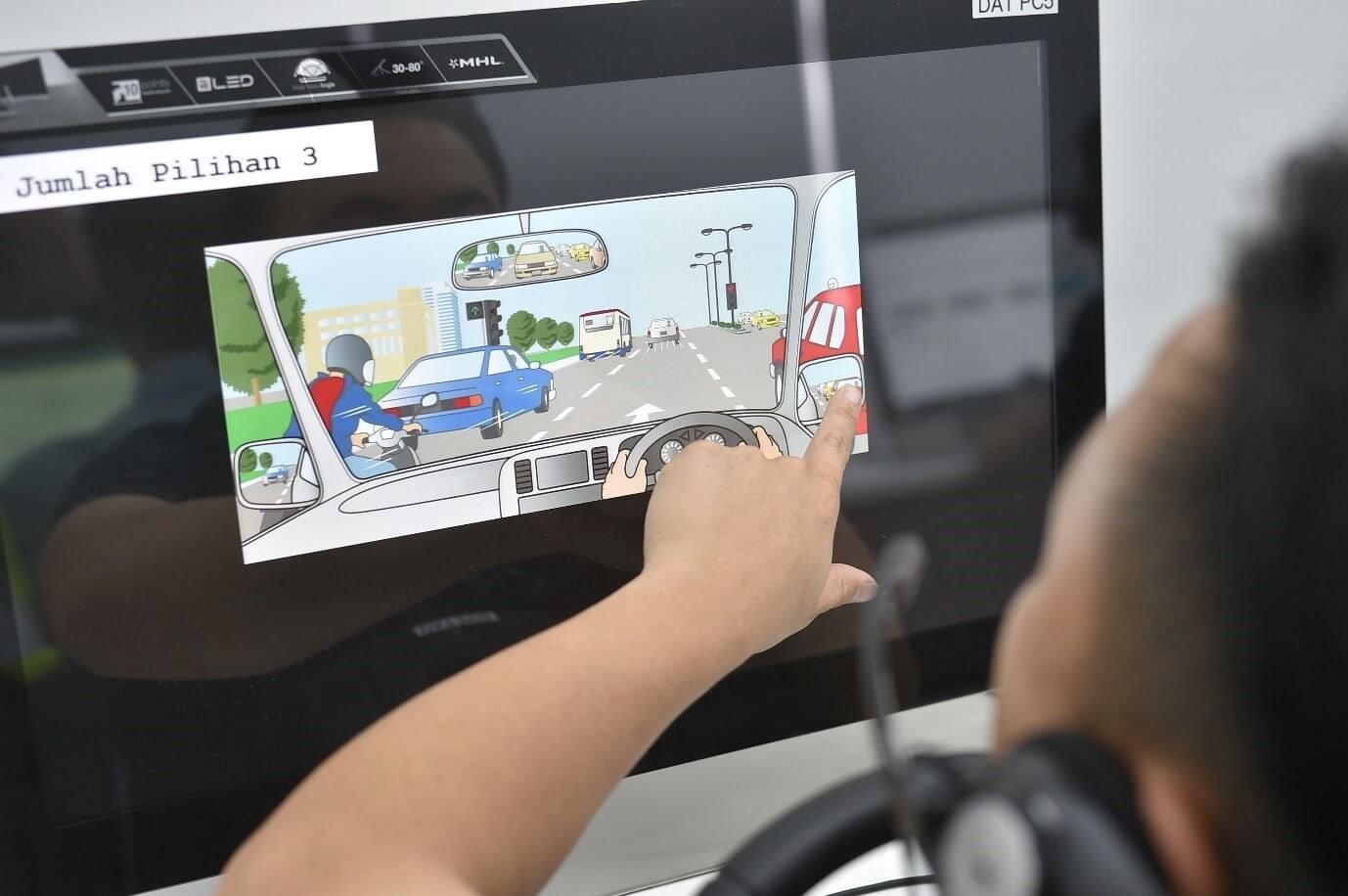
- Hazard perception: 14 video clips, 15 scorable hazards. You click when you spot a developing hazard; you need 44/75. One clip contains two hazards.
Fail either part and you retake (and repay for) the whole thing. Your pass certificate lasts two years — if you don’t pass the practical within that time, you redo the theory. Book only through the official gov.uk theory test booking service; third-party sites charge markups for the same booking.
The 2-Week Plan to Pass Your Driving Theory Test First Time
You don’t need months. You need focused, consistent practice:
- Days 1–3: Learn the Highway Code basics. Read the official Highway Code (free online) — or at minimum, road signs, speed limits, and right-of-way rules. Most multiple-choice failures come from never actually reading the source material.
- Days 4–10: Drill mock tests daily. Do 2–3 full mock tests a day using a reputable app. Aim for consistent 46+/50 before booking. Your weak topics will emerge — road markings, stopping distances, vehicle loading — so target those specifically.
- Days 11–14: Hazard perception practice. This is where confident drivers fail. The scoring window opens as a hazard develops — clicking too early (before it develops) or too late scores zero. Practice until you’re consistently scoring 55+.
Hazard Perception: The Part People Fail
The most common failure modes:
- Clicking too late. The scoring window is early in the hazard’s development. If you’re waiting until it’s obvious, you’ve missed the points.
- Clicking in patterns. Rhythmic or repeated clicking gets you zero for the clip — the system detects it. Click deliberately: once when you first spot the potential hazard, again as it develops.
- Missing the second hazard. One clip has two scorable hazards. Stay alert after the first.
- Not scanning. Check mirrors, side roads, pedestrians on pavements, parked cars with brake lights. Hazards develop from the edges of the frame.
In my experience, 30 minutes of hazard perception practice daily for a week takes most people from failing to comfortable. It’s a skill, not knowledge — it responds to reps.
Best Apps and Resources
- Official DVSA Theory Test Kit app (£4.99) — the real question bank and hazard clips. Worth every penny; free apps often use outdated questions.
- The Highway Code (free on gov.uk) — the source of truth.
- Know Your Traffic Signs (free PDF from gov.uk) — signs are heavily tested and easy marks once learned.
Avoid random free quiz sites with questionable question banks — learning wrong answers is worse than learning nothing.
Test Day Tips
- Arrive 15 minutes early with your photocard licence. No licence, no test, no refund.
- You get 15 minutes of practice before the real thing — use it to settle nerves, especially for hazard perception timing.
- Flag difficult multiple-choice questions and return to them; don’t burn minutes on one stumper.
- For hazard perception: click when you see something that might develop, click again as it does. Better one well-timed click than five panicked ones.
After You Pass
Celebrate — then keep the knowledge fresh, because the practical test examiners expect theory-level road knowledge. Your certificate lasts two years, so there’s no rush, but momentum matters: learners who go straight into regular practical lessons pass faster. For the full journey cost, see how much learning to drive costs and how many lessons you’ll need.
The Questions People Get Wrong Most
Certain topics trip up candidates disproportionately. Drill these specifically:
- Stopping distances: learn the Highway Code table (thinking + braking distance at each speed). Questions love wet/icy multipliers (×2 in wet, ×10 in ice).
- Road signs: triangular (warning), circular (orders), rectangular (information). Blue circles = must do; red circles = must not. Sign shapes alone answer many questions.
- Motorway rules: no stopping, no reversing, minimum speeds, lane discipline, what to do on breakdown (hard shoulder, hazards, exit the vehicle, use emergency phones).
- Vulnerable road users: pedestrian crossings (zebra vs pelican vs puffin vs toucan), cyclist passing distances (1.5m), horse riders (2m, slow).
- Documents and legalities: what to produce after an accident, insurance requirements, MOT rules, drink-drive limits.
- Vehicle loading and towing: roof loads, trailer rules — boring, heavily tested.
Common Theory Test Day Mistakes
- Not bringing the right licence. Photocard required; paper counterpart alone won’t do. No licence = no test = no refund.
- Arriving late. Late = turned away. Aim 20 minutes early.
- Rushing the multiple choice. You have 57 minutes for 50 questions — that’s over a minute each. Use the flag-and-return strategy for hard ones.
- Over-clicking hazard perception. The system penalises patterned clicking. Click deliberately: spot, click; developing, click again.
- Not doing the practice session. The 15-minute pre-test practice calibrates you to the exact interface and timing. Skipping it to “save time” is false economy.
- Booking through a third-party site. Only gov.uk — resellers charge £20–£40 extra for the identical booking.
If You Fail: The Comeback Plan
Failing isn’t the end — nearly half of candidates fail at least once. The rules: you must wait 3 working days before rebooking, and you retake (and repay for) both parts. The comeback plan:
- Your result letter shows which topics you failed — target those specifically, not everything.
- If hazard perception was the issue, it’s a skills gap: 30 minutes daily practice for a week fixes most failures.
- If multiple choice failed, it’s usually 2–3 weak topics — drill them with the DVSA app’s topic filters.
- Don’t rush the rebooking to “get it over with” — rebook when mocks say you’re ready, not when pride says so.
For what comes after the theory, see how many lessons you’ll need and the full cost of learning.
The Practical Takeaway
Passing first time comes down to: read the Highway Code, drill mocks until you’re consistently at 46+/50, practice hazard perception daily for a week (click early, click deliberately), and use the official DVSA app. Two focused weeks beats two distracted months. It’s £23 and an hour of your life — prepare properly and you’ll never have to think about it again.
One thought on “How to Pass Your Driving Theory Test First Time”