
How to Stop Spam Calls on Your Mobile in the UK
How to Stop Spam Calls on Your Mobile in the UK
How do I stop spam calls on my mobile in the UK? You’re not imagining it getting worse — nuisance calls have surged, and the ‘Microsoft support’ and ‘car accident claim’ merchants are relentless. The good news: a combination of free phone settings, network-level blocking and one key registration can cut them by 90% or more.
I’ve spent enough time comparing stopping spam calls across the UK to know the headline figures rarely tell the full story. Prices shift between providers, the small print hides the real cost, and what works brilliantly for a mate in Manchester might be a poor fit for a flat in London. So let’s cut through the noise and look at what actually matters. If that’s on your mind too, have a look at our guide to can I use a us-bought phone on a uk network — it pairs naturally with everything below.
How do I stop spam calls on my mobile in the UK? Start with these
Walk through these in order and you’ll be sorted:
- Register with the TPS: text ‘TPS’ to 78070 or register at tpsonline.org.uk — it’s free and makes unsolicited sales calls illegal. Takes 28 days to fully kick in.
- Silence unknown callers (iPhone): Settings > Phone > Silence Unknown Callers — unknown numbers go straight to voicemail.
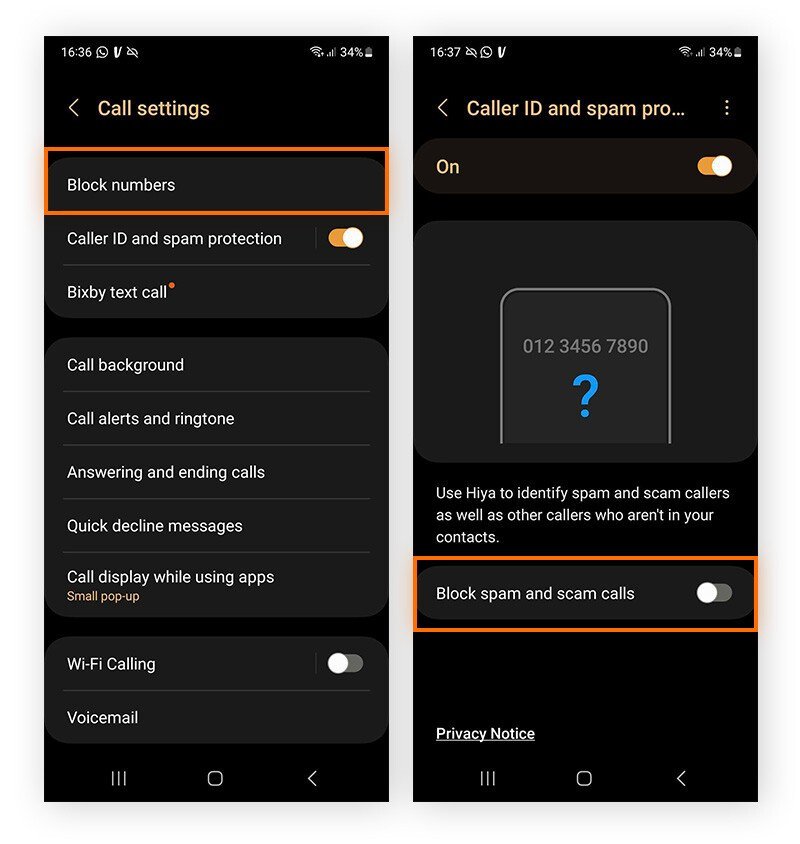
- Use Android’s spam protection: Phone app > Settings > Caller ID & spam — enable ‘Filter spam calls’ to auto-block known spammers.
- Turn on your network’s blocking: EE, O2, Vodafone and Three all offer free spam-call blocking — check your network’s app or website to activate it.
- Never engage: don’t press buttons, don’t say ‘remove me’ — any response confirms your number is live and increases calls.
Right — with the basics covered, let’s get into the detail that actually affects your wallet. Worth a read alongside this: our guide to what is the difference between fibre and full fibre broadband.
Why the TPS doesn’t stop everything
The Telephone Preference Service only covers legitimate UK companies making sales calls — and those mostly comply. It does nothing against scammers, who are criminals ignoring the law from overseas call centres. That’s why you registered with the TPS months ago and the ‘HMRC lawsuit’ calls kept coming.
For scam calls, phone-level blocking is your real defence. Modern iPhones and Androids identify suspected spam automatically, and networks are getting better at blocking spoofed numbers at source. Ofcom has been pushing networks to block obviously fake caller IDs, which has cut some scam types noticeably — but it’s an arms race, not a victory.
A quick word from experience: don’t decide on price alone. The cheapest option has a habit of costing more in hassle, and I’ve learned that lesson the expensive way more than once.
Dealing with persistent scammers
The key points, stripped of fluff:
- Block and report: block the number, then report scam texts to 7726 (free) and scam calls to your network.
- Don’t call back unknown numbers — premium-rate callbacks are a classic trap.
- Check haveibeenpwned: if your number leaked in a breach, expect more spam — extra vigilance for a few months.
- Consider a new number as a last resort if you’re getting dozens daily — drastic but effective.
- Warn vulnerable relatives: elderly family members are the prime targets. Set up their blocking for them.
What about call-blocking apps?
Apps like Truecaller can help, but they work by uploading your contacts to their database — a privacy trade-off many people don’t realise they’re making. In my view, the built-in iPhone/Android blocking plus your network’s free service covers 90% of cases without handing your address book to a third party.
One exception: if you’re self-employed and can’t silence unknown callers (because clients!), a screening approach works better — let unknown numbers go to voicemail and call back the legitimate ones. Genuine callers leave messages; scammers never do.
Quick answers
Is the cheapest stopping spam calls option ever the right choice?
Sometimes — but rarely for the reasons people think. The cheapest stopping spam calls option works fine when your needs are simple and the product is basically a commodity. It falls apart when reliability, support or longevity matter. Ask yourself one question: what’s the cost if this goes wrong? If the answer is ‘a bad afternoon’, go cheap and cheerful. If it’s ‘hundreds of pounds or weeks of hassle’, pay the middle price and sleep well.
How much should I realistically budget for stopping spam calls?
More than the headline price, less than the premium option. A sensible budget for stopping spam calls sits in the middle of the market — enough to avoid the cut corners of the cheapest tier, without paying for features you’ll never touch. Add 15-20% contingency for the extras nobody mentions upfront, and you’ll land about right. The people who blow the budget are the ones who budgeted for the advert price instead of the real one.
What’s the biggest mistake people make with stopping spam calls?
Rushing in without comparing options. Most people grab the first stopping spam calls deal they see — usually an advert or a mate’s recommendation — and never check whether it actually fits their situation. Spend an hour comparing two or three alternatives, read the small print on the cheapest one, and you’ll dodge the regret that lands three months later when the bills arrive or the limitations start to bite.
Pro tip: whatever you decide about stopping spam calls, set a calendar reminder to review it in a year’s time. Prices, products and your own needs all shift — the people who get the best value long-term are the ones who revisit decisions, not the ones who choose perfectly on day one.
What I’d actually do
Register with the TPS, enable your phone’s built-in spam filtering and your network’s blocking, and never engage with scammers. That trio cuts nuisance calls dramatically — and report everything to 7726 to help shut the operations down.
That’s the full picture as it stands. Markets move and deals change, but the principles above hold — match the choice to your real needs, read the small print, and don’t pay for things you won’t use. One last tip from me: set a calendar reminder to revisit this in twelve months. Loyalty rarely gets rewarded in the UK market, and the best deal is almost always the one you renegotiate. For the official word, see Telephone Preference Service official. Ofcom: nuisance calls advice is also worth a look for independent comparisons. And if you’re still weighing things up, our guide to how much does it cost to replace a laptop battery in the uk covers the next question most people ask.
One thought on “How to Stop Spam Calls on Your Mobile in the UK”