
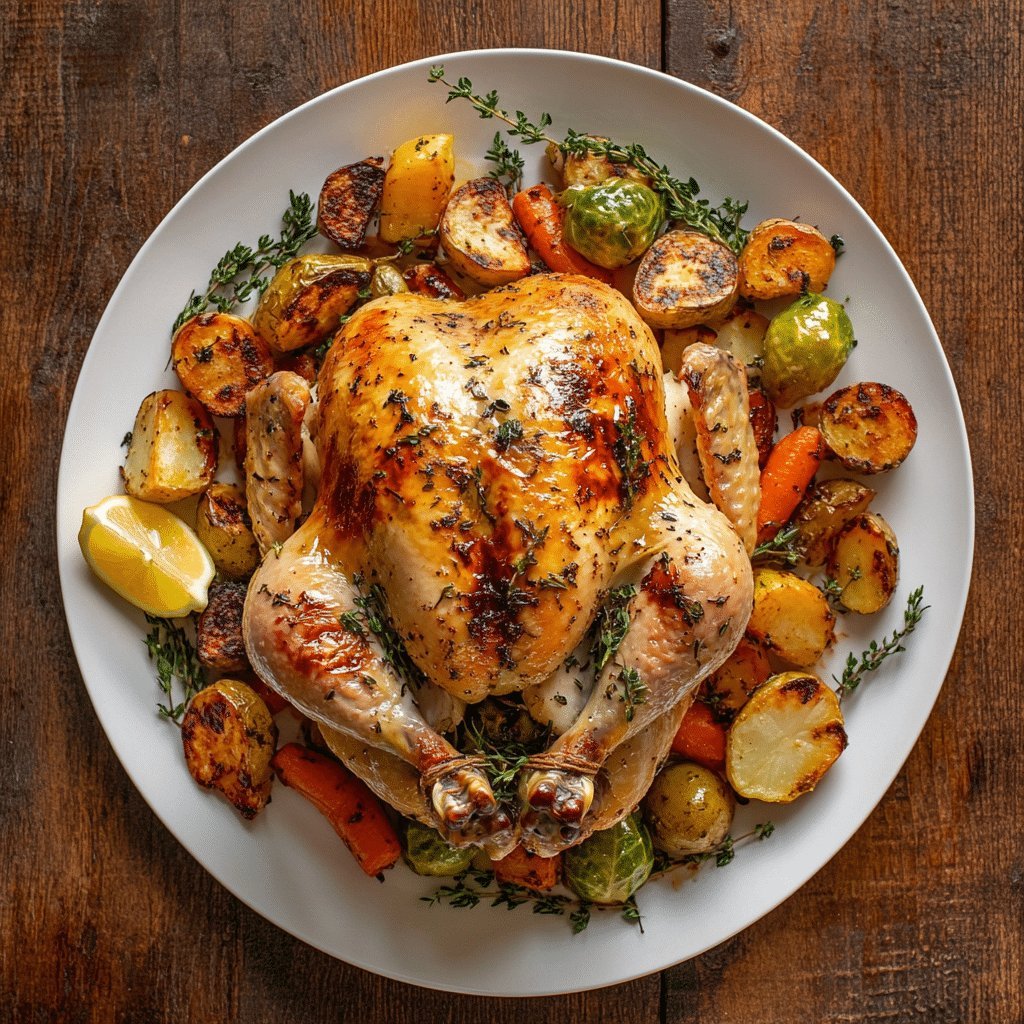
How Long to Roast a Chicken Per Kilo (UK Times and Temperatures)
How Long to Roast a Chicken Per Kilo (UK Times and Temperatures)
Undercooked chicken is dangerous; overcooked chicken is sawdust. Here’s how long to roast a chicken per kilo, plus the temperatures, resting rules and tricks for juicy meat every time.
The core rule
20 minutes per 500g, plus 20 minutes extra — at 200°C (180°C fan / Gas 6).
So:
- 1.5kg chicken: 60 + 20 = 80 minutes
- 1.8kg chicken: 72 + 20 = 92 minutes (~1h 30m)
- 2kg chicken: 80 + 20 = 100 minutes (~1h 40m)
- 2.5kg chicken: 100 + 20 = 120 minutes (2 hours)
These are for an unstuffed chicken. Add 10–15 minutes if stuffed (stuffing insulates the cavity).
The only reliable test: temperature
Times are estimates — ovens lie, chickens vary. The definitive test is internal temperature:
- 75°C at the thickest part of the thigh (not touching bone) = safely cooked (per Food Standards Agency guidance)
- Many cooks pull at 70–72°C and rest — carryover cooking takes it past 75°C
- Juices run clear when the thigh is pierced — the traditional visual check (use alongside temperature, not instead of it)
A meat thermometer (£8–£15) is the best £10 you’ll spend on roast dinners. It ends all arguments and all anxiety.
The method for juicy chicken
- Bring to room temperature — take the chicken out of the fridge 45–60 minutes before roasting. Cold chicken cooks unevenly.
- Pat dry thoroughly — dry skin crisps; wet skin steams.
- Season generously: salt, pepper, olive oil or softened butter under and over the skin. Lemon, garlic and thyme in the cavity.
- Start breast-down for the first 30 minutes (the breast bastes in the juices), then flip breast-up for the remainder for crisp skin. (Optional but effective.)
- Don’t baste obsessively — every oven opening drops the temperature. Once halfway is plenty.
- Rest 20–30 minutes tented loosely in foil — non-negotiable. Resting redistributes juices; carving immediately loses them onto the board. The chicken stays plenty hot.
Common mistakes
- Not resting: the #1 cause of dry chicken. Rest it.
- Roasting from fridge-cold: burnt outside, raw near the bone.
- Trusting the pop-up timer: those plastic poppers are unreliable — use a thermometer.
- Washing raw chicken: don’t — it sprays bacteria around the kitchen (FSA advice). Pat dry instead.
- Stuffing the cavity tightly: blocks heat circulation; cook stuffing separately for safety and better texture.
What about the giblets?
Check the cavity — if there’s a bag of giblets, remove it before roasting (people forget more often than you’d think). Use them for gravy: simmer with onion, carrot and stock while the chicken roasts, then strain into your gravy. Free flavour.
Leftovers: the second meal
A roast chicken should give you two meals: Sunday roast, then Monday’s chicken pie, curry or sandwiches. Strip the carcass, refrigerate within 2 hours, use within 2 days. The carcass makes superb stock — cover with water, simmer 3–4 hours with veg scraps. Liquid gold for soups.
The bottom line
20 minutes per 500g plus 20 minutes, at 200°C, rest 20–30 minutes, verify 75°C with a thermometer. That’s the whole system. Buy the best chicken you can afford (free-range really does taste better), don’t skip the rest, and make stock from the carcass. For the full Sunday spread, add crispy roast potatoes and Yorkshire puddings.
Brining and butterflying: the advanced moves
Two techniques that take roast chicken from good to exceptional. Dry brining (the easier win): salt the chicken generously 24 hours ahead (1 tsp per 500g, all over and inside), refrigerate uncovered. The salt penetrates deeply (seasoning throughout, not just the surface), and the uncovered rest dries the skin (crisper result). It also denatures proteins slightly, helping them retain moisture — juicier meat, measurably. This single step improves roast chicken more than any other.
Spatchcocking/butterflying (the faster win): cut out the backbone with poultry shears, flatten the bird. Benefits: cooks 25–30% faster (a 2kg bird in ~70 minutes), cooks evenly (no raw-near-bone/dry-breast compromise — the flattened shape heats uniformly), crisper skin all over (more surface exposed). The trade-off: less impressive presentation, no cavity for stuffing. For weeknights: spatchcock. For Sunday: traditional whole bird, dry-brined. Both benefit from the thermometer — no exceptions.
Roast chicken FAQs
Should I wash raw chicken? No — the FSA is explicit: washing sprays bacteria (campylobacter) up to a metre around the sink. Pat dry with kitchen paper instead — dry skin crisps better anyway. Clean the sink area after handling raw chicken, and wash hands thoroughly.
Breast up or breast down? Start breast-down (30 minutes — the breast bastes in the rendering fat and juices), finish breast-up (for crisp skin). Or spatchcock and skip the question entirely. Breast-up the whole time works fine too — the difference is marginal, and flipping a hot chicken is where accidents happen. Don’t stress about it — the thermometer and the rest matter 10x more.
How do I get crispy skin? Dry skin (pat dry, or dry-brine uncovered overnight), fat on the skin (oil or butter — fat crisps, water steams), high heat (200°C+, or finish with 10 minutes at 220°C), don’t baste the skin in the last 20 minutes (basting wets it), don’t tent with foil until resting (foil steams the skin you just crisped). Salt helps — it draws moisture from the skin surface.
Can I stuff the cavity? Yes, but: stuffing insulates the cavity (add 15–20 minutes cooking time), must reach 75°C internally (check with the thermometer — undercooked stuffing is a food poisoning risk), and never stuff tightly (heat must circulate). Better: cook stuffing separately in a dish (crisper top, safer, better texture) and put lemon, garlic and herbs in the cavity for flavour without the risks.
How do I carve a chicken? Rest first (20–30 minutes — the juices redistribute; carving early loses them). Legs: pull away and cut through the joint. Breast: slice along the breastbone, then across in even slices (not shredded — slices look better and stay juicier). Wings: cut at the joint. Save the carcass for stock — simmer with veg scraps 3–4 hours. A sharp carving knife (£20–£30) makes this pleasurable; a blunt one makes it a wrestling match.