
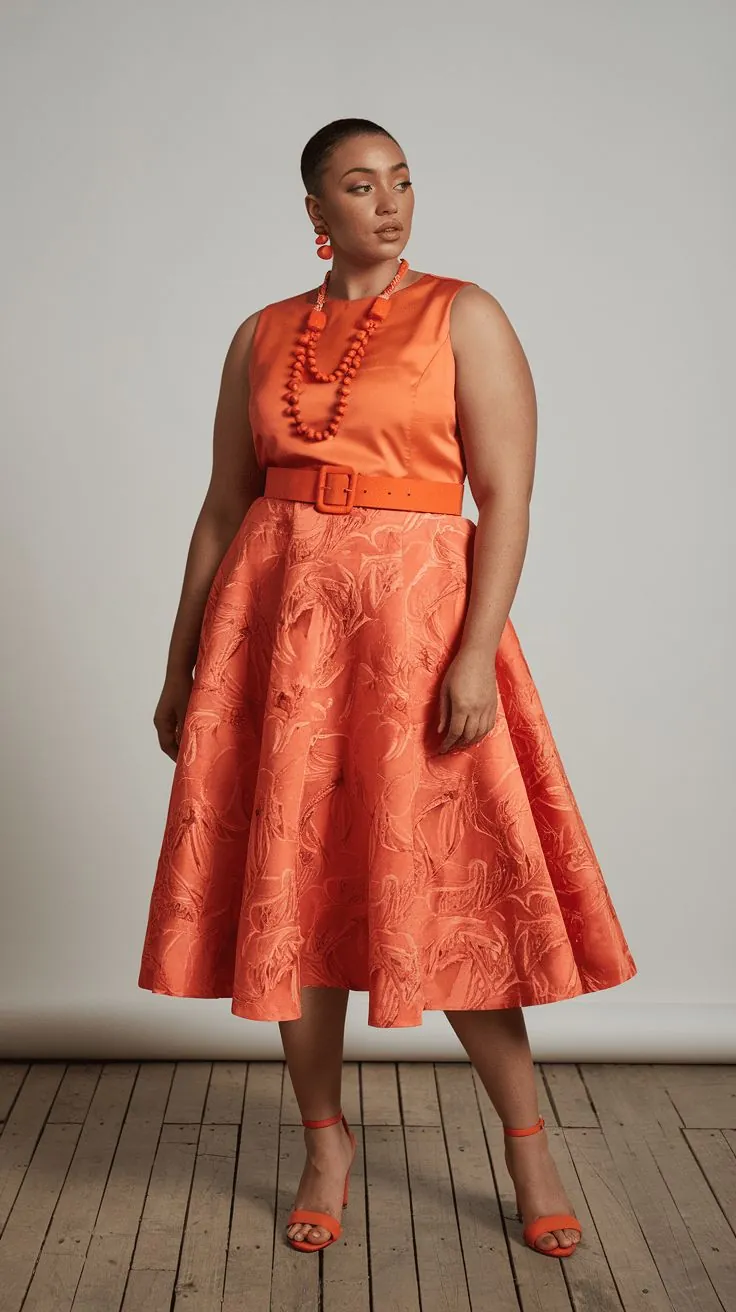
How Much Does a Wedding Guest Outfit Cost on Average?
How Much Does a Wedding Guest Outfit Cost on Average?
Wedding guest outfits are a peculiar economic event: a whole outfit assembled for a single day, photographed extensively, often never worn again. The average UK wedding guest spends £150–£300 on their outfit (dress/suit, shoes, accessories), with many spending far more. I’ve been the guest who spent £400 and the guest who spent £60 — and honestly, the £60 outfit photographed better because it fit well and suited me. Wondering “how much does a wedding guest outfit cost on average”? You’re not alone — and the real answer is more straightforward than most guides make it sound.
Here’s the real cost breakdown, what drives spending up, and how to look like you spent £300 for £100 or less. Because the best-dressed guest is rarely the one who spent most.
The average cost breakdown
Dress/outfit: £50–£150 is the typical spend (high-street occasion dresses at M&S, & Other Stories, Hobbs, Monsoon). Shoes: £30–£80 (often the neglected line item — and the most important for comfort). Accessories (bag, jewellery, hat/fascinator): £20–£60. Hair and makeup (if professional): £50–£120 — the hidden budget-killer. Total typical range: £150–£300 all-in, or £100–£180 without professional hair/makeup.
Men’s equivalent: suit (often already owned), shirt £25–£40, tie/pocket square £15–£30, shoes (often owned), grooming £10–£30. The male guest total is usually £50–£150 if the suit exists, £200–£400 if buying new (see wedding suit costs).
What inflates costs: buying specifically “for the wedding” rather than from your wardrobe’s logic (single-use purchases are the most expensive per wear), last-minute panic buying (no time for sales or second-hand), fascinator/hat one-upmanship, and professional hair/makeup for every wedding (lovely, but £80+ a time adds up across a wedding-heavy summer).
- Typical total: £150–£300 (women), £50–£150 (men, suit owned)
- Biggest hidden cost: professional hair and makeup (£50–£120)
- Biggest waste: single-use “wedding only” purchases
- Best value: rewearing with different styling
Looking like £300 for £100
The £100 formula: dress from Vinted or charity shop (£20–£35 — occasion dresses in excellent condition are abundant), shoes you own (or £25–£40 new, broken in beforehand), accessories borrowed or already owned, hair and makeup DIY (YouTube tutorials + practice run). Total: £60–£100, and with good fit and styling, indistinguishable from £300 in photos.
The rewear strategy multiplies value: buy one excellent dress (£80–£120) and wear it to multiple weddings styled differently — different accessories, hair, shoes, and a wrap change the look completely (see wearing the same dress to two weddings). Three weddings in one £100 dress = £33 per wedding. That’s the maths that matters.
Rental is the modern answer to single-use: HURR and By Rotation rent designer occasion dresses (£40–£80 for a £300+ dress) — you wear Self Portrait or Rixo for the price of a high-street dress, with dry cleaning included. For the wedding-heavy (three+ weddings a summer), rental beats buying on cost, variety, and wardrobe space.
What the dress code really asks
“Wedding guest” isn’t one dress code — check the invitation: “lounge suit” (men: suit and tie; women: cocktail dress or equivalent), “cocktail attire” (shorter dresses fine, still smart), “formal/black tie” (long dresses, tuxedos — the expensive one), “smart casual” (the ambiguous one — midi dress and blazer territory), “festival” or themed (have fun, but stay comfortable).
Universal rules: don’t wear white/cream/ivory (the only absolute rule), don’t upstage the couple (avoid bridal-like gowns, don’t dress more formally than the stated code), dress for the venue (stilettos on grass, cathedrals in winter, beach ceremonies all need practical thought), and consider the photos (you’ll be in group shots — iron everything, check in daylight).
Cultural and religious weddings may have specific expectations — covered shoulders, head coverings, particular colours to wear or avoid (red at some South Asian weddings is bridal; white at some East Asian funerals — when in doubt, ask someone in the wedding party). A quick question beats an awkward day.
The comfort factor (learn from others’ pain)
The two miseries of wedding guests: feet and temperature. Shoes: break them in for at least a week (see breaking in heels), bring fold-up flats for dancing (£10–£15, the best wedding investment), and choose block heels for outdoor venues. Plasters in your clutch — non-negotiable.
Temperature: churches are cold, marquees are unpredictable, and dancing is hot. Layers (wrap, pashmina, blazer) that work with the outfit, not against it. And the practical kit: fashion tape, safety pin, painkillers, phone charger, cash for the bar/collection. The comfortable guest enjoys the wedding; the uncomfortable guest watches the clock. Spend the shoe and layer budget before the fascinator budget — your feet and shoulders will thank you at midnight.
The wedding guest timeline: when to sort your outfit
Six weeks out: check the dress code, venue, and weather norms; decide whether you’re buying, renting, or rewearing. This is the moment for second-hand hunting and rental booking — the good pieces go early. Four weeks out: outfit acquired or ordered; shoes purchased for breaking in (start wearing them at home immediately).
Two weeks out: full dress rehearsal — outfit, shoes, accessories, underwear — worn for an evening. Check in daylight and in photos (phone camera reveals what mirrors hide). Arrange alterations if needed; book hair/makeup if using professionals. One week out: break in shoes daily, confirm accessories, pack the emergency kit (fashion tape, plasters, painkillers, fold-up flats).
The day before: steam or iron everything, lay it out complete, check the forecast for outerwear, charge your phone. Morning of: get dressed early enough to fix problems calmly. This timeline eliminates the panic-buying that inflates costs — last-minute purchases are always the most expensive and least satisfactory. The organised guest spends less and looks better; the timeline is the whole trick.
Group weddings: when the costs multiply
One wedding is manageable; four in a summer is a financial event. The multi-wedding strategy: invest in one excellent, versatile dress (£80–£120) and rotate it with different styling — accessories, hair, and shoes transform it completely (our two-weddings-one-dress guide covers the technique). Add rental for variety: two rented dresses plus one owned covers four weddings for around £200 total.
Share the load: coordinate with friends — borrow accessories, split hair/makeup appointments, car-share to venues. And be honest about budgets with close friends getting married in clusters; nobody wants their celebration to strain your finances. The couples who matter will understand a reworn dress far better than they’d want you stressed about money at their wedding.
How Much Does a Wedding Guest Outfit Cost on Average: The Short Answer
The UK average is £150–£300, but £60–£100 done well (second-hand dress, owned shoes, DIY hair and makeup) photographs just as well — rewear strategically and consider rental. Related reading: MoneySavingExpert wedding cost guides.
One thought on “How Much Does a Wedding Guest Outfit Cost on Average?”