
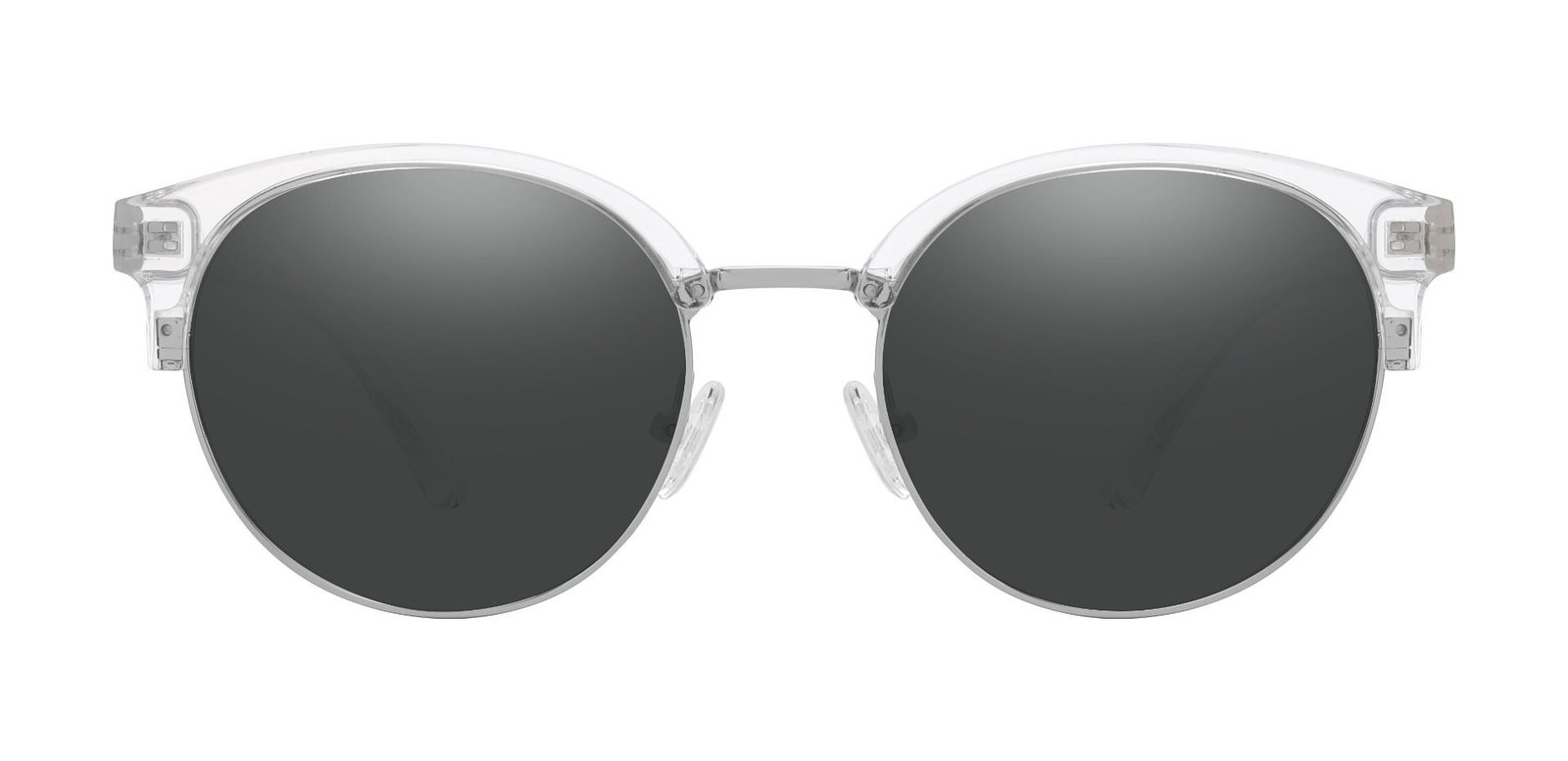
Where Can I Get Affordable Prescription Sunglasses in the UK?
Where Can I Get Affordable Prescription Sunglasses in the UK?
Prescription sunglasses used to mean paying high-street prices (£150–£300+) or squinting through summer. The online glasses revolution changed that: quality prescription sunglasses now start around £30–£50, and the gap to high-street quality is smaller than opticians admit. I’ve bought prescription sunglasses from high-street, online, and everywhere between — here’s where the value is. If “where can I get affordable prescription sunglasses in the uk” is the question you’ve been asking, here’s the straight answer — practical, honest, and based on what actually works.
This guide covers the cheapest reliable options, what to check before ordering, and when the high street is actually worth it.
The online options: £30–£80
Glasses Direct (£39–£79): the UK online leader — huge range, prescription sunglasses from £39 including basic sun lenses, free home trial on optical (not sunglasses, unfortunately). Quality is solid for the price; the varifocal and high-prescription options cost more but remain far below high-street. SelectSpecs (£29–£69): the budget champion — prescription sunglasses from £29, decent quality, enormous range. The designs skew safe, but at these prices, safe is fine.
Mango/online fashion retailers: some (ASOS, H&M) don’t do prescription; dedicated optical sites do. Feel Good Contacts (£45–£89): better known for contact lenses but their glasses arm is competitive, with good customer service. Firmoo and Zenni (international, ship to UK): rock-bottom prices (£20–£40) — quality is variable but often surprisingly good; worth trying for a spare pair, less so for your primary sunglasses.
What to provide: your prescription (including PD — pupillary distance; if your optician won’t give it, measure it yourself with an app or ruler — many online retailers guide you), and your lens requirements (single vision is cheap; bifocal/varifocal and high prescriptions add £30–£80). Lens extras: polarised (£20–£40 extra — worth it for driving and water), photochromic (transitions — convenient but slower than dedicated sunglasses), and thinner lenses for strong prescriptions.
- SelectSpecs: from £29 — the budget champion
- Glasses Direct: £39–£79 — biggest UK range
- Feel Good Contacts: £45–£89 — good service
- Zenni/Firmoo: £20–£40 — spare-pair territory
- Add polarised (£20–£40) for driving; check PD before ordering
The high street: when it’s worth £150+
Specsavers (£99–£199 for prescription sunglasses): the 2-for-1 offers often include sunglasses as the second pair — effectively £50–£100 each, which is competitive. Boots Opticians and Vision Express (£120–£250): designer frames, professional fitting, proper aftercare. The high-street advantages: try-on in person (fit matters enormously for sunglasses — slip down the nose and they’re unwearable), professional measurements, adjustments anytime, and accountability if something’s wrong.
When high street wins: strong or complex prescriptions (varifocals, high astigmatism — the fitting precision matters), unusual face shapes (in-person adjustment is invaluable), and if you need them fast (same-day or next-day in many stores vs 1–2 weeks online). The designer frame question: high-street designer sunglasses (£150–£300) are about the frame brand — the lenses are the same as cheaper options. If the brand matters to you, fine; if not, the £50 online pair has equivalent optics.
The hybrid approach many people use: eye test + prescription from the high street (proper measurements, health check), then order sunglasses online with those numbers. You get the professional foundation and the online price. Just ensure you have your PD — it’s the number opticians sometimes omit.
What to check before buying (anywhere)
UV protection: non-negotiable — look for UV400 or 100% UV protection marking. Price doesn’t determine UV protection (the £30 pair protects as well as the £300 pair if properly marked); darkness doesn’t either — dark lenses without UV protection are worse than nothing (they dilate your pupils, letting in more UV). This is the single most important check.
Lens quality: prescription accuracy matters more than frame price — a £30 pair with the right prescription beats a £200 pair with the wrong one. Polarised vs non: polarised cuts glare off water, roads, and snow — superb for driving, essential for fishing/watersports, slightly odd for phone screens (rainbow effects on some displays). Tint: grey (neutral, true colours), brown/amber (contrast, good for variable light), green (balanced) — grey is the safe default.
Fit: the most underrated factor. Sunglasses should sit without slipping, not touch your cheeks, and the arms shouldn’t pinch. Online, use virtual try-on and check frame measurements against glasses you own (the numbers inside the arm: lens width-bridge-temple length). For face-shape guidance, see choosing sunglasses for your face shape.
Prescription inserts and alternatives
Clip-ons (£10–£25): magnetic or clip-on sun lenses over your regular glasses — unglamorous, practical, cheap. Fine as a backup, rarely anyone’s first choice aesthetically. Fitovers (Cocoons-style, £30–£60): sunglasses designed to wear over prescription glasses — excellent for strong prescriptions or post-surgery, popular with older wearers, zero vanity.
Photochromic (Transitions) everyday glasses (£50–£100 extra on lenses): one pair for indoors and out — convenient, but they don’t darken fully behind windscreens (UV-blocked car glass), and some people dislike the constant tint. Contact lenses + non-prescription sunglasses (£15–£40 for the sunglasses): the combination many lens-wearers prefer — any sunglasses you like, full choice, no prescription premium. If you wear contacts even occasionally, this is the most flexible summer setup.
The verdict: most people are best served by one good pair of prescription sunglasses (£40–£80 online, or high-street 2-for-1) for daily summer use, plus cheap non-prescription backups for the beach bag. For the eye health behind the purchase, see how often to get eye tests.
Children’s prescription sunglasses: what parents need
Children’s eyes need UV protection as much as adults’ — arguably more, since young eyes transmit more UV to the retina and kids spend more time outdoors. The challenge: they’ll lose, sit on, and scratch them. The strategy: affordable and replaceable. Online retailers (SelectSpecs, Glasses Direct) do children’s prescription sunglasses from £25–£40 — buy two pairs, because one will vanish.
Fit specifics for kids: wraparound or larger styles (more coverage, stay on better), flexible hinges or bendable frames (survive the school bag), a strap for sports and windy days (£3–£5 — the difference between worn and lost), and impact-resistant lenses (polycarbonate — standard in most children’s lenses, tougher than regular plastic).
Under-16s get free NHS eye tests (see eye test guide) and help with glasses costs via NHS optical vouchers — ask your optician; many parents don’t realise vouchers cover children’s sunglasses too. Make it a habit early: the child who grows up wearing sunglasses becomes the adult who protects their eyes without thinking. And model it — kids copy what they see, not what they’re told.
Where Can I Get Affordable Prescription Sunglasses in the UK: The Short Answer
SelectSpecs (£29+) or Glasses Direct (£39+) for value — verify UV400 protection and get your PD first — or use a high-street 2-for-1 deal when the prescription is complex. Related reading: Glasses Direct.