
UK Minimum Wage 2026: Rates by Age Explained
UK Minimum Wage 2026: Rates by Age Explained
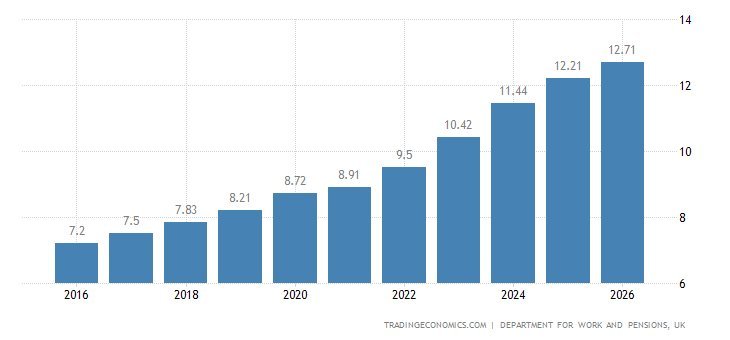
What is the minimum wage for employees in the UK in 2026? The National Living Wage (21+) is £12.21 an hour from April 2025, with lower bands for younger workers — and 2026 rates are set by the government each autumn. Underpaying, even accidentally, brings HMRC fines and public naming, so get the bands right.
If you’ve been putting this off, you’re not alone. Most of us stick with what we’ve got far longer than we should, mainly because working out the alternatives feels like hard work. It isn’t, once someone lays it out plainly. That’s what this guide does — no jargon, no sales pitch, just the facts as they stand in 2026. If that’s on your mind too, have a look at our guide to how do I get reviews for my new business on google — it pairs naturally with everything below.
What is the minimum wage for employees in the UK in 2026? Current rates
From 1 April 2025: National Living Wage (21 and over) £12.21/hour; 18-20 year olds £10.00/hour; 16-17 year olds £7.55/hour; apprentices £7.55/hour. The government typically announces new rates each autumn for the following April — check GOV.UK for the confirmed 2026 figures, as they’re usually uprated with inflation.
These are legal minimums, not recommendations: the voluntary Real Living Wage (set by the Living Wage Foundation) is higher — £12.60/hour UK-wide, £13.85 in London — and 15,000+ employers pay it voluntarily. Advertising Real Living Wage accreditation genuinely helps recruitment in tight labour markets.
Right — with the basics covered, let’s get into the detail that actually affects your wallet. Worth a read alongside this: our guide to how do I hire my first employee as a small business owner.
Employer duties beyond the hourly rate
The key points, stripped of fluff:
- Applies to almost everyone: full-time, part-time, casual, agency workers and apprentices — employment status, not contract label, decides.
- Accommodation offset: if you provide housing, only £69.93/week (2025 figure) can count toward the wage — the rest must be cash.
- Pay reference periods: average the pay over the pay period; a single low week can breach even if the month looks fine.
- Record-keeping: you must keep sufficient records to prove compliance — HMRC can investigate back 6 years.
- Deadlines: new rates apply from 1 April — payroll must update immediately, not ‘when convenient’.
It’s worth pausing here to think about what you actually need versus what sounds nice on paper. Providers love selling you headroom you’ll never use.
Common accidental breaches
Most underpayment isn’t malicious — it’s administrative: unpaid overtime dragging the effective rate below minimum, deductions for uniforms or till shortages, requiring staff to arrive 15 minutes unpaid early, or salary-sacrifice schemes dipping pay below the floor. HMRC’s enforcement doesn’t distinguish intent — the penalty is the same.
The apprentice rate is the most abused: it only applies in the first year of the apprenticeship (or while under 19); after that, the age-appropriate rate applies. I’ve seen well-meaning small employers underpay apprentices for years through sheer ignorance. Diary the transition dates when you hire apprentices.
Penalties for getting it wrong
HMRC can fine up to 200% of the underpayment (capped at £20,000 per worker), force repayment of arrears to staff, and — the part that really stings — publicly name and shame offenders on the government’s list. Over 500 employers are named most rounds, including household names; the reputational damage dwarfs the fine.
Workers can also claim through employment tribunals. If you’re unsure about any aspect — irregular hours, piece work, unpaid training time — get advice before HMRC comes asking. The Low Pay Commission’s guidance and ACAS helpline (0300 123 1100) are free, and an hour of prevention beats a naming-and-shaming round.
Quick answers
Is the cheapest UK minimum wage option ever the right choice?
Sometimes — but rarely for the reasons people think. The cheapest UK minimum wage option works fine when your needs are simple and the product is basically a commodity. It falls apart when reliability, support or longevity matter. Ask yourself one question: what’s the cost if this goes wrong? If the answer is ‘a bad afternoon’, go cheap and cheerful. If it’s ‘hundreds of pounds or weeks of hassle’, pay the middle price and sleep well.
What’s the biggest mistake people make with UK minimum wage?
Rushing in without comparing options. Most people grab the first UK minimum wage deal they see — usually an advert or a mate’s recommendation — and never check whether it actually fits their situation. Spend an hour comparing two or three alternatives, read the small print on the cheapest one, and you’ll dodge the regret that lands three months later when the bills arrive or the limitations start to bite.
Can I handle UK minimum wage myself, or do I need professional help?
It depends on complexity and stakes. Straightforward UK minimum wage tasks are well within DIY territory with a decent guide — most people manage fine and save a packet. But when money, legal compliance or safety are involved, professional help pays for itself quickly. My rule of thumb: DIY when the worst case is a wasted afternoon; call in a pro when the worst case is wasted money or a legal headache.
Pro tip: when you’re comparing UK minimum wage options, ignore the headline claims and read the worst-case reviews instead. How a company handles problems tells you far more than any advert — and it’s the problems you’ll remember, not the smooth months.
What I’d actually do
£12.21/hour for 21+ (April 2025 rates; check GOV.UK for confirmed 2026 figures), with lower youth and apprentice bands. Watch for accidental breaches via unpaid overtime and deductions — HMRC fines up to 200% plus public naming, regardless of intent.
Nobody else is going to sort this for you, and honestly it doesn’t take long once you know what you’re looking at. Pick the option that fits, set a reminder to review it in a year, and get on with your life. One last tip from me: set a calendar reminder to revisit this in twelve months. Loyalty rarely gets rewarded in the UK market, and the best deal is almost always the one you renegotiate. For the official word, see GOV.UK: National Minimum Wage rates. ACAS: minimum wage guidance is also worth a look for independent comparisons. And if you’re still weighing things up, our guide to how much does it cost to run facebook ads for a small business covers the next question most people ask.
One thought on “UK Minimum Wage 2026: Rates by Age Explained”