
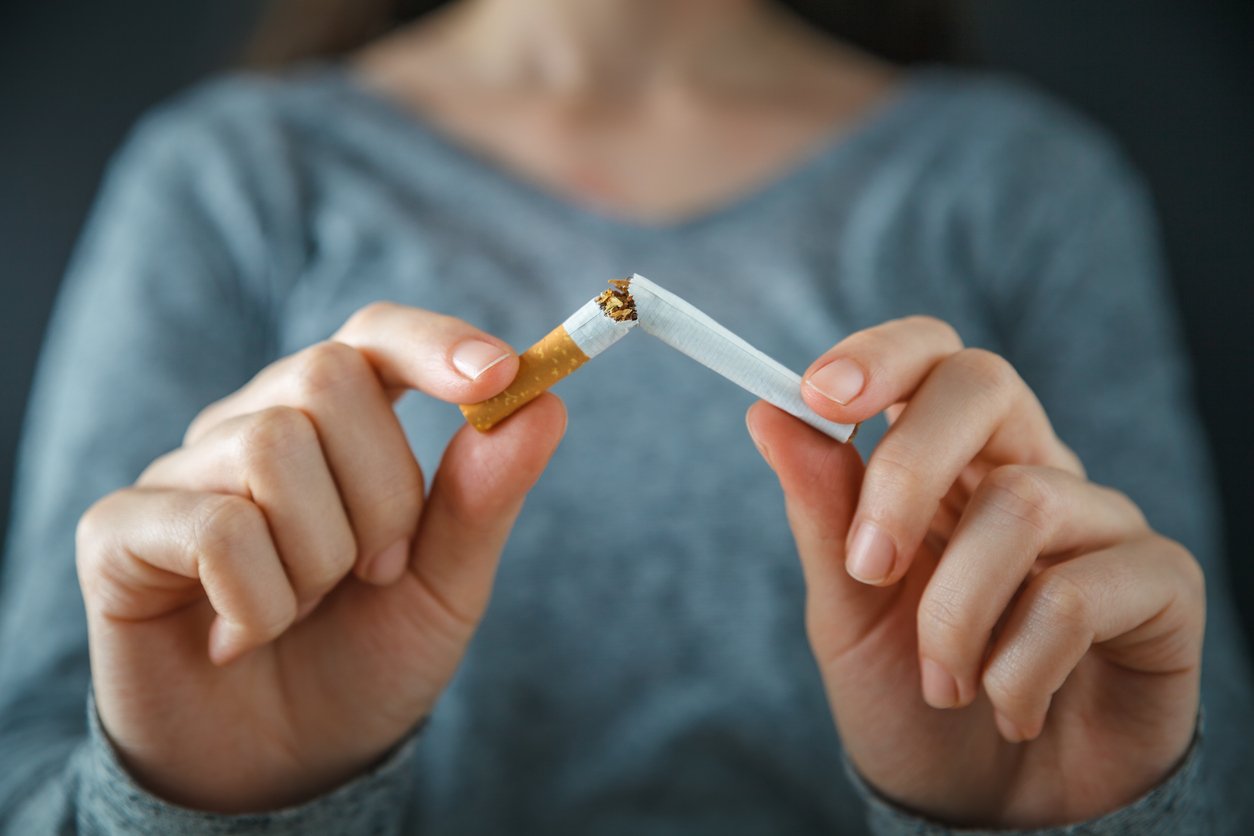
What Help Is Available on the NHS to Quit Smoking?
What Help Is Available on the NHS to Quit Smoking?
Smoking remains the single biggest preventable cause of death in the UK — around 64,000 deaths a year in England alone. But here’s the encouraging statistic: you’re three times more likely to quit successfully with NHS support than going it alone. I watched my uncle try to quit solo for a decade; he finally stopped within two months of using his local stop-smoking service. The support made the difference, not willpower. If “what help is available on the nhs to quit smoking” is the question you’ve been asking, here’s the straight answer — practical, honest, and based on what actually works.
The NHS offers a genuinely comprehensive quit-smoking package, all free: behavioural support, prescription medications, nicotine replacement, apps, and helplines. Most smokers have no idea how much is available. Here’s every option, how to access it, and what the evidence says works best.
NHS Stop Smoking Services: the core offer
Every local authority in England has a Stop Smoking Service (names vary — “Quit,” “SmokeFree,” “Wellbeing Service”). You can self-refer — no GP appointment needed — via your council website, the NHS website, or by calling. What you get: an initial assessment with a trained stop-smoking adviser, a personalised quit plan, regular support sessions (in person, by phone, or video) for around 12 weeks, and access to stop-smoking medications.
The behavioural support is the underrated half. Your adviser helps you identify triggers, plan for cravings, manage slip-ups without abandoning the quit, and deal with the psychological side — the coffee-and-cigarette ritual, the stress smoke, the social smoking. Sessions are non-judgmental and practical; advisers have heard everything. The data is clear: combination support (behavioural + medication) roughly triples success rates versus willpower alone.
To find yours: search “NHS stop smoking” plus your area, or call the NHS Smoking Helpline on 0300 123 1044 (England). Pharmacies also offer stop-smoking support — many run the full programme including NRT provision, which is convenient if you’d rather not travel to a clinic.
Free medications: NRT, varenicline, and cytisine
Nicotine replacement therapy is available free through stop-smoking services (and on prescription via your GP). The key insight most people miss: combination NRT — a daily patch for background cravings plus gum, lozenge, or spray for breakthrough cravings — works significantly better than a single product. Using “enough” NRT matters; under-dosing is the commonest reason it “doesn’t work.” Your adviser will calibrate the dose to your smoking level.
Varenicline (Champix) was the most effective stop-smoking pill for years, then was withdrawn globally in 2021 over impurity concerns. The good news: it has returned to the UK market, and prescribing has resumed — ask your stop-smoking service or GP about current availability. It works by partially blocking nicotine receptors, reducing both cravings and the satisfaction if you do smoke. Cytisine (a plant-derived similar drug, newly licensed in the UK) is another option with good evidence and fewer side effects for some.
All stop-smoking medications are free on the NHS when provided through the service or on prescription — including the prescription charge exemption that applies. Don’t let cost stop you asking; and don’t buy NRT at full retail price (£20–£40 a month) when the service provides it free with expert dosing advice attached.
- Combination NRT (patch + gum/lozenge/spray): best-evidenced, widely available
- Varenicline: highly effective, now returning to UK prescribing — ask about availability
- Cytisine: newer option, good evidence, plant-derived
- All free via stop-smoking services or GP prescription
Digital support: apps, text, and online programmes
The free NHS Quit Smoking app (iOS and Android) provides a structured 28-day programme with daily check-ins, craving tools, savings calculator, and motivational messages. Twenty-eight days matters: research shows that smokers who make it four weeks smoke-free are five times more likely to quit for good. The app is designed around that milestone.
Smokefree text support sends regular encouragement and tips. The NHS Better Health website has a Personal Quit Plan quiz that generates tailored advice in minutes. For vaping as a quit aid specifically, the NHS position is clear: vaping is substantially less harmful than smoking and stop-smoking services can support a switch-then-quit-vaping plan.
Online communities add the peer element: the NHS forum, Reddit’s r/stopsmoking, and various Facebook groups provide 24/7 solidarity from people at the same stage. The 3am craving is much easier with someone awake to talk you through it. Just be wary of anyone selling “miracle” cures — the evidence-based tools are all free on the NHS anyway.
What actually works best (the evidence ranking)
If I had to rank by effectiveness: combination NRT or varenicline plus behavioural support (best — roughly triples success); single NRT plus support; support alone; NRT alone; willpower alone (worst — around 5 percent succeed). The pattern is obvious: medication plus human support beats everything. Yet most quit attempts still use willpower alone, which is why most fail.
Set a quit date 1–2 weeks out — not “someday.” Tell people; social commitment helps. Remove all tobacco, lighters, and ashtrays the night before (environment design beats willpower). Plan your top triggers with specific alternatives. And reframe slip-ups: one cigarette doesn’t erase progress unless you let it. The data shows most successful quitters needed several attempts — each attempt teaches you something. The only failed quit is the one you don’t learn from.
Special situations: pregnant smokers get priority support through specialist midwife services — quitting in pregnancy has huge benefits at any stage, and it’s never too late. People with mental health conditions smoke at much higher rates and deserve tailored support; mention it to your adviser. And if you’ve tried the service before without success, go back — different medication, different timing, different adviser can all change the outcome. For the vaping side of quitting, see how to quit vaping safely.
Quitting when you’ve tried before (and “failed”)
Most successful quitters needed multiple attempts — the average is often quoted as 8 to 11 tries, though the exact number is debated. Reframe each attempt as data collection: what triggered the relapse? Morning coffee? The pub? Stress? Each answer sharpens the next plan. There’s no moral failing in needing several goes; nicotine dependence is a recognised medical condition, not a character flaw.
Change something each time rather than repeating the identical attempt. If willpower alone failed, add combination NRT. If NRT alone failed, add behavioural support. If you relapsed at the pub, plan that scenario specifically — or avoid it for the first month. And time your attempt kindly: don’t quit the week of a house move. Setbacks are part of the process for most people; the people who eventually succeed are simply the ones who kept trying.
What Help Is Available on the NHS to Quit Smoking: The Short Answer
Find your local Stop Smoking Service online and self-refer — with combination NRT or varenicline plus behavioural support, you’re three times more likely to quit than with willpower alone. Related reading: quitting vaping safely.