
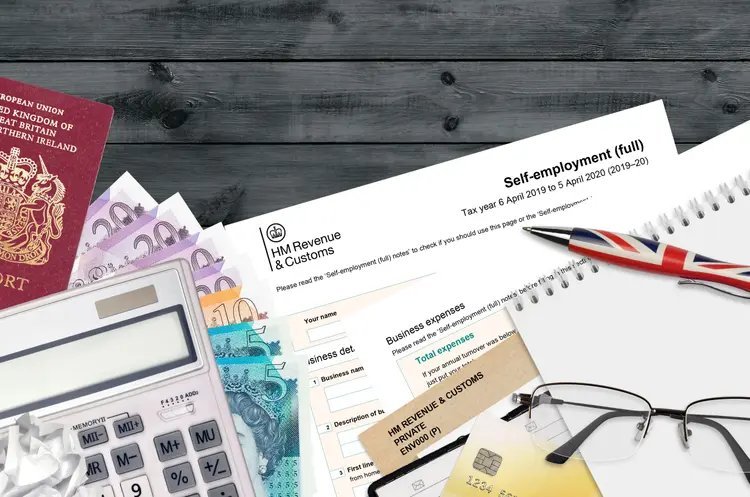
Self-Employed Expenses UK: What You Can Claim (2026)
Self-Employed Expenses UK: What You Can Claim (2026)
What expenses can I claim as a self-employed person in the UK? More than most freelancers realise — and every unclaimed pound is tax paid unnecessarily. HMRC’s rule is simple: if it’s ‘wholly and exclusively’ for your business, it’s claimable. Here’s the full list, including the ones people miss.
I’ve spent enough time comparing self-employed expenses across the UK to know the headline figures rarely tell the full story. Prices shift between providers, the small print hides the real cost, and what works brilliantly for a mate in Manchester might be a poor fit for a flat in London. So let’s cut through the noise and look at what actually matters. If that’s on your mind too, have a look at our guide to how much tax does a freelancer pay in the uk — it pairs naturally with everything below.
What expenses can I claim as a self-employed person in the UK? The full list
Here’s the short version, so you can scan it fast:
- Office costs: rent, utilities, stationery, printing, postage — the obvious ones everyone claims.
- Home office: £6/week flat rate (no receipts needed) or a proportion of actual household bills — the flat rate is simpler, actual costs often bigger.
- Equipment: laptops, phones, cameras, tools — claimable via capital allowances, usually 100% in year one.
- Travel: mileage at 45p/mile (first 10,000 miles), trains, flights, hotels for business trips. Commuting to a regular workplace doesn’t count.
- Phone and internet: the business proportion — 70% business use means 70% of the bill.
- Professional costs: accountant fees, insurance, professional subscriptions, training courses.
- Marketing: website, ads, business cards, networking event costs.
- Software: subscriptions, apps, cloud services — all claimable.
Right — with the basics covered, let’s get into the detail that actually affects your wallet. Worth a read alongside this: our guide to how do I write a simple business plan for a small uk business.
The ones everyone misses
Bank charges on your business account, eye tests and glasses if you use screens for work (yes, really — if prescribed for screen use), protective clothing and uniforms, and the often-forgotten pension contributions (these reduce taxable profit directly). Subscriptions to trade magazines, professional bodies and even relevant books count.
My favourite overlooked claim: working from home’s actual-costs method. The £6/week flat rate is £312/year; but if your home office is 15% of your home and bills total £3,000, that’s £450 — and it scales with energy prices. Do the sums once a year; take whichever is bigger.
If there’s one mistake I see repeated, it’s rushing this decision on a lunch break and regretting it for eighteen months. Take the extra ten minutes — this section repays it.
The grey areas: be careful here
The key points, stripped of fluff:
- Clothing: everyday clothes aren’t claimable, even if worn for work. Uniforms and protective gear are.
- Food: normal meals aren’t claimable; food on overnight business trips or ‘occasional’ working meals can be.
- Entertaining clients: NOT claimable — HMRC disallows it entirely, a classic trap.
- Dual-purpose items: a laptop used 80% for business = 80% claimable. Be honest and consistent.
- Fines and penalties: never claimable — parking tickets are your problem.
- Cash payments: claimable if genuine, but keep receipts — cash without records is an HMRC red flag.
Record-keeping that survives HMRC
Walk through these in order and you’ll be sorted:
- Keep every receipt — photograph paper ones immediately; thermal receipts fade within months.
- Use accounting software or a simple spreadsheet; update it monthly, not in January.
- Keep business and personal spending separate — a dedicated account makes this automatic.
- Retain records for 6 years from the end of the tax year (HMRC can investigate that far back).
- If HMRC asks questions, answer promptly and honestly — most enquiries end quickly with good records.
Quick answers
Can I handle self-employed expenses myself, or do I need professional help?
It depends on complexity and stakes. Straightforward self-employed expenses tasks are well within DIY territory with a decent guide — most people manage fine and save a packet. But when money, legal compliance or safety are involved, professional help pays for itself quickly. My rule of thumb: DIY when the worst case is a wasted afternoon; call in a pro when the worst case is wasted money or a legal headache.
How long does sorting out self-employed expenses usually take?
Less time than you’re probably imagining. The research takes an evening, the decision takes a day of mulling over, and the actual doing is usually under two hours. What stretches it into weeks is dithering — half-decided, tab-hoarding limbo. Pick a deadline, gather the facts from this guide, make the call, and move on. Done beats perfect here, every single time.
What’s the biggest mistake people make with self-employed expenses?
Rushing in without comparing options. Most people grab the first self-employed expenses deal they see — usually an advert or a mate’s recommendation — and never check whether it actually fits their situation. Spend an hour comparing two or three alternatives, read the small print on the cheapest one, and you’ll dodge the regret that lands three months later when the bills arrive or the limitations start to bite.
Pro tip: whatever you decide about self-employed expenses, set a calendar reminder to review it in a year’s time. Prices, products and your own needs all shift — the people who get the best value long-term are the ones who revisit decisions, not the ones who choose perfectly on day one.
The bottom line
If it’s wholly and exclusively for business, claim it — from mileage to software to the business share of your phone bill. The flat-rate home office is easy, actual costs often bigger, and good records are what make every claim defensible.
Nobody else is going to sort this for you, and honestly it doesn’t take long once you know what you’re looking at. Pick the option that fits, set a reminder to review it in a year, and get on with your life. And do me a favour — once you’ve decided, tell a friend. Half the country is overpaying for self-employed expenses simply because nobody talks about it. For the official word, see GOV.UK: allowable business expenses. HMRC: simplified expenses is also worth a look for independent comparisons. And if you’re still weighing things up, our guide to how do I register as self-employed with hmrc covers the next question most people ask.