
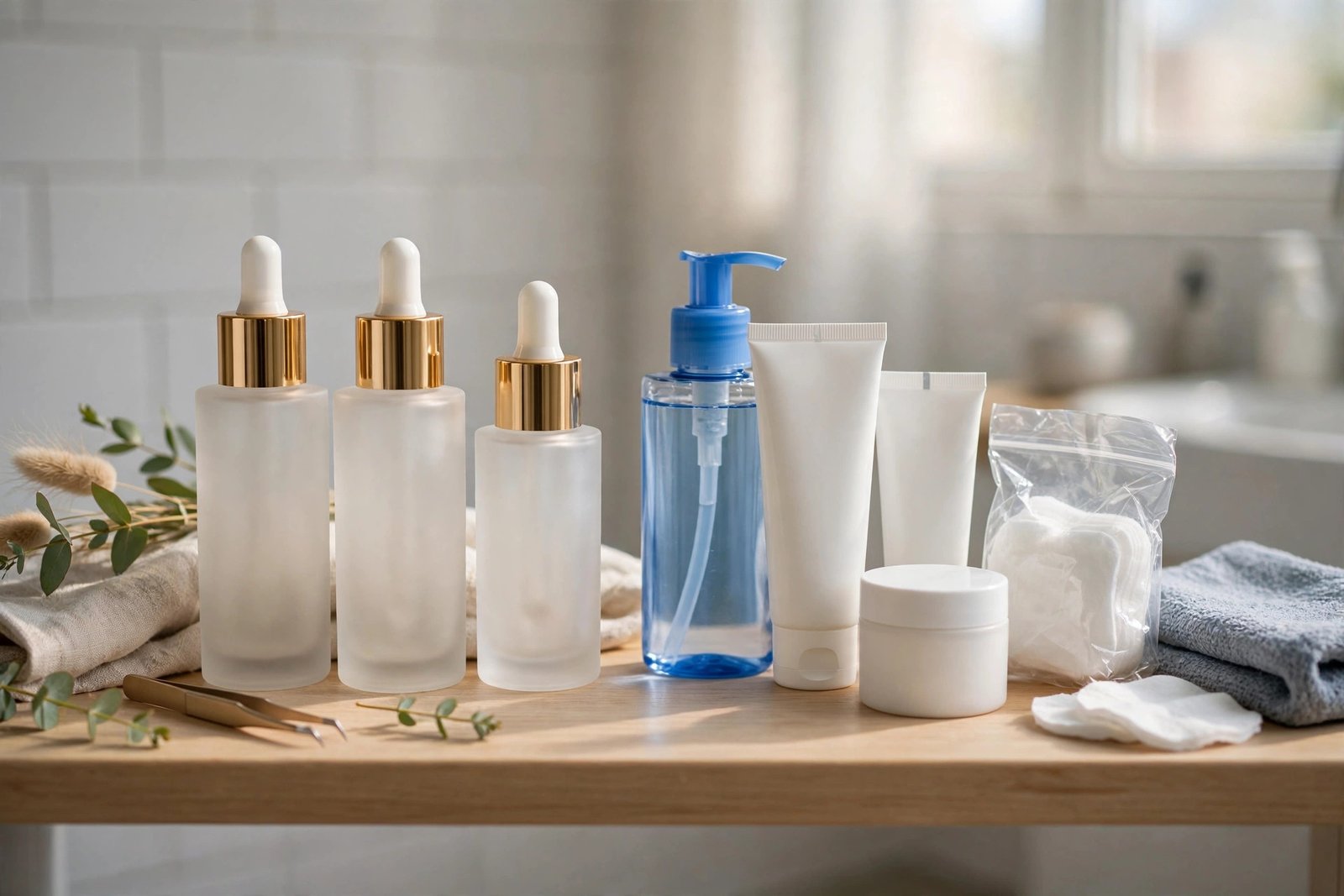
Is Luxury Skincare Worth It Over Boots Own-Brand? An Honest Test
Stand in the skincare aisle of any Boots and you face a peculiarly modern dilemma: on one shelf, a £68 serum in a frosted-glass bottle with a French name; on the next, Boots’ own-brand Vitamin C serum for £12. Both promise brighter, firmer, younger-looking skin. Both list suspiciously similar active ingredients. So is luxury skincare genuinely worth the premium, or are you paying £56 for a nicer box?
Having dug through dermatologist opinions, independent testing, and ingredient science, the answer is more nuanced than either camp admits: sometimes the luxury product wins, often it ties, and occasionally the cheap one is objectively better. Here is how to tell which is which.
What you are actually paying for
Strip away the marketing and a skincare product is four things: active ingredients (the things that do something), the base formula (the cream, gel, or serum carrying them), packaging, and brand costs (advertising, retail margins, fancy bottles). The active ingredients are usually the cheapest component. A well-known industry estimate puts the actual contents of a £60 moisturiser at £2–£5 — the rest is packaging, marketing, and margin.
This is why ingredient lists are more informative than price tags. A £12 Boots serum with 10% niacinamide and a £55 luxury serum with 10% niacinamide are delivering the same active at the same concentration. The differences lie in the base: how elegant it feels, how well it layers under makeup, whether it pills, how it smells. Those differences are real and matter to daily use — a serum you hate using is a serum that sits in a drawer — but they are cosmetic differences, not efficacy differences.
Where luxury can genuinely win
There are legitimate reasons luxury products sometimes perform better. Formulation expertise matters: stabilising L-ascorbic acid (pure vitamin C) so it does not oxidise into useless orange liquid within weeks is genuinely difficult, and experienced labs do it better. Delivery systems — encapsulation that carries retinoids deeper, or time-release mechanisms that reduce irritation — are areas where R&D budgets show. Sunscreen is another: luxury sunscreens often achieve elegant, non-greasy, non-white-cast finishes at high protection levels that budget formulas struggle to match, and the best sunscreen is the one you will actually wear daily.
Consistency of manufacturing is a quieter advantage. Large luxury houses typically have tighter quality control than white-label budget brands, meaning the product in the bottle matches the label claim batch after batch. Independent testing by Which? has occasionally found budget products underperforming their claims — though it has equally found £10 moisturisers beating £70 rivals in blind hydration tests.
Where Boots own-brand wins outright
For simple, single-active products, the high street is extremely hard to beat. The Ordinary (available in Boots) essentially built a revolution on this insight: a 10% niacinamide serum for under £10 with the active front and centre. Boots’ own No7 and Vitamin C ranges, Superdrug’s Naturally Radiant and B. lines, and CeraVe all offer dermatologist-respectable formulations at a fraction of luxury prices.
Budget brands also win on the boring essentials. Cleansers are on your face for 60 seconds — paying £40 for something you immediately rinse off is, as dermatologists delight in pointing out, poor value. Basic moisturisers with ceramides, glycerin, and hyaluronic acid perform the core job of moisturising as well at £10 as at £80; multiple blind tests confirm participants cannot reliably distinguish them. And for products where the active is commoditised — niacinamide, hyaluronic acid, glycerin — there is simply no scientific reason a luxury version works better.
The value parallel extends beyond beauty: the same “pay for the active, not the aura” logic applies when weighing whether gold or silver jewellery is better value long-term or deciding what to pay for a quality handbag that lasts — in each case, separating material value from brand premium is the skill.
The save-versus-splurge framework
Dermatologists and beauty chemists broadly converge on a practical framework. Save on: cleansers (rinsed off in a minute), basic moisturisers, single-active serums with commoditised ingredients (niacinamide, hyaluronic acid), and anything where you have found a budget formula you enjoy using. Consider splurging on: vitamin C serums (stability matters), retinoids (formulation affects both efficacy and irritation), and sunscreen (elegant high-protection formulas you will actually wear daily are worth paying for).
Splurge only if: you have tried the budget version and disliked the texture, it pilled under makeup, or the smell put you off — because a product you will not use has zero efficacy regardless of its formula. And never splurge on the basis of “luxury ingredients” like gold flakes, caviar extract, or rare flower essences: these are marketing ingredients with no meaningful evidence, included to justify the price rather than improve the product.
How to compare like a chemist
Read the INCI (ingredient) list: ingredients are listed in descending order of concentration. Compare the first five ingredients and the named actives with their percentages. If the £12 and £68 products share the same key actives at similar positions, you are choosing between textures, not results. Be wary of “contains hyaluronic acid” claims where it appears near the end of the list — that is fairy-dusting, not formulation. Boots’ website helpfully lists full ingredients for its own-brand products, making comparison straightforward.
The bottom line
Is luxury skincare worth it over Boots own-brand? For most products, no — the active ingredients that determine results are cheap, and high-street formulas deliver them faithfully. The exceptions are products where formulation genuinely affects performance: stabilised vitamin C, well-encapsulated retinoids, and elegant sunscreens you will wear every day. Buy the cheapest product you will actually use consistently, splurge selectively where chemistry justifies it, and pocket the difference. Your skin cannot read price tags.
The psychology of luxury: why expensive feels better
There’s a genuine neurological effect behind luxury skincare’s appeal: studies show that higher prices measurably increase perceived efficacy — the same cream in fancier packaging with a bigger price tag literally feels like it works better, thanks to expectation effects in the brain. This isn’t stupidity; it’s how human perception works. The ritual pleasure of a beautiful jar, a gorgeous texture, a beloved scent — these are real sources of wellbeing, even when the dermatological outcome is identical.
The honest position is therefore nuanced: if a £70 moisturiser brings you daily joy and you’ll use it religiously while the £10 equivalent sits unused, the expensive one is “worth it” for you — not because of chemistry, but because of compliance. Just make the purchase with clear eyes: you’re buying pleasure and ritual, not superior science. There’s nothing wrong with that, provided the budget allows and you don’t mistake the pleasure for proof. The most expensive skincare mistake isn’t buying luxury — it’s buying luxury while believing the marketing instead of enjoying the ritual.
Frequently Asked Questions
Are expensive moisturisers better than cheap ones?
For basic moisturising, no — blind tests repeatedly show participants cannot distinguish £10 from £80 moisturisers on hydration performance. Pay for texture and elegance you enjoy, not for promised efficacy differences that do not exist.
Why do some luxury serums work better than cheap ones?
Mainly formulation quality: stabilising tricky actives like pure vitamin C, effective delivery systems, and manufacturing consistency. For simple, stable actives like niacinamide, these advantages rarely justify large price gaps.
Is The Ordinary as good as luxury brands?
For single-active products, generally yes — The Ordinary’s model is high concentrations of proven actives with minimal spending on packaging and marketing. The trade-off is less elegant textures and less hand-holding on how to use products.
What skincare is worth splurging on?
Dermatologists most often name sunscreen (an elegant formula you will wear daily), vitamin C serums (where stability affects efficacy), and retinoids (where formulation affects irritation and results). Save on cleansers and basic moisturisers.
Do I need to avoid fragrance in skincare?
Fragrance adds nothing functionally and is a common irritant, especially for sensitive skin — one reason many dermatologists prefer fragrance-free high-street formulas over heavily fragranced luxury ones. If your skin tolerates it, it is a personal preference, not a safety issue.